| Brand Archetype | Core Role | Best For | Main Risk |
|---|---|---|---|
| Hero | Wins, proves, achieves | Performance, results, competition | Comes off arrogant or harsh |
| Caregiver | Protects, supports, nurtures | Health, education, services | Feels soft or slow to act |
| Rebel (Outlaw) | Breaks rules, challenges norms | New categories, challenger brands | Looks reckless or shallow |
| Creator | Makes, designs, imagines | Creative tools, software, craft | Seems scattered or self indulgent |
| Sage | Teaches, explains, clarifies | B2B, education, consulting | Feels cold or distant |
| Lover | Connects, inspires desire | Luxury, lifestyle, beauty | Becomes shallow or unrealistic |
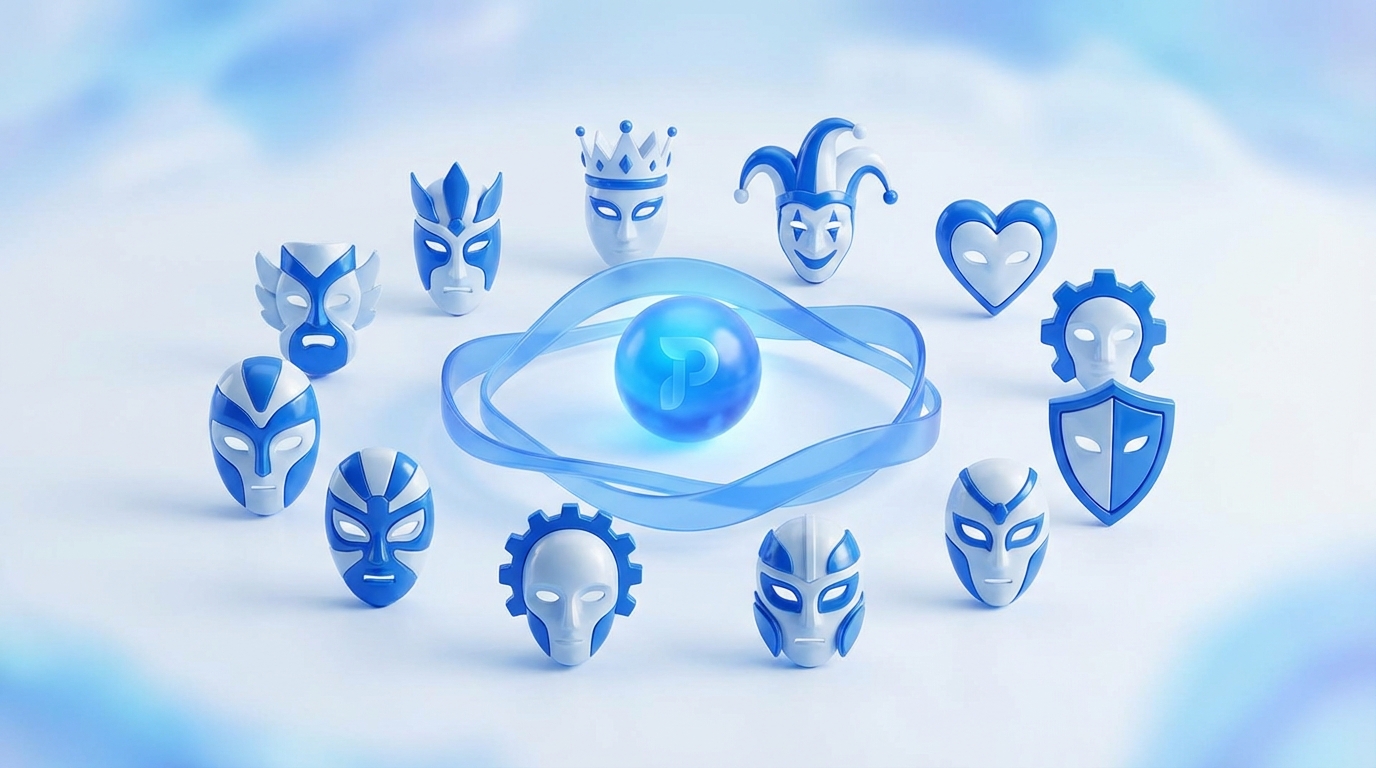
Most brands feel flat because they do not act like a person. No clear voice. No clear role. No clear point of view. Archetypes fix that. They give your business a personality your audience can feel, not just understand. If you want people to care, refer you, and pay more, you need more than a logo and a color palette. You need a character your buyers can recognize in seconds, and remember months later.
What a brand archetype actually is (without the jargon)
An archetype is a simple character pattern people already know from stories.
Hero. Rebel. Sage. Caregiver. You see these in movies, myths, and novels.
Brand archetypes borrow those same patterns and tie them to your business.
So your brand stops being “a company that sells X” and starts being “the guide that helps people master X” or “the rebel that breaks boring rules around X.”
A brand archetype is the role your business plays in your customer’s story.
Think of it like this:
Your customer is the main character.
Their goal is the thing they want.
Your product is a tool.
Your brand archetype is how you show up to help them use that tool.
You are not picking a costume. You are picking a role in their life.
Why your business needs a personality at all
You can have a solid product and still lose to a weaker one because the other brand “feels right” to the buyer.
That “feels right” thing is rarely rational. It is story.
People ask themselves questions like:
– “Is this brand for people like me?”
– “Do I get what they stand for?”
– “Do I trust how they see the world?”
They do not ask it out loud. It sits in the background. Archetypes help you answer those questions fast.
If you do not choose your personality, your audience will guess one for you.
That guess might be wrong. And once it sticks, it is hard to shift.
A clear archetype gives you:
– A consistent way to speak
– A filter for content and campaigns
– A reason to be remembered
It also gives you boundaries. You know what you say “no” to.
You are not trying to be inspirational, hilarious, edgy, safe, wise, and nurturing all at once. That mix confuses people. Confused people do not buy.
How archetypes plug into business growth
This is not just a “branding exercise.” Personality hits core business levers.
1. Pricing power and perceived value
People do not compare prices in a vacuum. They compare stories.
A brand that acts like a Hero can charge more because it sells proof, performance, and bragging rights.
A brand that acts like a Caregiver can charge more because it sells protection and peace of mind.
Two products. Similar features. Very different perceived value.
Example:
– Generic analytics tool: “We help you track metrics.”
– Sage archetype analytics tool: “We explain what your data means and what to do next.”
Same function, but the Sage feels like a partner in thinking. That story supports higher prices and longer contracts.
2. Faster trust in crowded markets
In most niches, your buyer has:
– Too many options
– Too little time
– Too little information
They make fast, emotional calls. A clear archetype gives them a shortcut.
Rebel: “We are the ones breaking the old rules of your industry.”
Hero: “We are the ones obsessed with helping you win.”
Sage: “We are the ones who have seen every pattern and can warn you early.”
These roles are easy to spot in one email, one homepage, or one video.
3. Stronger team focus and internal culture
Your team can only express a brand they understand.
When the archetype is clear, people know:
– How to write messages
– How to handle support
– How to show up in sales calls
A Creator brand hires people who care about craft and originality.
A Caregiver brand hires people who naturally support and listen.
Without that lens, you hire random skills and get random behavior.
4. Content decisions become simpler
Content is where your brand personality lives day to day.
Archetypes help you decide:
– Story angles
– Tone
– Depth
– What to skip
For example:
– Sage content: deep explanations, clear logic, long form, research
– Rebel content: sharp takes, pattern breaks, strong opinions
– Lover content: sensory detail, lifestyle, mood, aesthetics
You do not have to be everywhere. You just have to be consistent where you are.
The 12 classic brand archetypes (and what they mean in business)
There are many models, but the 12 archetypes from Jungian psychology are the most used.
You do not need to be a psychologist. Think of these as shortcuts.
1. The Hero
Core drive: Achievement, courage, showing what is possible.
Promise: “We help you win.”
Brands in this space talk about performance, targets, and proof.
Tone: strong, confident, active.
Works well for:
– Fitness and sports
– Productivity tools
– Sales and marketing services
– B2B where results are easy to measure
Risk: You sound harsh, arrogant, or insensitive to struggle.
If you pick Hero, be ready to show real proof, not hype.
2. The Caregiver
Core drive: Protect, support, nurture.
Promise: “We take care of you.”
Tone: warm, patient, reassuring.
Works well for:
– Health care
– Education
– Coaching and therapy
– Customer support led products
– Services where trust and safety matter
Risk: You seem passive or slow. You overgive and burn out profit.
If you pick Caregiver, you need clear boundaries as well as care.
3. The Rebel (Outlaw)
Core drive: Break rules, reject what is broken.
Promise: “We are not like the old way. We fight it.”
Tone: bold, provocative, direct.
Works well for:
– Startups taking on big incumbents
– Products that change an old process
– Brands targeting frustrated buyers
Risk: You come across as noise or shock for shock’s sake.
Rebel needs substance. You must show what you stand for, not just what you stand against.
4. The Creator
Core drive: Build, design, express.
Promise: “We help you make something new.”
Tone: imaginative, thoughtful, open.
Works well for:
– Design tools
– Content and creative agencies
– Software for builders and makers
– Education around skills and craft
Risk: You sound vague or get lost in ideas without outcomes.
Creators need some Hero or Sage traits in the mix so buyers see value, not just vision.
5. The Sage
Core drive: Knowledge, insight, clarity.
Promise: “We help you understand and decide.”
Tone: calm, rational, direct, sometimes dry.
Works well for:
– B2B software
– Analytics and research
– Training and education
– Financial services
Risk: You seem distant or uncaring. You hide behind information and never show emotion.
If you pick Sage, you still need empathy. Facts alone do not move people.
6. The Lover
Core drive: Connection, desire, intimacy.
Promise: “We make life richer and more enjoyable.”
Tone: warm, sensory, inviting.
Works well for:
– Luxury goods
– Beauty and fashion
– Travel and hospitality
– Lifestyle brands
Risk: You sound shallow or unrealistic. You overpromise feelings the product cannot match.
Lover brands work best when they tie desire to something real and specific.
7. The Everyman (or Everyperson)
Core drive: Belonging, equality, simplicity.
Promise: “We are like you. We get your world.”
Tone: friendly, clear, down to earth.
Works well for:
– Mass market products
– Community led services
– Tools for small businesses
– Brands fighting “elite” competitors
Risk: You fade into the background. You feel average.
If you pick Everyman, your power is clarity and trust, not flash. You still need a sharp point of view.
8. The Ruler
Core drive: Control, order, stability.
Promise: “We keep things under control.”
Tone: authoritative, structured, confident.
Works well for:
– Financial systems
– Enterprise tools
– B2B categories where risk is high
– Compliance, security, legal
Risk: You come off rigid or cold. You scare smaller buyers.
Ruler brands win when they pair authority with clear benefits and simple language.
9. The Jester
Core drive: Joy, play, fun.
Promise: “We make things lighter.”
Tone: humorous, casual, fast.
Works well for:
– Consumer apps
– Entertainment
– Products that remove boredom or stress
Risk: You are not taken seriously. Your jokes miss and hurt trust.
Jester brands work best when the category feels heavy or boring. Humor then becomes a relief.
10. The Explorer
Core drive: Freedom, discovery, new paths.
Promise: “We help you explore what else is possible.”
Tone: curious, open, sometimes adventurous.
Works well for:
– Travel and outdoor
– Learning and personal growth
– Products that open new options
Risk: You seem scattered or never satisfied. Buyers want some stability too.
Explorer brands need clear anchor points so people know what they still can count on.
11. The Innocent
Core drive: Safety, purity, goodness.
Promise: “We keep things simple and honest.”
Tone: light, positive, clear.
Works well for:
– Natural products
– Kids and family
– Wellness and food
– Finance for first time users
Risk: You look naive or ignore real risk.
Innocent works when you acknowledge reality and still choose simple paths.
12. The Magician
Core drive: Change, possibility, transformation.
Promise: “We help you create change that feels almost magical.”
Tone: inspiring, visionary, sometimes mysterious.
Works well for:
– Coaching and consulting
– Tools that create big visible change
– Products that connect complex systems
Risk: You sound like hype. Expectations outrun reality.
Magician brands need clear proof and grounded timelines.
Matching your business to an archetype
You can not just pick the one that sounds nice. It has to connect to:
– What you sell
– Who you sell to
– How you like to work
Here is a simple way to find a fit.
Step 1: Map your customer’s real story
Forget your product for a moment.
Ask:
– What are they trying to do or become?
– What frustrates them about the current options?
– What scares them if this goes wrong?
– What kind of help do they wish existed?
Write this out like a short story.
Example:
“They are a marketing manager in a mid size company. Their boss wants more leads. They have tried tools that promise a lot, but support is weak. They feel alone. They want a partner who guides them, not just a dashboard.”
From that story you might see:
– They need emotional support (Caregiver)
– They need clear guidance (Sage)
– They feel small vs big targets (Hero)
Already you are closer than “we are a SaaS company.”
Step 2: Ask what role you naturally play with clients
Look at your best customers. Think about real calls, not taglines.
Do you:
– Push them to aim higher and take bold steps? That is Hero.
– Listen deeply, calm them, and take care of basics? That is Caregiver.
– Challenge their beliefs and say the blunt thing? That is Rebel.
– Show patterns, teach, and clarify? That is Sage.
– Help them make or design things? That is Creator.
– Turn heavy topics into lighter, more fun ones? That is Jester.
You might see a mix. Most brands have a primary archetype and a supporting one.
Choose one main archetype. Support it with one secondary. More than that will blur your signal.
Step 3: Test your choice against your product and market
Ask three simple checks.
1. Does this archetype feel honest when you read your existing emails and pages out loud?
2. Would your favorite customers nod if you described your role with this archetype word?
3. Can you see 20 content ideas that would flow from this archetype?
If you answer no to any of these, you might be forcing it.
For example:
– A high risk financial product that wants to be Jester will have a trust problem.
– A deep technical analytics tool that wants to be Innocent will feel off.
Personality needs to fit the stakes.
Turning your archetype into real brand behavior
Picking a label is easy. Turning it into behavior across your brand is the real work.
Here is where to start.
1. Voice and tone
Write 3 to 5 rules for how your brand talks.
Example for a Hero brand:
– Short, direct sentences
– Clear calls to action
– Strong verbs like “build,” “win,” “ship,” “lead”
– Proof packed messages: numbers, case studies, outcomes
Example for a Caregiver brand:
– People centric language: “you,” “your team,” “your family”
– More supportive phrases: “we are here for,” “let us handle”
– Less jargon, more examples
You can be very practical about this. Copy a few real emails that feel “on brand.” Highlight words and phrases that reflect your archetype.
Turn those patterns into rules for your team.
2. Visual choices
Archetypes also show up in how things look.
Again, you do not need complex theory. Ask how your archetype would dress at work.
Hero: simple, sharp, bold colors, strong contrast, clear structure.
Caregiver: softer colors, more white space, images of people, calm pacing.
Rebel: high contrast, maybe asymmetry, surprising color pairings.
Sage: clean lines, graphs, diagrams, charts.
Lover: rich textures, close ups, detail shots, elegant typography.
Jester: brighter colors, playful shapes, looser layouts.
You do not need to cram every visual cliché into your brand. Take what fits and ignore the rest. The key is consistency.
3. Offers and product design
Personality is not just surface. It should influence what you sell and how.
Some examples:
– Caregiver: generous support, onboarding, and safety nets. Clear refund or guarantee.
– Hero: tiers that reward growth (pro, elite), performance dashboards, public scoreboards.
– Rebel: simple, “no nonsense” plans, no hidden fees, strong stance against industry norms.
– Sage: deep documentation, training, office hours.
– Creator: templates, toolkits, and ways to customize.
Ask: “If this archetype shaped our offer, what would change?”
You might adjust:
– How long contracts run
– How you package features
– What kind of extras you add
4. Content and storytelling
Content is where archetypes breathe.
Here is a quick sketch of content styles:
Hero:
– Case studies with clear wins
– Stories of customers reaching new levels
– Content about strategy, discipline, and performance
Caregiver:
– Guides on avoiding harm
– Stories about support during hard times
– Content that reduces fear and confusion
Rebel:
– Rants about broken industry norms
– Comparisons that call out tired practices
– Stories of underdogs making changes
Sage:
– Deep how to articles
– Explanations of complex topics
– Data breakdowns
Creator:
– Behind the scenes builds
– Tutorials for making better work
– Showcases of customer creations
Lover:
– Stories about lifestyle and meaning
– Visual led pieces
– Content focused on sensory experiences
Use your archetype as a filter: “Would our character say this? Would they say it like this?”
Common mistakes with brand archetypes
There are patterns that hurt brands when they first play with archetypes.
1. Picking what you want to be, not what you are
You might want to be the Rebel because it feels exciting. Or the Magician because it feels powerful.
If your day to day work is calm, data heavy B2B consulting, a loud Rebel voice will feel fake. People will sense the gap.
Archetypes work when they match real behavior.
You can stretch a bit, but not too far.
2. Mixing too many archetypes at once
You see this in brands that are:
– Serious in sales pages
– Playful on social
– Caring in emails
– Arrogant in ads
This happens when different teams make choices without a central lens.
Pick one primary archetype and one support.
For example:
– Hero + Sage: performance with expertise
– Caregiver + Sage: support with clarity
– Rebel + Creator: rule breaking with new builds
– Lover + Explorer: desire with curiosity
Write that pairing down and keep it in front of your team.
3. Treating the archetype as a script, not a guide
If you lock yourself into a narrow reading of an archetype, your brand will feel flat.
Not every Hero has to shout.
Not every Sage has to sound like a professor.
You can be a quiet Hero who supports people to win from behind the scenes. You can be a friendly Sage who uses stories more than stats.
Use the archetype as a compass. Let your real personality shape the details.
4. Forgetting the buyer’s perspective
Some brands obsess over “our archetype” and forget to ask, “does this serve the customer story?”
The question is not “What archetype do we like?”
The better question is:
What kind of character would my ideal customer be relieved to meet right now?
Your brand personality should answer that need.
How archetypes help in life, not just in business
Since your site is about business and life growth, it helps to notice how this pattern shows up beyond brands.
You have personal archetypes you lean on.
At work you might show up as:
– Hero: the one who takes initiative
– Caregiver: the one people go to with problems
– Sage: the one who explains and teaches
– Rebel: the one who questions old rules
In your family or friend circle, you might fill a different role.
Seeing your own archetype patterns helps you:
– Notice what work drains or feeds you
– Choose businesses that fit how you naturally act
– Hire people who balance your pattern
For example, a founder with a strong Rebel archetype often needs a Sage or Ruler in their leadership team to ground decisions.
A Creator founder might need a Hero style operations partner.
This is not about putting people in boxes. It just gives language to patterns that already exist.
Case style examples: how this looks in real brands
These are simplified, but they show how clear archetypes play out.
Example 1: A Hero B2B sales training firm
Audience: sales teams in tech companies.
Archetype choice: Hero primary, Sage secondary.
How it shows:
– Brand story: “We help your reps become top performers in your market.”
– Voice: strong verbs, competitive language, direct challenges like “Stop losing deals you can win.”
– Offer: performance based programs, leaderboards, certification for reps.
– Content: breakdowns of winning sales calls, playbooks, scripts, analyst style market reviews.
Their clients feel like they are entering a training camp for winners, not just a course.
Example 2: A Caregiver bookkeeping service for small business
Audience: solo founders and small teams.
Archetype choice: Caregiver primary, Sage secondary.
How it shows:
– Brand story: “We protect your business by taking the stress of books off your plate.”
– Voice: calm, reassuring: “We keep your numbers clean so you can focus on your work.”
– Offer: clear pricing, no surprise bills, responsive support, “we talk human, not tax code.”
– Content: simple guides on tax basics, checklists, FAQ style posts.
Their buyers feel less shame about messy books and more supported in fixing them.
Example 3: A Rebel + Creator email tool for newsletters
Audience: independent writers who dislike bloated tech.
Archetype choice: Rebel primary, Creator secondary.
How it shows:
– Brand story: “Forget bloated email tools built for big brands. This one is for creators who want to write, not babysit software.”
– Voice: sharp, clear, casual. They call out complexity in legacy tools.
– Offer: a few simple plans, no upsell maze, “what you see is what you pay.”
– Content: rants about overcomplex funnels, guides to simple but strong newsletters, examples of lean setups.
Customers feel like they have a tool and a friend who defends their focus.
Practical exercises to lock in your brand archetype
Here are a few quick exercises you can run with your team or just for yourself.
Exercise 1: The “character in a movie” test
Ask: “If our brand were a character in a movie, who would we be?”
Write a short paragraph:
– How they speak
– How they enter a room
– What they do for other people
– How others describe them
Then ask which archetype that character matches most.
This can surface hidden assumptions.
Exercise 2: The email rewrite
Take a real email or web page.
1. Highlight phrases that feel generic.
2. Rewrite it as if your brand is 20 percent more Hero. Or 20 percent more Caregiver. Or whatever archetype you lean into.
3. Read both versions out loud.
Notice how the tone changes. Pick the one that feels more natural but more focused.
Do this a few times. You will start to hear your archetype voice.
Exercise 3: The “We always / We never” list
Write two lists:
– “As a [your archetype] brand, we always…”
– “As a [your archetype] brand, we never…”
For example, a Sage brand might say:
We always:
– Explain why, not just what.
– Back claims with evidence.
– Admit what we do not know yet.
We never:
– Promise results without context.
– Use fear to push action.
– Hide tradeoffs.
This list becomes a guide for marketing, sales, and support.
When to revisit your archetype
Your core personality stays stable for a long time. Technically, some brands never change it.
Still, life and business change.
You might revisit your archetype when:
– You shift markets or buyer segments
– You launch a new product category
– You feel a growing gap between how you act and how you are seen
Even then, most adjustments are small.
A startup might begin as Rebel + Creator. Later, as it grows and serves bigger clients, it might soften into Rebel + Sage or even Sage + Creator.
The inner story is still there, just expressed in a more mature way.
Bringing this back to your business today
If you want your business to grow and feel more natural to run, giving it a clear personality is one of the most leveraged moves you can make.
Not in a vague “brand strategy” sense. In a practical, daily sense.
Pick your role.
Act like that role on purpose.
Let it shape how you talk, what you sell, and how you show up for people.
You will notice:
– Marketing feels easier to write
– Customers repeat your story back to you
– Your team makes choices that feel more consistent
Brand archetypes are just a simple language for something humans already respond to in every story they hear: recognizable characters with clear roles.
Once your business has one, you stop sounding like “just another option” and start feeling like someone your audience actually wants in their story.