| Topic | Quick Answer |
|---|---|
| Best fence type for security in Cypress | 6 ft wood privacy or 6 ft+ metal / vinyl with lockable gate |
| Typical height for secure yards | 6 ft for most homes, 8 ft in some cases if allowed by code |
| Average lifespan | Wood: 12–20 years, Vinyl: 25+ years, Metal: 30+ years with care |
| DIY vs pro install | DIY is possible, but pro work is safer for security and permits |
| Key cost drivers | Material, height, lot slope, gates, and local permit rules |
| Most common mistake | Not checking setbacks, property lines, and HOA rules first |
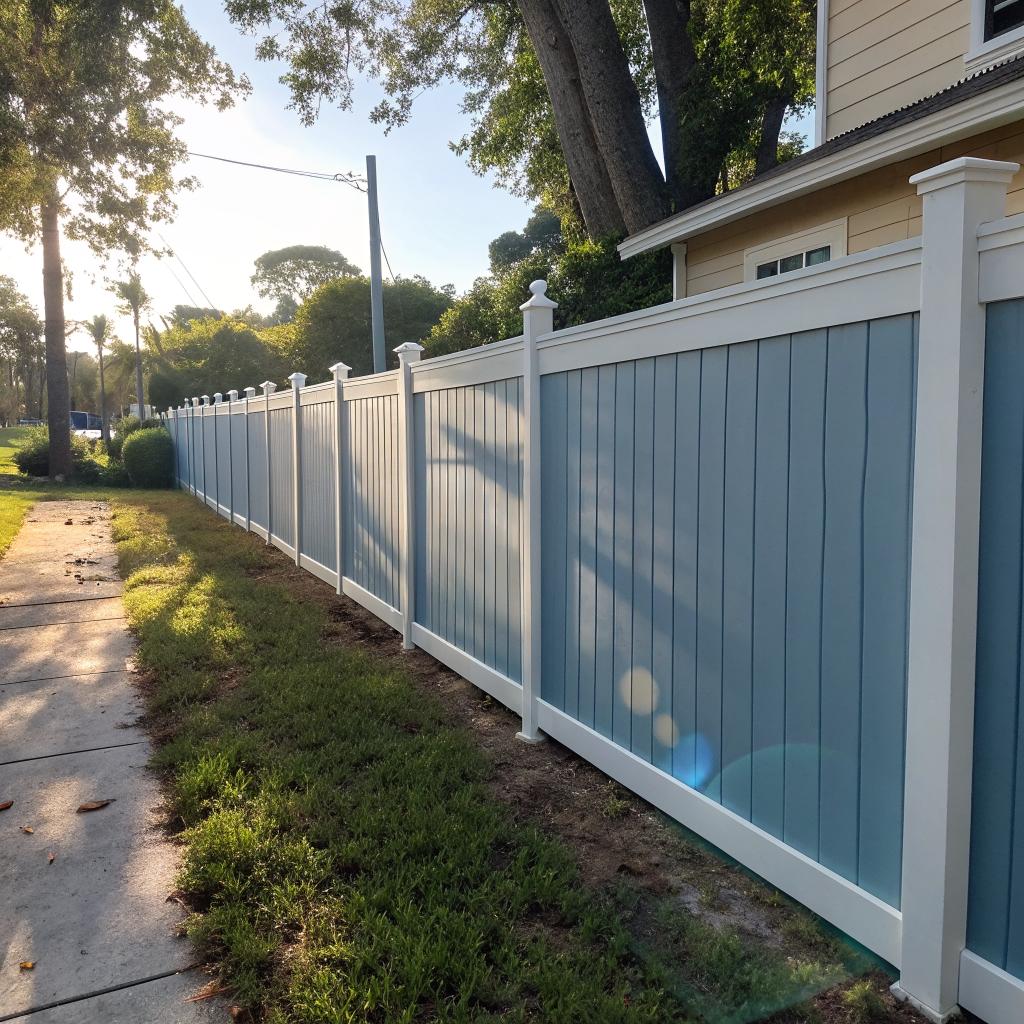
Security in your yard in Cypress starts with something very simple: a solid fence that is tall enough, placed in the right spot, and installed correctly. If you want a short answer, a well built 6 foot privacy fence with strong posts, proper concrete, and a lockable gate is usually the most practical balance of cost, looks, and safety for most homes. Many homeowners in the area end up choosing a pro like https://www.elitecypressfencecompany.com/ for that reason. But the real story is a bit more nuanced, especially if you care about your time, your money, and how your yard supports the rest of your life and business goals.
I think a yard fence is less about wooden boards or metal rails and more about boundaries. Physical ones, of course, but mental ones too. You sleep a little better. You let your kids or pets move freely. You work from home and feel less watched. For a lot of people who are focused on growth in life and business, that quiet sense of control is not a luxury. It is the base you build on.
Why yard security in Cypress actually matters for growth-minded people
Cypress is not a high drama area every day, but it has the same mix of petty crime, package theft, and random traffic that any suburban community near a big city deals with. Add hot summers, sudden storms, and soil that moves more than most people realize, and you get a place where fence decisions are not trivial.
If you are building a business, focusing on your career, or trying to grow financially, your personal energy is one of your main assets. A secure yard supports that in a few simple ways:
A predictable, private space at home gives you more mental focus, which often translates into better work and better decisions.
There is also the very basic financial side. A decent fence can:
– Support property value during resale
– Reduce risk of accidents with pets or children
– Lower the chance of liability issues if someone wanders on your property
None of this is dramatic. It is just steady, boring protection that quietly supports bigger goals.
Understanding your security needs before picking any fence
People often start with the wrong question: “What fence looks best?” The better first question is: “What exactly am I trying to protect, and from whom?”
Common security goals in Cypress yards
You might relate to one or more of these:
- Keeping pets and kids inside the property
- Limiting line of sight into windows and patio areas
- Reducing easy access from busy streets or alleys
- Separating rental or home office space from the rest of the yard
- Discouraging casual trespassers or opportunistic thieves
Each goal points you toward different choices in height, material, and layout.
For example, if your main fear is your dog getting out, then secure bottom gaps, latch type, and post spacing matter more than whether the fence is wood or vinyl. If you are worried about people seeing your home office from the street, then you care more about privacy panels and height.
It sounds obvious, but I see people rush to “nice looking fence” and only later realize it does not solve their core problem.
Fence types in Cypress and how they affect security
Wood privacy fences
Wood is still the default for many Cypress homes. You see it everywhere for good reason.
Pros of wood for secure yards
- Good privacy when boards are tight or overlapping
- Relatively easy to repair a panel at a time
- Flexible styles: board-on-board, horizontal, shadowbox, etc.
- Can be reinforced with metal posts for strength
Cons of wood for secure yards
- Rot, warping, and termite risk in our climate
- Needs stain or paint every few years for longer life
- Boards can shrink and create gaps if not installed well
From a security point of view, the biggest issue with wood is not the boards. It is the posts. If the posts are set shallow, or the concrete work is poor, the whole structure weakens over time. A strong push, a storm, or shifting soil can loosen the line. That is not just ugly. It is a security failure.
Most “weak” fences in Cypress are not old; they are fences that were never installed correctly in the first place.
Metal fences: wrought iron, steel, and aluminum
Metal fences are popular for front yards, pools, and homes that value visibility and style over full privacy.
Pros
- Very long life if coated and maintained
- Hard to break through without tools
- Good for visibility, which some people see as part of security
Cons
- Low privacy unless combined with plants or screens
- Can be climbed if design has horizontal rails as “ladders”
- Higher initial cost than basic wood in many cases
For security, metal works well along the front of a property or around a pool. For back yards, many people mix wood and metal, which I think is a practical approach: metal in front, privacy in back.
Vinyl fences
Vinyl has become more common as people get tired of staining wood.
Pros
- Low maintenance: no paint, no stain
- Good privacy with solid panels
- Resistant to rot, termites, and moisture
Cons
- Can crack under hard impact
- Color fading over very long periods
- Repair can mean replacing larger sections
From a security point of view, vinyl is strong enough for most homes, as long as posts and rails are done correctly. It performs well in rain and sprinkler-heavy yards, which we see a lot.
Chain link fences
Chain link is honest. It is not pretty, but it is direct and practical.
Pros
- Lower cost for large boundaries
- Durable and low maintenance
- Good for pet containment in utility areas
Cons
- Almost no privacy
- Very climbable without modifications
- Some HOAs restrict it in visible areas
For a secure yard you actually live in, chain link works better as a secondary fence, like around a side utility area, dog run, or business storage section, not as the main residential barrier.
How tall should a secure Cypress fence be?
Height is one of the first security decisions, and it often gets tangled with local rules.
Common heights and what they mean
| Fence Height | Typical Use | Security Comment |
|---|---|---|
| 4 ft | Front yards, decorative, pool code in some areas | Stops small kids and pets, not adults |
| 6 ft | Standard backyard privacy in Cypress | Good base level security and privacy |
| 8 ft | Some backyards, near busy roads, commercial areas | Better at blocking views and access, but needs permit |
Before you get set on a height, you have to check:
- City or county fence codes
- HOA guidelines, if you have one
- Any utility easements on your lot
Skipping this is one of the fastest ways to waste money. I met a business owner who installed a tall fence behind a home-based workshop, only to get a notice that part of it was in an easement. He paid to remove and rebuild a good section of fence. That money could have gone straight into his company.
Soil, weather, and why Cypress fences fail early
Our area has expanding clay soil. When it gets wet, it swells. When it dries, it shrinks. Over time, this movement can tilt or crack poorly set posts.
Then you add:
– Strong summer sun
– Occasional heavy storms and wind
– High humidity
All of that puts stress on fence materials and hardware.
Most fence problems in Cypress are rooted in the ground, not in the visible parts of the fence.
Key installation details that matter more than many people expect
Post depth and concrete
A rough rule: go at least one third of the post height into the ground. For a 6 foot fence, that usually means a 2 foot hole at minimum, often more. Posts should sit in concrete that drains properly so water does not collect around the wood or metal base.
If you cut corners here, you might not see the issue for a year or two. Then one storm hits, and a whole line leans.
Post spacing
Common spacing is 6 to 8 feet between posts. For a more secure fence in a windy spot or with heavier materials, closer spacing supports strength and reduces sagging. It costs more in the short term, but saves a lot later.
Fasteners and hardware
In humid, sometimes salty air, low quality screws or nails can rust, snap, or stain the wood. Galvanized or coated hardware matters more than people think. Gates especially need good hinges and latches. If a gate sags, that is often the weak entry point for intruders and accidents.
Designing your yard for both privacy and visibility
Security does not always mean “block everything.” In some cases, too much privacy makes it easier for someone to hide while trying to get in.
You want a balance:
– Privacy where you relax, work, or sleep
– Some visibility near entrances and driveways
– Clear lines of sight from key windows toward gates
If you run a business from home, this balance gets more interesting. You might want a separate fenced section for deliveries or client visits, so they do not walk past your family area.
Using layout to support daily life
Think about:
- Where you and your family spend most outdoor time
- Where you store valuable items, tools, or business equipment
- Where kids or pets move during the day
Then map the fence line, gates, and any extra features around those patterns.
One small example: some homeowners add a side gate directly from the driveway into a storage yard for business equipment or hobby gear. That way, movers or contractors can enter without crossing the main yard. It looks like a minor detail, but over a decade it changes how secure and calm the property feels.
Gates: the real weak points if you are not careful
A fence is only as secure as its gates. That sounds like a slogan, but it is true in practice.
Common gate issues that hurt security
- Latch that is easy to reach from the outside
- Sagging hinge side that leaves a gap at the latch
- No lock, or a simple slide bolt anyone can flip
- Gap under the gate large enough for pets to escape
You also have to think about how many gates you really need. Every extra gate is another point to monitor and maintain.
Better gate choices for a secure yard
Consider:
- Lockable privacy gates for backyard access
- Self-closing, self-latching gates for pool areas
- Steel frame gates for wood fences to prevent sagging
I once saw a fence that looked very strong, heavy posts and solid boards, but the gate latch could be opened with a simple push from the outside. The owner thought he had a secure yard; in practice, he had a very wide, very polite invitation.
DIY vs professional fence installation in Cypress
Here is where I might disagree with some readers. Many people assume DIY is the smart move because it “saves money.” Sometimes that is true. Often, it is not.
When DIY makes reasonable sense
DIY can work if:
- You already have basic construction tools
- You are comfortable reading property surveys and codes
- You have time to dig, set posts, and make adjustments
Smaller, lower risk projects are better DIY candidates, like a short decorative run or an internal garden fence.
When a professional makes more sense for security
If the fence:
- Sits on a property line that affects neighbors
- Needs permits or must meet HOA standards
- Protects kids, pets, or valuable equipment
Then a professional installer is not just about convenience. It is about reducing the chance of legal, safety, or quality issues.
The real cost of a fence is not only materials and labor; it is the price of getting it wrong and redoing it years earlier than you should have.
A pro who works in Cypress also knows local soil patterns, wind exposure, and typical HOA expectations. That quiet knowledge often prevents problems you would only discover three summers from now.
Permits, property lines, and neighbor relations
Nothing derails a fence project faster than neighbor disputes and code problems. This is the unglamorous side, but if you care about long-term peace, you cannot skip it.
Checking property lines the right way
Relying on old fences as property markers is risky. That line might already be wrong.
Better steps:
- Look at your property survey from when you bought the home
- Walk the lot and check visible markers if they exist
- Talk to your neighbor before any construction starts
If the boundary is unclear, paying a surveyor is not wasted money. One mistake here can create years of low level conflict.
Permits and HOA approval
In many areas around Cypress, height, material, and location of fences are regulated. You might need:
– A building permit for heights above a certain level
– HOA approval for design and color
– Setbacks from sidewalks or street fronts
Some people think they can skip all of this and deal with it “if anyone complains.” That approach tends to backfire, especially in planned communities. A stop-work notice in the middle of a project is not fun.
Cost ranges and budgeting with a long-term view
Prices change over time and by contractor, but you can think in rough terms.
What drives fence cost in Cypress
Major factors:
- Material type (wood, vinyl, metal, chain link)
- Fence height and total length
- Number and type of gates
- Lot slope and access for materials
- Old fence removal and disposal
Sometimes spending a bit more on quality posts, hardware, and gate framing extends life enough that your yearly cost is lower.
A simple way to think about it:
| Fence Type | Relative Initial Cost | Maintenance Level | Security Value |
|---|---|---|---|
| Basic wood privacy | Medium | Medium to High | Good, if installed well |
| Metal (iron/steel) | High | Low to Medium | Strong, but low privacy |
| Vinyl privacy | Medium to High | Low | Good for most homes |
| Chain link | Low | Low | Fair, low privacy |
For someone focused on business growth, there is a similar trade-off here as in equipment purchases: buy once, cry once. Underbuilding to save a few dollars now often leads to spending more in the long run.
Maintenance habits that keep your yard secure over time
A secure fence is not a one-time project. It is a structure that needs a little ongoing attention. Not much, but more than zero.
Simple maintenance steps for Cypress fences
- Walk the fence line twice a year and after big storms
- Check for wobbling posts, rusting hardware, and loose boards
- Trim plants away from the fence to reduce moisture traps
- Re-stain or seal wood every few years as needed
This sounds basic, and it is. The reason to mention it is that many busy owners ignore small problems until they become structural. A bit of early care keeps your security level high without major repair bills.
How your fence fits into a complete security plan
A fence on its own is not a magic shield. It is one part of a larger pattern.
Other elements that work with a secure fence
You might connect your fence choices with:
- Motion lights near gates and yard entrances
- Cameras focused on entrances, not just open yard
- Landscape choices that avoid hidden corners
- Clear house numbers and visible front entry
Think of the fence as the physical boundary, and these elements as the monitoring and signaling pieces.
From a life and business growth point of view, a good fence is like a basic contract. It clarifies where your space begins and ends. Then you add simple “systems” around it to support that boundary.
Common mistakes Cypress owners make with fence projects
It can help to see what goes wrong for others before you commit your own money.
Frequent missteps
- Choosing only by price, not by quality or installer skill
- Ignoring local rules, then paying to correct violations
- Over-focusing on looks without thinking about gates and access
- Assuming current fence lines are correct property boundaries
- Not planning for soil movement and drainage
I have also seen people pick very stylish, horizontal wood fences that look great in photos but use long spans with thin boards. After a few storms and a couple of hot summers, boards bow out, gaps appear, and the fence stops feeling secure. Beauty is fine, but not if the structure weakens early.
From fence project to better daily life
At first glance, a fence is a plain, utilitarian project. You write a check, wood or metal appears, and that is it. But if you pause and plan, it can do more.
It can:
– Give you a quieter space to think and work
– Let kids and pets move freely without constant worry
– Protect tools or business gear you store at home
– Lower friction with neighbors when property lines are clear
This is not about fear. It is about control, focus, and clarity at home so you can spend your effort on bigger challenges.
The real return on a secure yard is not the fence itself; it is the calm and focus you get because the basics are handled.
Questions you might still have about Cypress fence installation
Is a 6 foot fence enough for a secure yard in Cypress?
For most homes, yes. A 6 foot solid fence with sturdy posts, proper concrete, and lockable gates gives good privacy and a strong barrier. If your property backs up to a busy road, commercial area, or you have special security concerns, you might look at 7 or 8 feet, but that often brings extra rules and approvals.
Should I replace my fence or try to reinforce it?
If only a few posts are loose or a couple of sections are warped, reinforcement might be fine. Metal post brackets, new rails, or gate framing can extend life. If rot is widespread, posts are failing along long runs, or the fence layout never really met your needs, replacement usually makes more sense. Patching a failing base tends to be false savings.
How much privacy do I really need for a productive life at home?
Some people think they need total isolation, but that can feel strange over time. Ask yourself where you actually need privacy: patio, bedroom windows, workspace. Focus solid fencing there. In less sensitive areas, partial visibility can feel lighter and safer. The goal is not a fortress. The goal is a home that lets you think, rest, and work without distraction or worry.
What part of your current yard setup makes you feel least secure, and what is one small step you can take this month to start improving it?