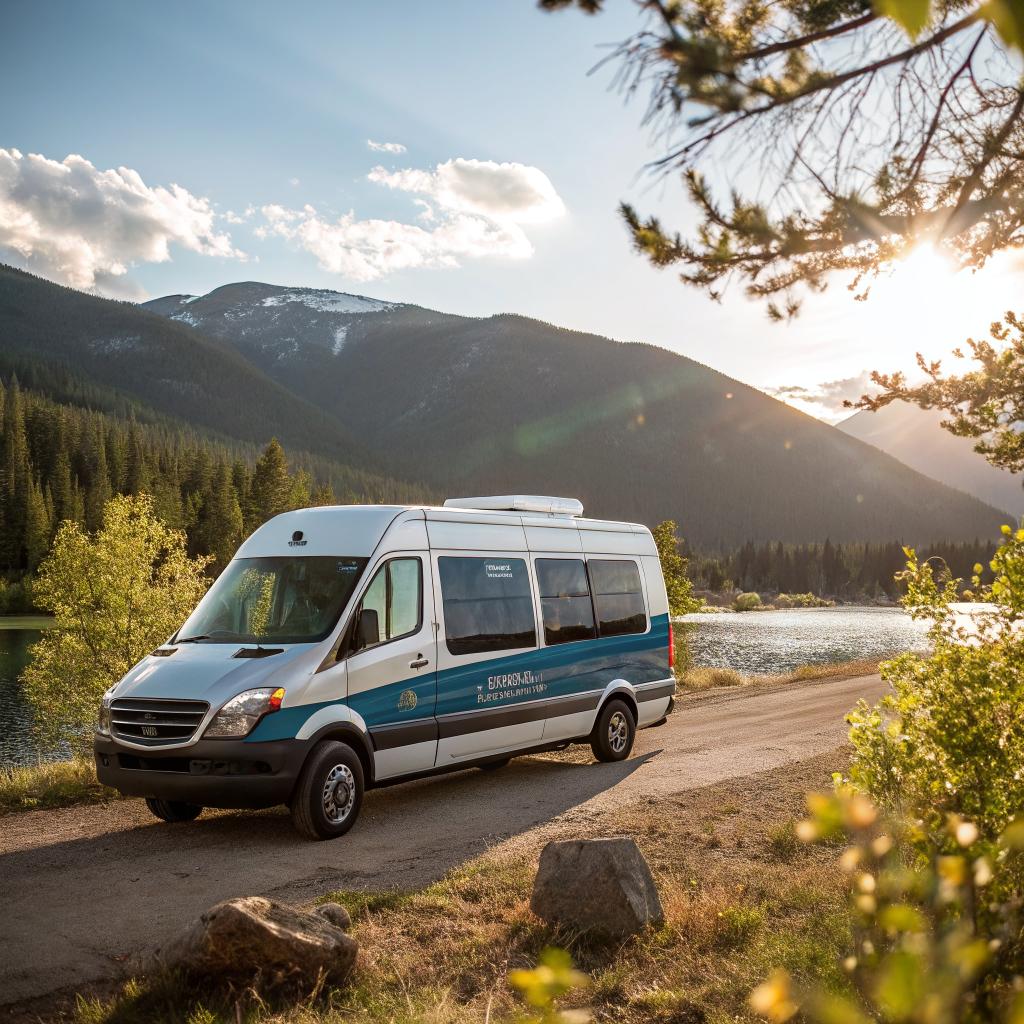
| Service Type | Best For | Group Size | Cost Level | Main Pros | Main Cons |
|---|---|---|---|---|---|
| Private Charter Bus | Corporate events, conferences, retreats | 25–56+ | $$$ | Direct routes, privacy, luggage space | Higher cost than public transit, needs advance booking |
| Minibus / Shuttle | Team outings, airport transfers, city hops | 10–25 | $$ | Flexible routes, easier parking, frequent trips | Less space, not as comfortable for very long drives |
| Rideshare & Taxis | Very small groups, last-minute trips | 1–6 per vehicle | $–$$$ | On-demand, app-based | Hard to coordinate many cars, unpredictable costs |
| Light Rail & Public Transit | Budget travel, central Denver access | Any | $ | Cheap, no parking issues | Fixed routes, tight schedules, limited luggage space |
| Special Event Shuttles | Weddings, festivals, sports games | 20–200+ | $$–$$$ | Planned routes, group arrival, reduced stress | Needs planning, not always flexible on timing |
Finding good group transportation services in Denver comes down to three things: keeping everyone together, staying on time, and not wrecking the budget. For most business visitors, the most practical option ends up being private charter buses or shuttles, which is why services like group transportation services Denver are so popular with conference planners and team leaders. Once you compare that with trying to juggle 15 rideshares in downtown traffic or hoping everyone catches the same train from the airport, the choice starts to feel pretty obvious.
You might not care about the exact model of bus or the brand of seats. You probably care more about whether your team shows up to the client meeting calm instead of frustrated, or if your wedding guests get to the ceremony on time without ten texts asking for directions. That is why this topic matters, especially if you are in a phase of your life or career where your time, your reputation, and your energy are worth more than squeezing out the last few dollars of savings on transport.
Let me walk through what actually works in Denver, where it gets messy, and how to think about it like someone who cares about both business results and a sane personal life.
Why Denver group transport feels harder than it should
Denver looks simple on a map. Straight streets, grid layout, mountains to the west, airport to the east. Yet moving a group through that structure can get complicated faster than you expect.
You have distance. DIA is far from downtown. Roughly 25 miles. That alone creates risk if your schedule is tight.
You have altitude. People arriving from sea level can feel tired, slightly dizzy, or just “off”. Asking them to haul luggage onto multiple trains or buses is not always kind, especially for older guests or key clients.
You have weather. Snow, sudden rain, or just intense sun can slow things down or make outside transfers unpleasant. Locals adapt to it. Visitors, not always.
And you have traffic patterns that swing a lot around events. A Nuggets game, a concert at Red Rocks, or a big convention can turn a normal transfer into a slow crawl if you are not planning around it.
So when people say, “We will just Uber everywhere,” they often underestimate how much hidden friction that creates for 20 or 40 people who do not know the city.
If your group is larger than about 10 people and you have to be somewhere at a specific time, relying only on individual rideshares usually hurts more than it helps.
That is the part many planners learn the hard way.
Key types of group transportation in Denver
Private charter buses: the backbone for serious groups
For business groups, conferences, school trips, retreats, and bigger family gatherings, private charter buses tend to offer the best balance of control, comfort, and cost per person.
You get a professional driver, a private vehicle, and a route that matches your schedule instead of the other way around.
When charter buses make the most sense
You will usually be happiest with a full-size charter bus if:
- You have 30 or more people traveling between the same locations
- You care a lot about on-time arrival for a specific event
- You have luggage, equipment, or materials to haul
- You want to use the time on the road for work or connection, not logistics
For example:
- A company flying 40 sales reps into DIA, heading to downtown hotels, then out to a retreat center near Boulder
- An association conference at the Colorado Convention Center, with shuttles from a cluster of nearby hotels
- A school group doing a three-day itinerary: Denver Museum of Nature & Science, Red Rocks, Golden, and back
If you are honest about how much your group’s time is worth, a bus that looks expensive at first glance often becomes reasonable once you divide the cost over 40 or 50 people.
What you typically get on a modern charter bus
Most full-size charter buses in Denver today include:
- Air conditioning and heating that actually handle Colorado swings
- Comfortable seats with armrests and overhead storage
- Big undercarriage storage for luggage or gear
- Onboard restroom for longer trips
- Power outlets and sometimes USB ports at seats
- WiFi on many vehicles, on request
Do all companies provide the same quality? No. Some fleets feel tired. Some feel fresh and clean. You need to ask questions and, if your event is important, be a little picky.
Minibuses and shuttles: the flexible middle ground
Minibuses fill the gap between a van and a full-size coach. They are helpful when:
- Your group is 10 to 25 people
- You want constant movement between a few locations
- Parking is tight, like downtown or in small mountain towns
Think:
- Rotating shuttle between a hotel and an offsite dinner venue
- Small team retreat that wants to move together but does not need a huge coach
- Wedding parties going from ceremony to photo spot to reception
Minibuses do not always have restrooms, and luggage space is more limited. For in-town hops, that is fine. For airport plus luggage plus a bit of distance, you want to be more careful and confirm storage.
When your schedule involves several short trips inside the city, minibuses often save more time than one big bus, simply because they can move and park more easily.
Rideshare and taxis: useful, but risky at scale
Everyone knows Uber and Lyft. In Denver, they work fairly well for individuals and very small groups.
The trouble starts when you have 15 people and a sharp start time.
If you have ever stood outside a hotel trying to match drivers and riders by license plates, you probably know what I mean. Someone’s ride cancels. Someone else cannot find the driver. Half the group arrives early, half late. The organizer spends energy wrangling text messages instead of preparing for the actual meeting or event.
That does not mean rideshares are bad. They just have a clear ceiling.
They work best when:
- Your group is under 8 people, or you are okay splitting into 2 or 3 cars
- Timing is flexible, like casual dinners or free evenings
- Cost is not a huge concern, or the distances are short
Trying to run a tight multi-stop schedule for 25 people on rideshares is usually a mistake. You may save a bit on paper and pay for it with stress and late arrivals.
Public transit in Denver: where it helps and where it struggles
Denver’s RTD system covers:
- Light rail and commuter rail
- Local buses and regional buses
The train from DIA to Union Station is one of the better parts of the system. For solo travelers or very small groups with light luggage, it is a fine option.
For larger groups, you face:
- Limited space for big suitcases, especially at busy times
- The need to keep everyone together while boarding and exiting
- Extra walking or transfers on each end of the trip
For a budget-conscious student group or a very flexible company retreat, transit can work for certain segments, like:
- DIA to downtown, then private transport from there
- A light rail ride to specific neighborhoods or stadiums
But for a high-stakes client visit or a wedding schedule, it rarely does the job by itself.
How business visitors can choose the right transport
If your life involves leading people, you are probably sensitive to how your decisions ripple out. Transport is one of those details that sounds small and ends up shaping how people feel about the whole trip.
Here is a simple way to evaluate options without overcomplicating it.
Start with three key questions
Ask yourself:
- How many people need to go from A to B at the same time?
- How strict is the timing for each move?
- What is the lowest acceptable comfort level for this group?
If you are moving 40 people to a morning keynote at a conference, on a tight schedule, and your guests are executives or clients, your standards should be higher than for a casual team outing to a brewery tour.
When your reputation is on the line, over-planning transport is usually cheaper than explaining why half the group got lost or arrived late.
Think in “segments,” not just “the trip”
One mistake I see often is planning the main leg and forgetting the edges.
For example:
- DIA to hotel
- Hotel to event venue each morning
- Event venue back to hotel in the evening
- Hotel to dinner locations
- Hotel back to DIA
If you plan only the airport transfer and assume everyone will “figure out” the daily moves, you push a lot of small decisions onto tired visitors each morning.
A more thoughtful approach is to map the whole pattern and decide which segments need group support and which can be individual or flexible.
For instance, you might:
- Book a charter bus from DIA to the hotel and back
- Run a minibus loop between the hotel and conference venue
- Let people use rideshare for their own evening plans after 7 pm
Same number of people, but a far easier week for them and for you.
Budgeting without getting lost in the math
Transport pricing varies, but typical charter bus and minibus services in Denver will quote by:
- Hourly rate with a minimum number of hours
- Flat daily rate for longer trips
- Distance plus time for some regional routes
To compare options use a simple per-person rough cost.
| Option | Example Trip | Approx Group Size | Estimated Cost Range | Approx Per Person |
|---|---|---|---|---|
| Charter Bus | DIA to downtown hotel, one-way | 40 | $$$ | Often moderate when split across group |
| Minibus | Hotel to offsite venue and back | 20 | $$ | Reasonable, with better control |
| Rideshare | Same trip, 10 cars | 20 | $–$$ per car | Quietly adds up, higher uncertainty |
The numbers shift with season, fuel, demand, and time of day, but the structure holds. If you assign someone on your team to chase “cheap” solutions for every leg separately, they often burn hours of time and end up with only a small savings over a single well-planned charter booking.
Popular group uses: what Denver visitors actually book
Different trips have different stress points. Let us look at some of the more common ones.
Corporate retreats and offsites around Denver
Denver is popular for retreats because you can blend city and mountains in one trip.
Common patterns:
- Fly into DIA, stay one night downtown, then head to a lodge in Breckenridge or Estes Park
- Use a Denver hotel as base, day trips to Boulder, Golden, or Red Rocks
- Mix conference days with outdoor activities like hiking or rafting
For these, a mix of charter bus and minibus usually works best.
A full-size charter bus can handle:
- Airport to hotel
- Hotel to mountain retreat center
Then smaller shuttles can help with:
- Evening dinners in town
- Short trips to trailheads or activity sites
From a leadership perspective, the biggest gain is mental. Your team does not start and end each day worrying about transportation. They can give their attention to strategy sessions, team conversations, and rest.
Conferences and trade shows
For conferences, the transport challenges are more repetitive but still tricky:
- Daily movement between several partner hotels and the main venue
- Special VIP transport for speakers or sponsors
- Evening events across multiple locations
If you rely on attendees to self-organize transport, you will get:
- Late arrivals to morning sessions
- Parking headaches at the venue
- People tired from walking or catching transit in business attire
Many organizers choose to:
- Run scheduled shuttles from hotels to the venue during peak times
- Offer a printed or digital map with shuttle stops and times
- Reserve a smaller vehicle for VIPs and key speakers
This does more than just move bodies. It communicates care. It says, “We have thought about your whole experience, not just the sessions.”
Sports teams and fan groups
Denver’s sports culture draws:
- Amateur and school teams coming for tournaments
- Fan groups traveling to see games
Sports travel has its own quirks:
- Equipment bags, coolers, sometimes training gear
- Early morning starts and late-night finishes
- Clusters of short moves between fields, arenas, and hotels
Here, under-bus storage on charter coaches matters a lot. Trying to stuff 30 duffel bags and a few large gear cases into a handful of rideshares is not fun.
For fan groups, a bus also keeps the social energy together. People sing, talk, rehash plays. That might sound small, but those shared moments are often what make the trip feel memorable instead of just another game.
Weddings and family events
Weddings involve emotional stakes. You have older relatives, friends who do not know the area, and often multiple venues.
Common patterns in Denver:
- Ceremony at a church or park, photos at a scenic spot, reception at a separate venue
- Mountain weddings with limited parking and narrow roads
- Guests staying across several hotels or rentals
Without planned transport, you risk:
- Guests arriving late to the ceremony
- Drink and driving issues after the reception
- Parking chaos at small venues
A set of shuttles, or one or two larger buses, can solve most of this.
There is also a quieter benefit. When guests ride together, they meet each other earlier, which warms up the mood for the event. You may see conversations on the bus that carry into the reception and make the whole day feel more connected.
How to work with a Denver transport provider like a pro
You do not have to be an expert in buses to plan a good setup. You just need to ask clear questions and share honest information about your group.
Key details your provider actually cares about
When you first reach out, have these details ready:
- Exact headcount, plus a realistic backup number
- Dates and approximate times for each segment
- Pickup and drop-off locations, with addresses
- Level of luggage per person
- Any mobility needs, like wheelchairs or walkers
You do not need to know every minute, but vague answers like “sometime in the afternoon” make it hard for them to protect your time.
If they ask follow-up questions about timing or route, that is usually a good sign. It shows they are trying to avoid risks, not just sell you the first thing that fits.
Common mistakes planners make
Here are a few patterns worth avoiding:
- Underestimating load time. Getting 40 people onto a bus always takes longer than you think, especially at hotels.
- Ignoring traffic. Leaving downtown for DIA during rush hour without a buffer is asking for trouble.
- Packing schedules too tightly. Back-to-back events with no room for delays create stress even when things go well.
- Assuming everyone will check email or the event app. Some people miss last-minute changes. Clear, simple printed instructions still help.
I once watched a group leader schedule a 60-person bus pickup downtown just 1 hour and 10 minutes before boarding for a flight. It technically could work. It also left zero room for traffic, security lines, or someone misplacing a bag. The group made it, barely, but the leader aged a few years waiting at the front of the TSA line.
What to ask before you confirm
When you are close to booking, a few straightforward questions can save anxiety later:
- “What happens if our flight is delayed by two hours?”
- “Will we have the same driver all day, or will shifts change?”
- “Is the quoted price all-inclusive, or are there potential extra fees?”
- “Can we adjust the itinerary slightly once we are in town?”
- “What is your backup plan if a bus has a mechanical issue?”
You are not trying to trip anyone up. You are checking how they think about reliability and real-world problems.
A good provider will not promise perfection. They will show you they have clear backup plans, which is often more valuable.
The human side: why this shapes your growth too
This might sound like a strange claim, but how you handle something as ordinary as group transport says a lot about how you lead in general.
If you are always scrambling, “saving” money with half-plans and heroic last-minute fixes, that pattern shows up in your team culture. People learn that chaos is normal. Some adapt. Others burn out.
When you treat logistics as part of the guest or team experience, you send a different signal. You say that details matter, that you respect people enough to protect their time and energy.
For business and life growth, that habit spills out into everything:
- You become more intentional about where your group spends effort
- You stop glorifying avoidable emergencies
- You give yourself margin to think more strategically
Transport will never be the most glamorous part of your trip to Denver. But if you get it wrong, people remember. If you get it right, they just experience the event, the city, and each other, which is the point.
Common questions visitors ask about group transportation in Denver
Is a charter bus really worth it for my group size?
If you are under 10 people, usually not. For 10 to 20, a minibus or a couple of vans can be enough. Once you cross about 25 people and you care about timing and comfort, a charter bus often becomes the simplest and, on a per-person basis, very reasonable choice.
How far in advance should I book for Denver?
For peak seasons like summer and big event weekends, 2 to 3 months ahead is safer, especially for larger vehicles. For smaller groups and off-peak dates, you can sometimes book closer, but leaving it to the last week restricts your options.
What if our flight times are scattered?
You have a few choices:
- Pick one or two “main” airport shuttle times that cover most of the group
- Offer a small stipend or clear guidance for those arriving outside those windows to use rideshare or the train
- For very high-value guests, consider private transfers while the rest use group options
Trying to match bus schedules to every different flight usually creates more confusion than it solves.
How do I keep everyone informed of transport plans?
Relying only on apps or only on printed info tends to fail for someone. The most reliable mix is:
- A simple one-page transport overview in welcome packets or emails
- Clear signage at hotel lobbies or meeting points
- Reminders from hosts or team leads before each main move
Over-communicating around timing and pickup spots might feel repetitive to you, but for guests in an unfamiliar city, it reduces anxiety.
What is the single most important thing to avoid?
Pushing your schedule so tight that one small delay breaks everything. Denver has traffic spikes, weather swings, and airport lines that vary a lot. If you give yourself and your group a bit of breathing room, most transport issues shrink from crises into minor adjustments.
If you had to choose only one question to ask yourself while planning your group’s time in Denver, maybe it should be this: “Will the way we move around the city support our purpose for being here, or quietly undermine it?”