| Topic | Quick Take |
|---|---|
| Best flooring for timeless style in Denver | Solid or engineered hardwood in classic species like oak or maple, installed professionally. |
| Average cost range | Roughly $8 to $16 per sq ft installed, depending on wood, prep, and layout complexity. |
| DIY vs pro install | DIY is possible for handy owners, but pro work gives better fit, speed, and resale value. |
| Denver climate concern | Dry air and altitude mean you need proper acclimation, humidity control, and expansion gaps. |
| Lifespan of quality hardwood | 30 to 80 years with good care and periodic refinishing. |
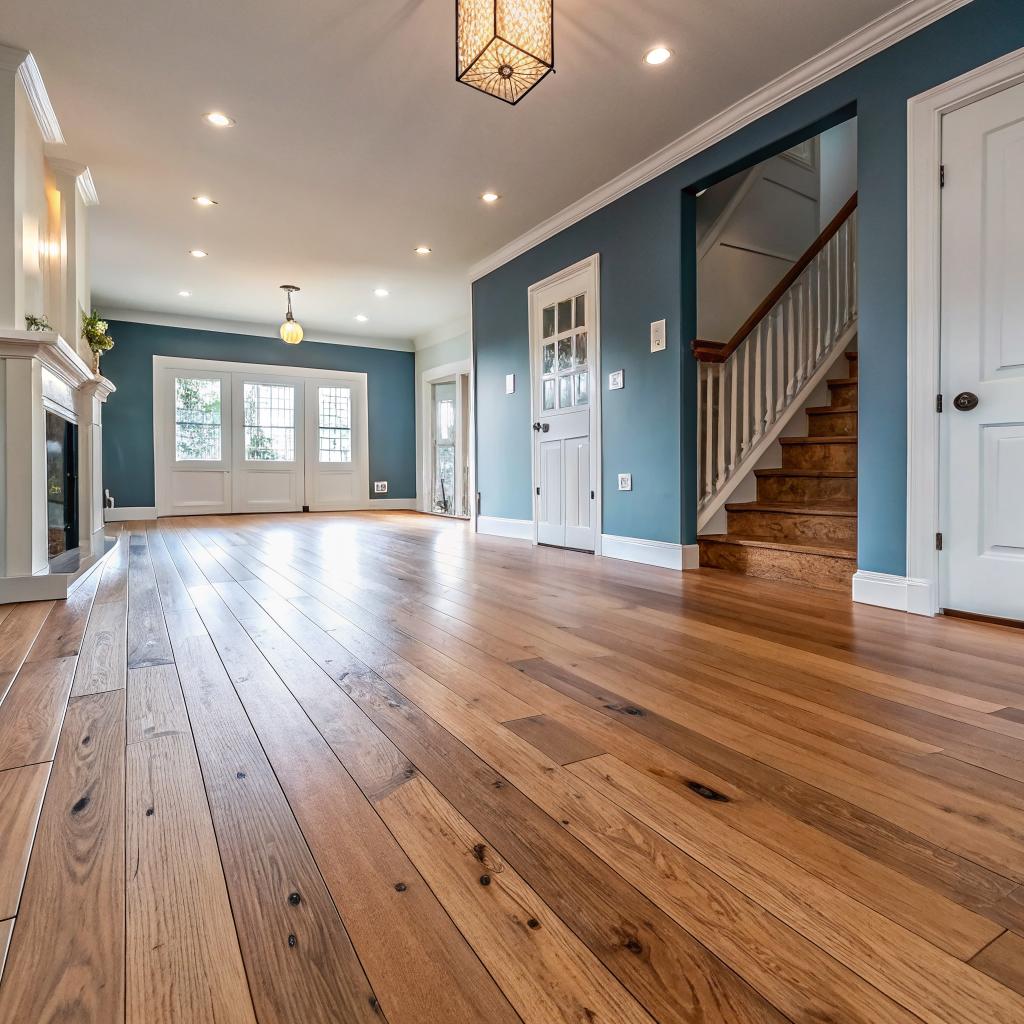
Hardwood is still the most reliable way to give a Denver home a calm, timeless look. If you choose the right product and get solid Denver hardwood installation, you get a floor that works with almost any style you like now and any style you might grow into later. The short version is simple: pick a stable hardwood, respect the altitude and dry air, and let someone skilled handle the technical parts. From there, the floor quietly supports your life, your work habits, and even how you show up in your business, in a way carpet or vinyl never quite does.
Why hardwood fits a growth focused life
If you are serious about growth in business and in life, your home tends to follow. You start to care more about what you walk on, what you look at when you wake up, what your kids or friends experience when they visit.
Hardwood fits this mindset because it is long term by design. You lay it once, then you improve it over time. You sand, refinish, change stain colors, update the furniture around it, but the core stays.
A good hardwood floor is less like a product and more like a long project that quietly tracks your progress over the years.
There is also a mental side. A clean, solid, well installed floor reduces visual noise. That sounds trivial, but on a day where you had twelve meetings and three went badly, the last thing you want is a warped board or a chipped tile at your feet every time you walk to the kitchen. It is one more small distraction, one more leak of energy.
And if you ever host clients, investors, or collaborators at home, the space tells a story about how you make decisions. Cheap short term choices in your physical environment often mirror rushed choices in your work. People notice that, even when they do not say it.
Denver is not a generic city for hardwood
Hardwood that behaves well in a mild, humid coastal city can act very differently at altitude with dry air and cold winters. This is why you sometimes hear people say, half joking, that hardwood is risky in Colorado. That is not really true, but it does require more respect for the details.
The climate problem: dryness and swings
Denver has very low humidity for much of the year. Wood likes balance. It swells with moisture and shrinks when dry. In a dry home, boards can gap, cup, or crack if the product is wrong or the install corners are cut.
Some practical points:
- Humidity swings between seasons can be large, especially if you use strong heat in winter.
- Sun exposure at altitude is stronger, so fading and discoloration happen faster near windows.
- Basements can still have moisture coming through concrete, even when the air feels dry.
If you ignore those, you pay later. If you plan for them, hardwood works very well in Denver.
Solid vs engineered in Denver conditions
Here is a simple comparison that reflects Denver specific concerns.
| Type | What it is | Pros in Denver | Trade offs |
|---|---|---|---|
| Solid hardwood | Single piece of wood, usually 3/4 inch thick | Can be refinished many times; classic; long life | More movement from dryness; needs careful acclimation and install |
| Engineered hardwood | Real wood top over plywood style core | More stable in dry conditions; better over concrete or radiant heat | Limited refinishes, depending on wear layer; quality varies more |
If you live in an older Denver house with a wood subfloor and you like the idea of a floor that can be sanded again and again, solid hardwood still makes sense.
If you live in a newer build with concrete slabs, wide open spaces, maybe radiant heat, engineered is often safer.
The mistake is not choosing solid or engineered; the mistake is choosing without matching the product to your specific house and habits.
Planning your hardwood around your actual life
People often pick floors as if they live in a showroom. White oak in a sample board under perfect lighting looks great. The question is what that floor looks like when your dog runs through after the first snow, kids clean up a spilled drink with the wrong product, or you roll your office chair over the same spot a thousand times.
Traffic patterns and real wear
Think about your days, not just your decor.
Ask yourself:
- Where do people walk the most in my home?
- Do I wear shoes indoors often?
- Do I host gatherings a lot or only rarely?
- Do I work from home and spend long hours in one room?
For high traffic areas like entryways and hallways, a harder wood like oak or hickory is less likely to show dents. In lower traffic bedrooms, you can be more flexible, even with softer species.
Here is a quick reference using Janka hardness ratings, which measure how hard the wood is.
| Species | Janka hardness (approx.) | Practical comment |
|---|---|---|
| Red oak | 1290 | Balanced option, common, handles normal traffic |
| White oak | 1360 | Slightly harder, popular for its grain and color range |
| Maple | 1450 | Harder, clean look, but can show scratches as white lines |
| Hickory | 1820 | Very hard, busy grain that hides wear well |
| Pine (varies) | 400–900 | Soft, dents easily, more of a rustic choice |
Many Denver homeowners lean toward white oak now. It works with light, modern interiors but still feels warm in winter.
Color and finish that age well
Timeless style is less about being on trend and more about not getting tired of your choices.
A few patterns tend to last:
- Natural or light stains age better than very dark ones, since they show less dust and less scratching.
- Matte or low sheen finishes look quieter and hide wear better than high gloss.
- Boards that are not too narrow and not too wide usually feel stable visually.
If you pick very dark, shiny floors, they look striking for a year or two. After that, you might find yourself cleaning more often and seeing every mark. That extra upkeep drains attention you might want for other parts of your life.
When in doubt, go slightly lighter and more matte than your first impulse; your future self is usually happier with that choice.
How professional Denver hardwood installation actually works
A lot of homeowners see pictures of the finished floor but have no real sense of the steps in between. If you understand the sequence, you are less likely to accept shortcuts that hurt you later.
1. Site visit and moisture checks
Before anyone should install hardwood in Denver, they need to know:
- Moisture level in the subfloor (wood or concrete)
- Moisture content of the hardwood itself
- Typical indoor humidity in your home
Installers use moisture meters for this. If your home is new, or if you recently did drywall or painting, the building materials may still be drying out. Putting hardwood on top of that can lead to cupping or warping.
A good installer will also walk the space, look for dips, squeaks, or damaged subfloor sections, and ask about your plans: rugs, heavy furniture, planned remodels later.
2. Acclimation to Denver conditions
This is where the local climate really matters. Hardwood boxes should sit in your home for a period of time before install. That can be a few days or longer, depending on the product and manufacturer instructions.
In Denver, this step is not a formality. If boards go from a warehouse that is at one humidity level into a very dry home and get nailed or glued right away, they will shrink and gaps can appear.
Practical note: Your HVAC system should be running during this time. Let the space behave as it normally will.
3. Subfloor prep
The subfloor is like the foundation for your floor. If it is uneven or weak, the hardwood will show those problems.
Common prep steps:
- Checking for level and sanding or filling high and low spots
- Securing loose boards or panels to stop squeaks
- Adding a vapor retarder or moisture barrier where needed
On concrete, this can involve grinding high spots or using leveling compounds. Skipping this to save time often leads to hollow sounds where the floor is not well supported, or visible flex when you walk.
4. Layout and pattern decisions
The way boards run in a room changes how the space feels.
People often default to running boards toward the main window or front door. Sometimes that is fine. But in a Denver home with odd room shapes, a hallway that cuts across, or a main sight line from entry to living room, another layout might make more sense.
Choices to consider:
- Running boards parallel to the longest wall to visually stretch the room
- Centering boards on a key doorway so cuts are even on both sides
- Deciding where to hide seams if you have to break up a large area
You do not need to be an expert, but it helps to ask your installer to walk you through their layout plan. Most are happy to do it, and it forces both of you to think about how you move through the space.
5. Installation method
There are several ways to install hardwood. The right one depends on your subfloor and product.
A simple comparison:
| Method | Best for | Notes |
|---|---|---|
| Nail or staple down | Solid or engineered over wood subfloor | Traditional method, very solid feel underfoot |
| Glue down | Engineered over concrete or wood | Helps with sound, common in condos and basements |
| Floating | Certain engineered products, especially wide planks | Boards click together; relies on underlayment; quicker but needs precision |
For high value Denver homes, nail or glue down is often preferred, since it feels more solid and tends to be better for resale.
6. Sanding, staining, and finishing
If you choose site finished hardwood, installers will:
- Sand the floor flat and smooth
- Apply stain if you want a color change
- Seal with several coats of finish
Prefinished hardwood skips the on site sanding and finishing, since boards come from the factory with a finish already applied.
Here is how they differ in practice:
| Aspect | Site finished | Prefinished |
|---|---|---|
| Appearance | Very smooth surface, no micro bevels | Small bevels at board edges, subtle grooves |
| Project time | Longer, more on site work, more dust and fumes | Faster install, cleaner process |
| Durability | Great, depends on finish used | Factory finishes are very tough, but harder to repair in small spots |
If you are juggling work, kids, and tight schedules, prefinished often makes more sense. If you want a perfectly flat look and are willing to live through more disruption, site finished offers that.
Cost ranges and where the money actually goes
Money is usually the point where people start to rationalize cheaper options. That might be fine, but it helps to see what you are trading.
For Denver, a rough installed cost for hardwood might range from about $8 to $16 per square foot. You will see lower and higher numbers, but those are often for edge cases.
What drives the total:
- Wood species and grade
- Solid vs engineered
- Site finished vs prefinished
- Subfloor prep complexity
- Stairs, patterns, and tight spaces
Two example scenarios to give a sense:
| Scenario | Key features | Approx. range per sq ft |
|---|---|---|
| Simple install | Engineered white oak, prefinished, over flat wood subfloor, no stairs | $8–$11 |
| Complex install | Solid white oak, site finished, subfloor repair, custom stain, stairs | $12–$16+ |
If your instinct is to pick the cheapest bid, pause. Ask which steps from the earlier sections they are skipping or compressing. Cheaper quotes often save money by rushing prep, reducing acclimation time, or using weaker finishes. Those savings show up later as movement, gaps, or a floor that needs refinishing sooner.
Hardwood as part of your wealth strategy
This might sound dramatic, but how you think about a major home project says a lot about your broader approach to money and growth.
Resale and perceived value
Most Denver buyers read hardwood as “quality” on a listing. They might not know the details, but they will react differently to a home with real hardwood in good condition than to one with worn carpet or basic laminate.
Points that matter:
- Continuity across the main level makes a house feel larger and more put together.
- Consistent species and color through visible areas avoids a chopped up look.
- Quality stairs and landings send a subtle signal of care and craft.
You probably know this from your own reactions during open houses. You walk into a home that has cheap finishes trying to look high end, and it feels off. Hardwood that has been installed and maintained with care creates the opposite feeling, even if you cannot name why.
Durability vs short term savings
There is a classic trap: save a few thousand now, spend tens of thousands more over 15 years across repeated replacements.
Hardwood is not magic, but it does shift the equation:
- Carpet often needs replacing every 7 to 10 years.
- Low cost vinyl can peel, chip, or go out of style quickly.
- Hardwood can last several decades, with refinishing instead of full replacement.
If you are in growth mode in your career or business, it is easy to say you will handle the upgrade later, after the next promotion or the next funding round. The problem is that “later” always has new demands. A floor you do once and live on for decades gives you one less big project competing with your future priorities.
Maintenance in dry Denver air
Installing hardwood is only part of the story. Long term care in Denver has a few quirks that many guides ignore.
Managing indoor humidity
For wood, a target indoor relative humidity of roughly 30 to 50 percent is often ideal. In Denver winters, your home might drop below that.
Ways to help:
- Use a whole house humidifier if your HVAC allows it.
- Place portable humidifiers in the driest rooms, especially bedrooms and main living areas.
- Avoid drying the air too much with constant high heat; sometimes a small temperature compromise helps.
You do not have to obsess over numbers, but if you see your floor shrinking, gapping, or if your skin feels painfully dry all winter, humidity is probably too low.
Daily and weekly habits
Basic care is not complex, but it is easy to overdo or underdo.
Simple guidelines:
- Use a vacuum with a hardwood setting or a soft broom; skip stiff bristles.
- Clean spills quickly, but do not flood the floor with water.
- Avoid steam mops, which can force moisture into seams.
- Use cleaning products made for hardwood; kitchen degreasers or vinegar mixes can dull finish.
If you work from home and roll your chair a lot, get a chair mat that is safe for hardwood, or at least soft casters. It feels like a small thing, but repeated grinding in one spot can chew through finish quickly.
Sunlight and fading at altitude
Denver sun is strong. Over years, it will change the color of your floor, especially near south or west facing windows.
Practical steps:
- Use UV or low E window films where the sun hits hardest.
- Rotate rugs and furniture once in a while so color change stays even.
- Consider lighter, more forgiving stains that do not show fade lines as sharply.
If you ignore this, you may later move a rug and see a sharp outline. Refinishing can help, but that is a bigger project than a film or a shade.
When refinishing beats replacement
At some point, your hardwood floor will not look new. That does not mean it failed. In fact, one of the strengths of hardwood is that you can bring it back.
Signs you are ready to refinish
Some signals:
- Finish is worn through in walk paths, and wood looks dull or gray.
- Deep scratches that have gone past the finish into the wood.
- Color that no longer matches your style after other updates.
Light surface scuffs can often be handled with a screen and recoat, where the top layer is lightly abraded and a new finish coat is applied. That is quicker and cheaper than full sanding and refinishing.
Heavy wear, deep scratches, or old waxes usually call for a full sand and refinish.
Using refinishing as a lifestyle reset
There is also a psychological angle here. Many people choose to refinish floors at the same time as other shifts:
- A new job or business pivot
- Kids leaving for college
- Turning a spare bedroom into a home office
You strip away the old finish, remove dents as much as possible, and bring the floor up to date. That process feels different from tearing everything out and starting over. It respects what came before while making space for the next phase.
That might sound overly reflective for a flooring project, but home upgrades do tend to mirror inner changes. If you think of hardwood as something that can adjust with you, refinishing becomes a tool instead of a chore.
Common mistakes Denver homeowners make with hardwood
It might help to walk through a few missteps that come up over and over. If you avoid these, you are already ahead of many.
1. Choosing on looks alone
Buying based on a small sample board under store lighting, with no thought for daily life, is risky. Maybe the board looks perfect, but:
- The finish is too glossy for your level of traffic.
- The wood is too soft for your large dog.
- The color makes your already dark rooms feel smaller.
You would not hire a key employee based only on their photo. Try not to do that with your floor either.
2. Ignoring climate controls
People in Denver often notice dry skin and cracked lips long before they connect those same conditions to their hardwood. If you upgrade your floor but keep running your home at very low humidity all winter, you are fighting your own investment.
3. Accepting vague bids
If a quote from an installer is very short or unclear, that is a warning sign. You want to see:
- Product details, including brand, thickness, and finish type
- Installation method
- Subfloor prep steps
- Any included transitions, trims, or stair work
A low price paired with missing detail usually means the installer plans to make decisions on the fly, in their favor, not yours.
4. Stopping at the floor
This one is more about style. A beautiful hardwood floor and then random remaining finishes can feel incomplete. If you upgrade the floor, think at least a bit about:
- Baseboards and trim, which frame the floor
- Wall colors that either soften or sharpen the wood color
- Lighting, especially in long winter months
You do not need to do a full remodel. Even small changes, like repainting baseboards or swapping one dated light fixture, can make your investment in hardwood feel more intentional.
Is Denver hardwood installation the right move for you right now?
This is where I will not simply say yes. Hardwood is not the right choice for every stage of life.
It often makes sense if:
- You plan to stay in the home for at least several years.
- You have or want a calmer, less disposable approach to your space.
- You like the idea of one main floor material running through most of the home.
It might not make sense if:
- You expect to move within a year or two and your current floors are already acceptable.
- You are mid renovation with many unknowns and cannot yet predict final room layouts.
- Your budget is so tight that any surprise cost would create real stress.
In those edge cases, a smaller upgrade or a partial project could be smarter. Your home does not have to be perfect right away. Growth in business rarely happens in one straight, clean line, and home projects follow the same pattern.
To close this out, here is a simple Q&A that might help you decide your next step.
Common questions about hardwood in Denver homes
Q: If I work from home and walk the same path every day, will I wear a track into the floor?
A: Over many years, heavy repeated traffic can dull finish in paths, but with a solid or good engineered floor, that is handled through refinishing or a screen and recoat. Using area rugs in the busiest zones and choosing a matte finish helps slow visible wear.
Q: Is it better to install hardwood before or after I remodel my kitchen?
A: Usually, you install hardwood before new cabinets go in, especially if you want a continuous floor under the cabinets. That allows future layout changes without patching. If your kitchen remodel is far off and you want the benefits of hardwood now, you can still run flooring to cabinet toe kicks and plan transitions with your designer later.
Q: Will hardwood feel cold in Denver winters?
A: Compared with tile, hardwood often feels warmer underfoot, especially with a proper underlayment and good insulation. If you tend to feel cold, rugs in living and bedroom areas give extra comfort. Radiant heat under or around hardwood is possible with the right product and install method, but you need an installer who understands both systems.
If you look at your current floors and they feel temporary or tired, the question is less “Is hardwood trendy?” and more “What kind of base do I want under my life for the next couple of decades?”