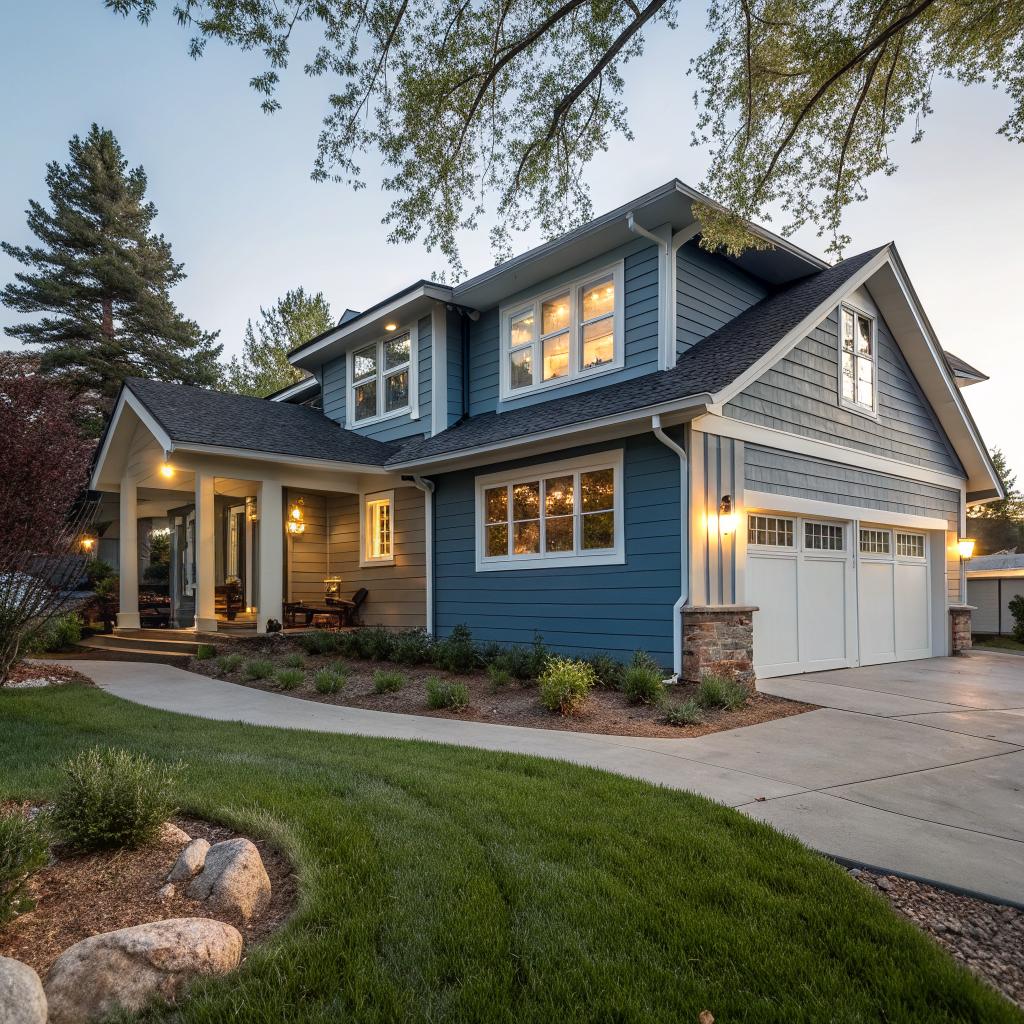
The quote lands on a Tuesday: a storm door for the entrance to your shop, studio or office. Sign too fast and you buy the wrong door, then live with the slam, the rattle and customers detouring around a taped-off entrance. Wait too long and the draft, the sticky latch and the security worry stay put.
Here’s a better way. Treat the door like an experiment with four quick checks. Along the way, a local company such as A&L home improvement Colorado Springs, which lists storm doors among its services, gives you one reference point for how a contractor frames the options.
Ingredient 1: Count Who Really Uses the Door
Start with traffic, not catalogs. A door that sees a handful of visitors a day has a different job from one that takes deliveries, strollers, carts and people balancing coffee.
Run the smallest test you can. For one week, keep a tally at the entrance: who comes through, what they’re carrying and which door they actually pick. Then ask three regulars or staff members what annoys them about it now. They’ll name things no contractor sees on a quick visit, like the handle that catches a sleeve or the door that’s too heavy to open one-handed.
Tedious.
It’s also the cheapest research you’ll do all year, and it gives you a must-have list to hand every bidder instead of letting each one sell you a favorite model. Read the tally with an if-this-then-that mindset. If most traffic is quick in and out, then closing speed and a light pull matter more than looks. If deliveries dominate, then buy for abuse: strong hardware, a sturdy frame and a closer that won’t swing into a hand truck. If anyone with limited mobility uses the entrance daily, then ask the installer and your local building department what applies to the doorway.
Ingredient 2: Test the Door Against Your Weather
Weather is the one boss who never negotiates. Colorado Springs gets strong sun, wind, hail and snowy winters, and an entrance takes all of it first. Sun fades finishes and ages seals, wind makes doors slam or fight the person holding them, and hail and winter punish both the material and the hardware.
Here’s the experiment. Stand at the current entrance on a windy afternoon and watch what the door does. Note where the sun hits it at its harshest and where snow piles up after a storm. Then take those observations to your bidders and ask three things.
- What is the door made of, and how does that material handle dents and hail?
- What closer and hardware come with it, and how do they cope with a gusty day?
- Can the door switch between glass and screen for mild days, or is it fixed for the season?
Remember the pairing, too. A storm door sits in front of your main entry door, so the two have to work as a team. Ask whether the main door still swings fully open, whether the two handles clear each other and whether the pull height suits the people who use the entrance.
If the entrance faces the wind, the closer is your most important ingredient. A great door with a weak closer is just a loud door.
Ingredient 3: Price the Disruption, Not Just the Door
The installation costs you more than the invoice shows. Every hour the entrance is blocked, awkward or half-finished is an hour your customers notice, and a bad call here costs you visits, not just money.
Open your own calendar and find the slowest stretch of the week. That’s the install window you request, in writing. Then ask how the job unfolds. Is measuring a separate visit from installing? How long is the entrance out of use on the day? Where does the old door go? Is there a second way in while the crew works, and who sets up the sign pointing to it?
Test the detour before you pay for it. On a slow day, put up a sign sending people to the side or back entrance for an hour and watch. If customers find it without help, then a one-day install is manageable. If they hover at the front looking lost, then you need clearer signs, a staff member at the door or a different day.
Tell staff and regulars the date ahead of time. A short note by the register or a line in your booking confirmations costs nothing and turns a surprise into a plan. If you rent the space, ask your landlord early, since exterior changes often need their sign-off, and learning that after you’ve accepted a bid is an expensive way to find out.
Schedule is a cost line. Treat it like one.
Ingredient 4: Compare Bids Like for Like
Two bids for “a storm door” can describe two different jobs. One includes removing the old door, trim touch-ups and haul-away. The other lets you find out on install day. The lowest number is only the cheapest option when the scope matches.
Give every bidder the same one-page list from the first two ingredients and ask for an itemized bid. Then check the answers.
- Does it list the door, closer, lock or security hardware, removal of the old door, finish or trim work and cleanup separately?
- What happens if the opening isn’t square or the old frame is damaged once the door comes off?
- Who do you call when the door sticks in January, and how fast will someone answer?
- What licensing does your area require, and can the contractor show it?
A bid with no line items is a coin flip with a letterhead. Ask it to show its work or cross it off.
Keep a simple side-by-side sheet: one column per bidder, one row per line item. The blank cells are the interesting part. A blank means either the bidder left something out or you never asked, and both are worth knowing before you sign.
The Decision Card
| Ingredient | Question to ask | Red flag |
|---|---|---|
| Who uses the door | What did a week of tallies and a few regulars tell us about daily traffic? | A bidder picks the model before asking how the entrance is used |
| Your weather | How do the material, closer and hardware cope with wind, sun and hail? | Vague answers, or the same pitch for every entrance |
| Disruption | When does measuring happen, how long is the entrance out of use and what is the detour? | No install window offered, or only your busiest days |
| Like-for-like bids | Is every part of the job itemized, and who answers the call after install? | A single lump sum and a shrug about call-backs |
The secret ingredient
Name the one problem you’re actually paying to fix. A draft, a sticking latch and a worry about break-ins are three different problems, and only some of them need a new door. Write the failure on one line before you ask for a single bid, then judge every quote by whether it solves that line.
Putting It Together
- Tally door traffic for a week and ask three regulars or staff members what bothers them about the entrance.
- Write a one-page must-have list from the tally and your weather check, then send it to two or three local contractors and request itemized bids with an install window on your slowest day.
- Run a one-hour detour test on a slow day, then sign the bid that matches your list, not the one that sounds friendliest.
Run the cheap tests first and the expensive decision gets a lot easier.