

Book a Tour at Stratford Place Senior Living
Question Short Answer How do I book a tour at Stratford Place Senior Living? Choose a date and time, contact the community online or by phone, share a bit about your needs, then confirm the visit and what you want to see. How long does a tour take? Usually 45 to 90 minutes, depending on

Last-minute tax savings for high-net-worth individuals now
Priority move Time left in the year Difficulty Potential impact Prepay expenses / accelerate deductions Days to weeks Low Moderate to high Harvest losses and rebalance portfolio Days Medium High for taxable portfolios Fund retirement plans (401(k), cash balance, SEP) Weeks to months, depending on plan Medium to high High for high earners Charitable giving

Energy Efficiency: Solar Tax Credits for Commercial Buildings
Item Key Detail Main tax credit Federal Investment Tax Credit (ITC) for commercial solar, up to 30% Bonus credits Possible extra 10% to 20% for domestic content, energy communities, low-income projects Depreciation Accelerated depreciation + potential bonus depreciation on solar system Typical payback 4 to 9 years for many commercial buildings, sometimes faster with state

Content Marketing Funnels: Turning Readers into Leads
Stage Goal Main Content Type Key Metric Awareness Get attention Blog posts, social content, short videos Traffic & new visitors Consideration Build trust Guides, webinars, email sequences Email signups & repeat visits Conversion Collect leads Landing pages, lead magnets, demos Form fills & booked calls Retention Keep people engaged Newsletters, nurture content, case studies Open

Digital Twins: Simulating Operations Before Building
Aspect What Digital Twins Do Why It Matters For You Core Idea Create a virtual copy of a real asset, process, or system Test ideas, spot issues, and improve before spending real money Main Benefit Simulate operations with real data and scenarios Lower risk, better decisions, fewer expensive mistakes Who Uses It Manufacturing, logistics, construction,

Fraud Prevention: Internal Controls for Accounts Payable
Area What It Controls Main Benefit Main Risk If Weak Vendor setup Who can get paid Blocks fake / duplicate vendors Shell companies, insider fraud Invoice approval What gets paid Prevents bogus or altered invoices Overpayments, fake services Payment processing How cash leaves Protects bank details and amounts Redirected payments, fake wires Segregation of duties

Inventory Management: Just-in-Time vs. Safety Stock
Model Main Idea Biggest Benefit Biggest Risk Best For Just-in-Time (JIT) Hold minimal stock, order close to when you need it Lower inventory cost and less cash tied up Stockouts if supply or demand shifts Stable demand, reliable suppliers, tight cash flow Safety Stock Hold extra stock as a buffer Fewer stockouts and higher service
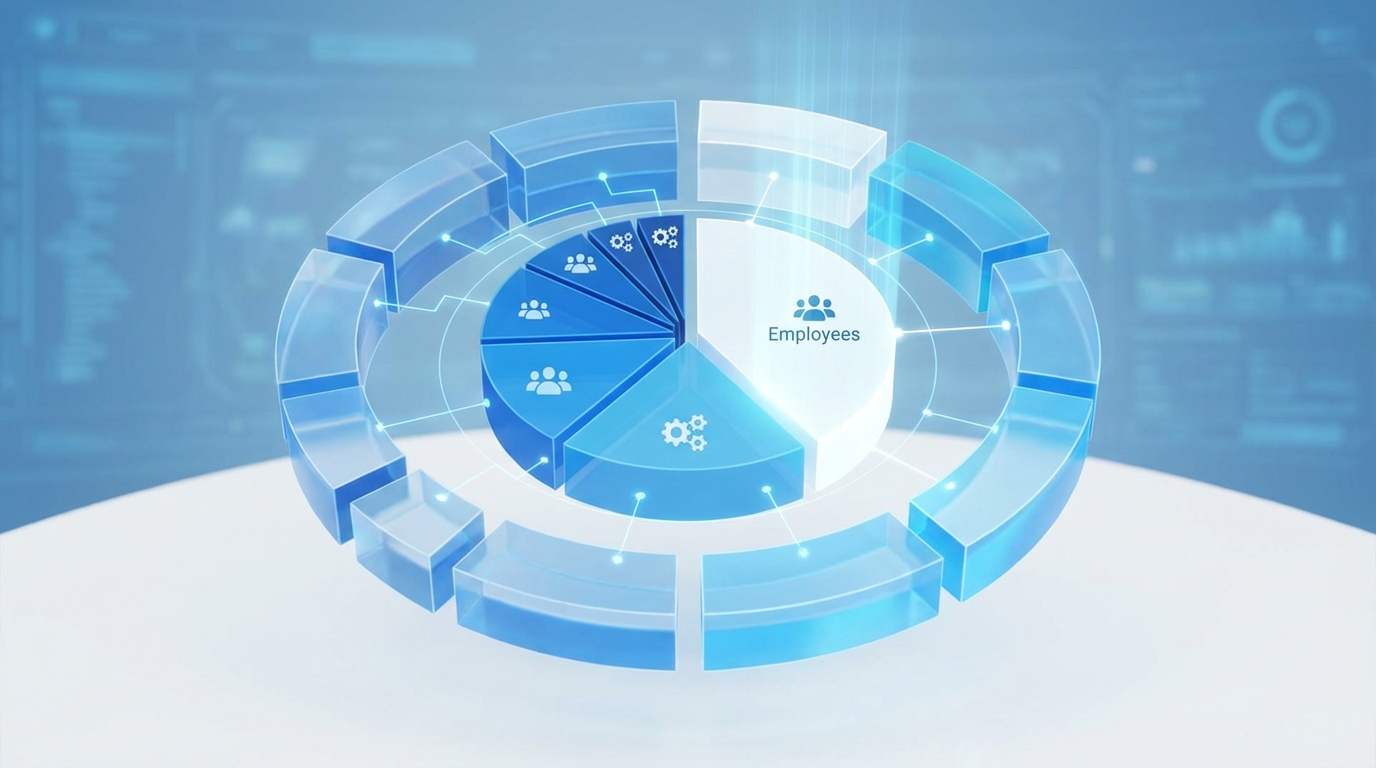
Cap Tables: Managing Equity Distribution for Employees
Topic Quick Take What a cap table is A living spreadsheet that tracks who owns what in your company Why it matters It decides who gets rich, who stays, and how investors see you Employee equity tools Options, RSUs, ESOP pool, vesting schedules, cliffs Biggest risk Promising equity you do not properly model before the

The Death of Email: Moving Ops to Slack/Teams
Topic Email Slack / Teams Speed of communication Slow, delayed replies Fast, near real time Keeping ops visible Hidden in private threads Open channels, shared context Noise level High, hard to filter High, but more ways to manage Search & history Clunky, scattered threads Strong search, channel-based history Workflows & automations Limited, email rules only

CRM Implementation: Why 70% of Projects Fail
Aspect Winning CRM Projects Failing CRM Projects Main Goal Clear business outcomes (revenue, retention, cycle time) “Get a CRM” or “centralize data” with no clear target Owner Strong business owner with real authority IT or vendor drives it, sales and marketing follow User Involvement Frontline users shape process and setup Decisions made in boardrooms and
