
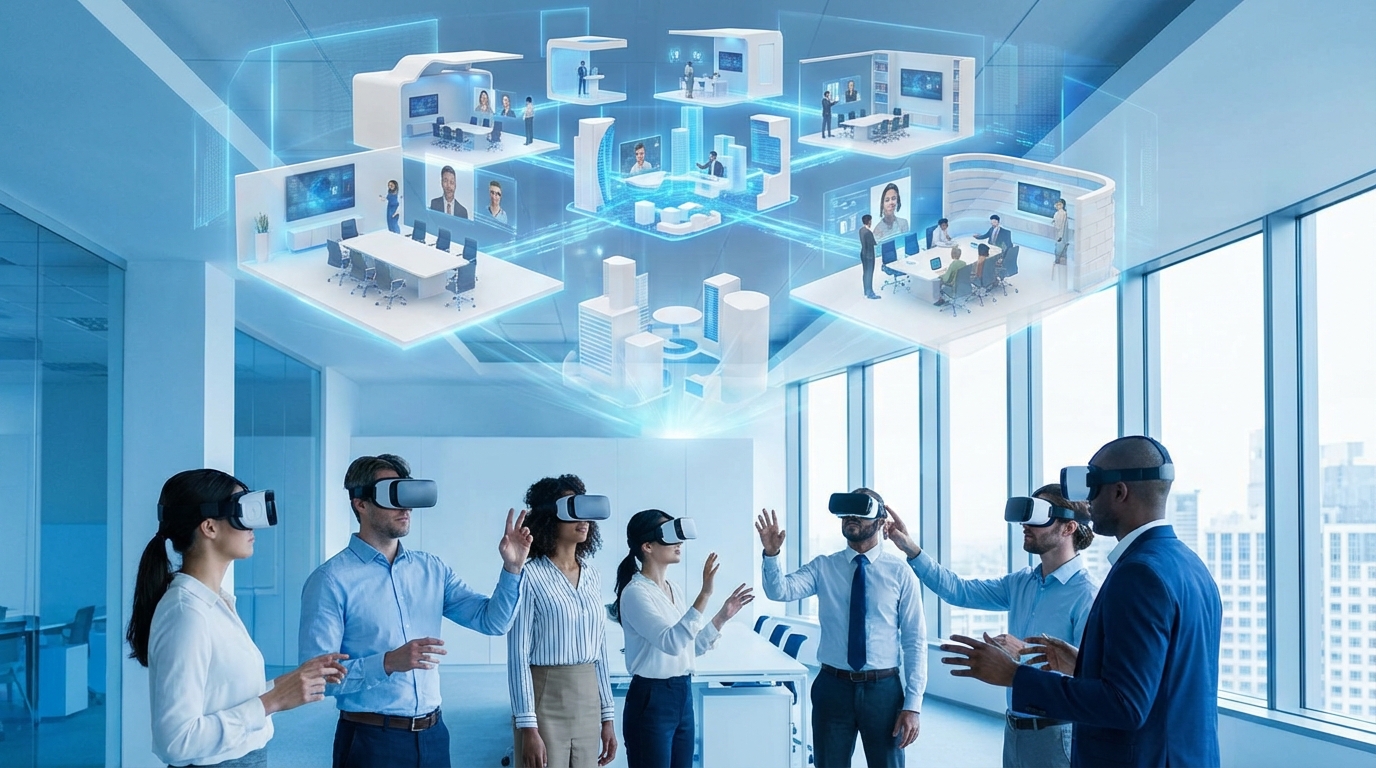
The Future of Work: VR Meetings and Metaverse Offices
Aspect VR Meetings Metaverse Offices Main benefit Richer collaboration than video calls Persistent virtual HQ for your team Biggest risk Fatigue and low adoption Wasted spend on unused virtual spaces Time horizon 1 to 3 years for early use in teams 3 to 10 years for mainstream business use Cost range $300 to $700 per
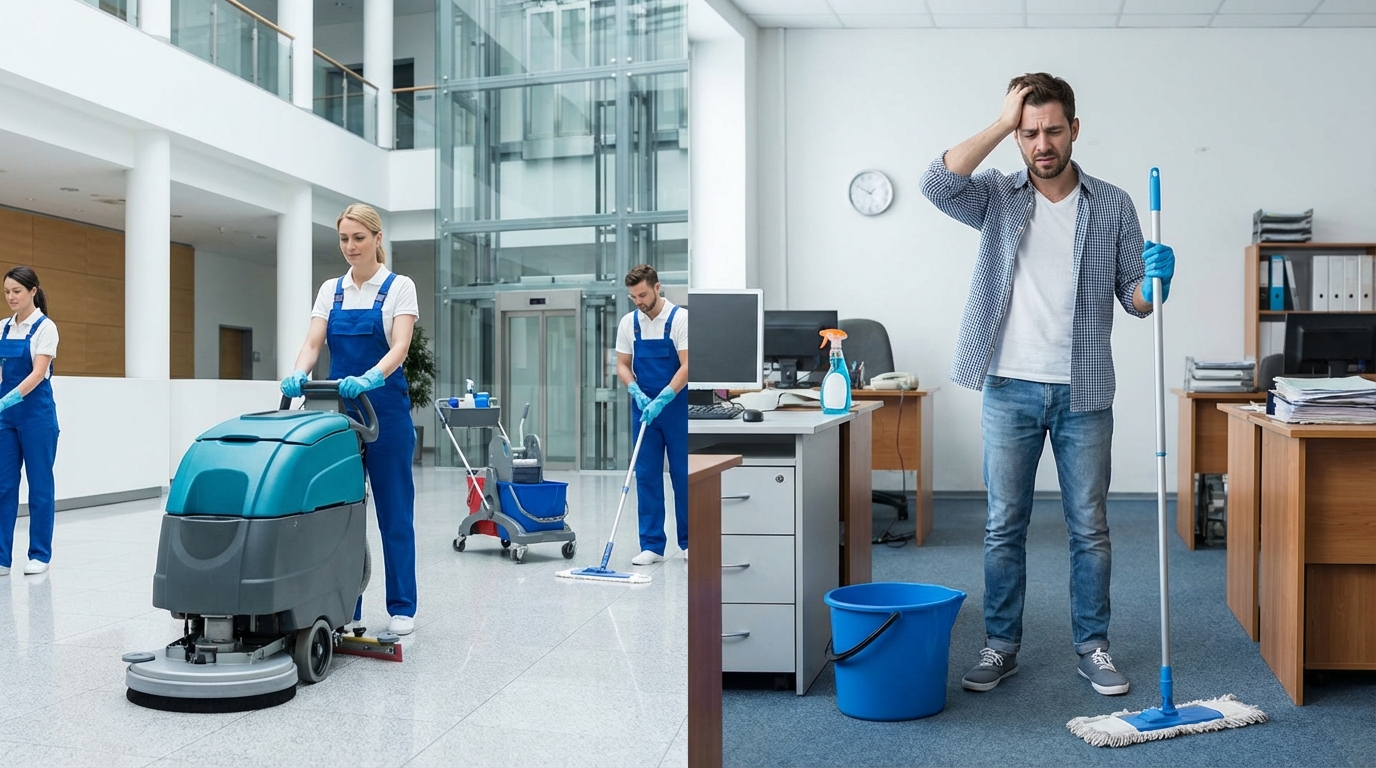
Outsourcing Janitorial Services vs. In-House Cleaning
Outsourced Janitorial In-House Cleaning Upfront Cost Low (service contract) High (hiring, equipment, supplies) Ongoing Cost Predictability High (fixed or set monthly rate) Medium (wages, benefits, turnover) Control Over Staff Lower Higher Quality Consistency High with right vendor, variable at first Depends on management and training Flexibility for Growth High (easy to scale hours/sites) Low to
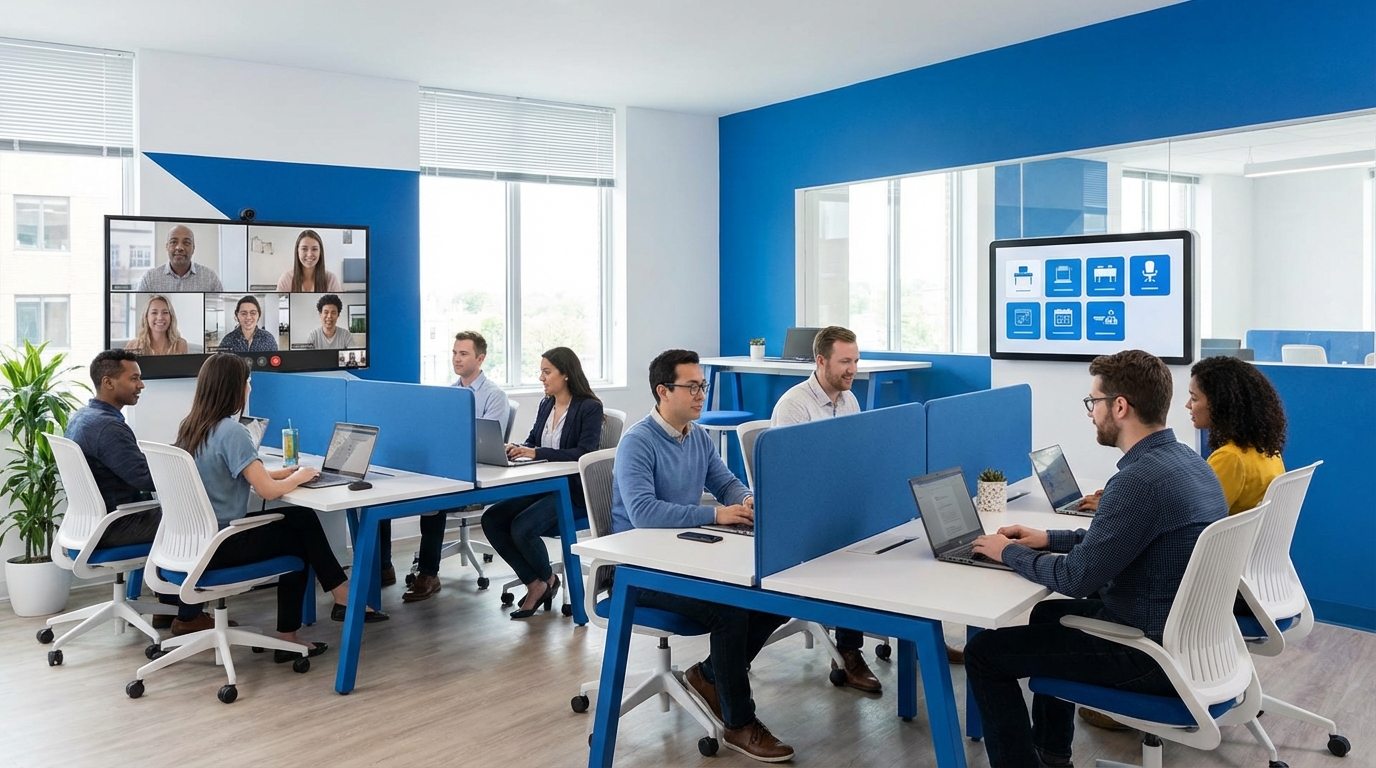
The Hybrid Office: Managing Desks for Remote Workers
Desk Strategy Best For Main Benefit Main Risk Assigned desks Teams in office 3+ days/week Stability and clear ownership Wasted space on remote days Hot desking (first come) Small, flexible teams High space usage Desk anxiety and chaos Desk hoteling (book in advance) Hybrid teams with set office days Predictable capacity and planning More admin
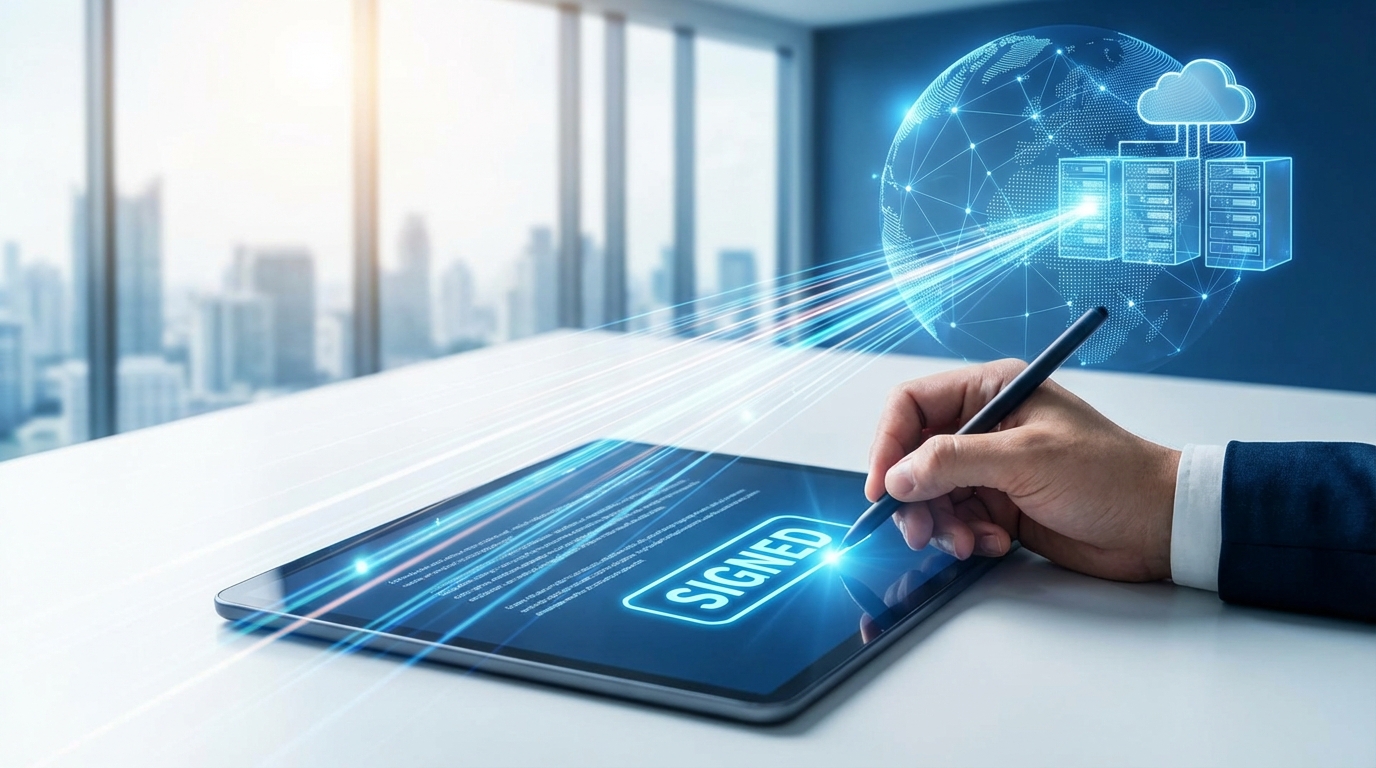
E-Signatures: Speeding Up Contract Turnarounds
Aspect With E-Signatures Without E-Signatures Average contract turnaround Minutes to 1 day 3 to 10 days (or more) Tracking status Real-time dashboard Email chains, phone follow-ups Error rate (missing fields / signatures) Low, guided fields High, manual checks Client experience Click and sign from any device Print, sign, scan, or mail Legal validity Legally valid
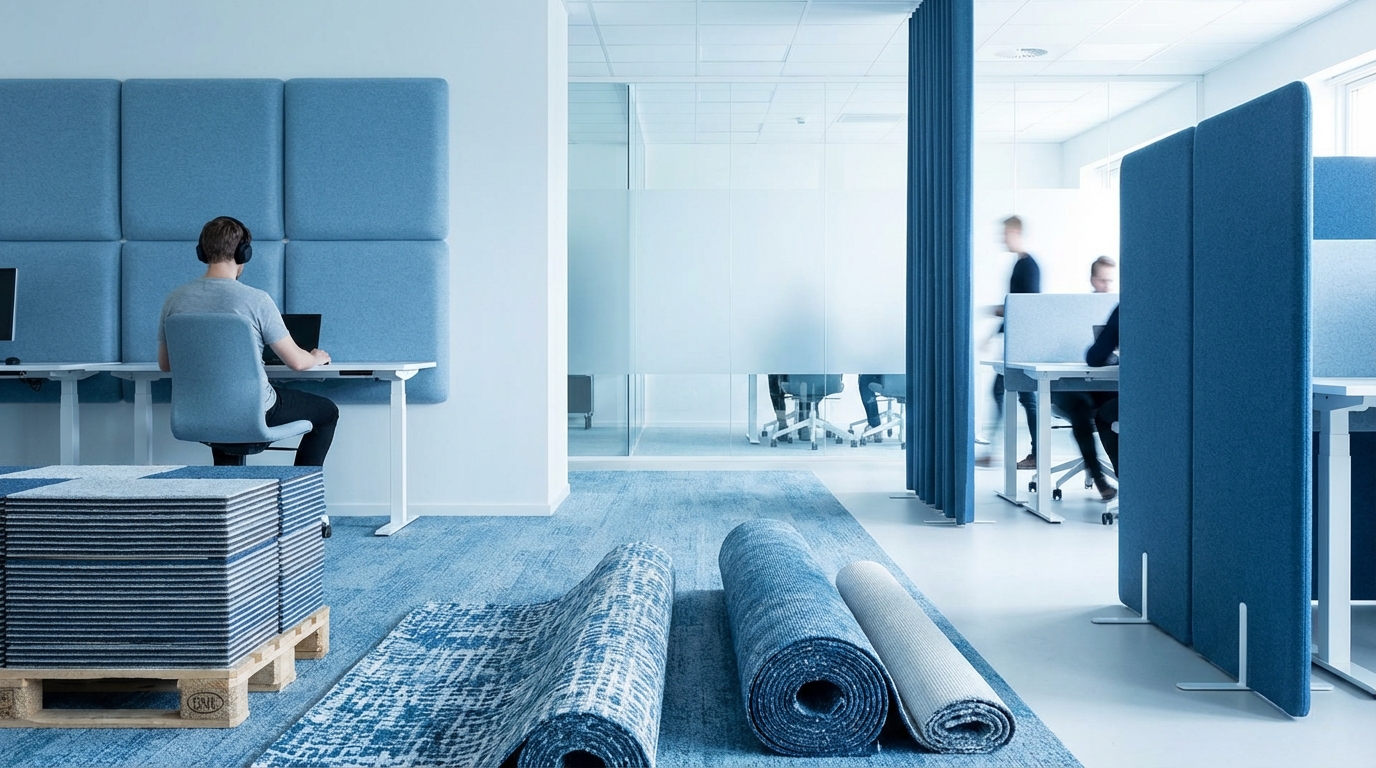
Office Acoustics: Reducing Noise Pollution for Deep Work (Link to Flooring/Carpets)
Aspect Quiet Office Noisy Office Deep work focus Longer focus blocks, fewer errors Constant context switching, more mistakes Stress levels Lower stress, calmer teams Higher stress, faster burnout Conversation privacy Better confidentiality & trust Everyone hears everything Impact of flooring Carpets & acoustic floors absorb noise Hard floors bounce sound everywhere Cost to improve Moderate,

Managing Debt: Good Leverage vs. Bad Leverage
Good Leverage Bad Leverage Main goal Grow income or asset value Fund lifestyle or cover gaps Cash flow impact Pays for itself or more Drains monthly cash Risk level Measured, backed by real plan High, tied to hope and guessing Typical examples Profitable business, smart mortgage Credit cards, lifestyle loans Key test Will this create

Burnout Prevention: Spotting the Signs in High Performers
Aspect What High Performers Experience Early Burnout Sign Energy Long hours, strong output, “I can handle it” Constant fatigue even after rest Motivation Driven by goals, ambitious, proactive Work feels flat, results feel empty Mindset Optimistic, solution focused Cynical, detached, negative self-talk Performance Reliable, consistent, self-correcting More mistakes, slower decisions Relationships Supportive, collaborative Irritable, withdrawn,

EBITDA Explained: Why Buyers Look at This Number First
Item What it Means Why Buyers Care EBITDA Earnings before interest, tax, depreciation, amortization Quick view of cash earning power from operations EBITDA Margin EBITDA as % of revenue Shows quality of profits and pricing power Adjusted EBITDA EBITDA with “one‑off” items removed Gives a cleaner view of sustainable earnings EBITDA Multiple Price paid divided

The Cost of Hiring: Salary vs. Total Burden
Item Typical Range Quick Note Base Salary 100% The number you usually negotiate Payroll Taxes & Statutory Costs 10% – 18% of salary Social security, Medicare, unemployment, etc. Benefits (health, retirement, leave) 10% – 30% of salary Varies by country, industry, and generosity Overhead (office, tools, admin) 5% – 25% of salary Space, software, equipment,
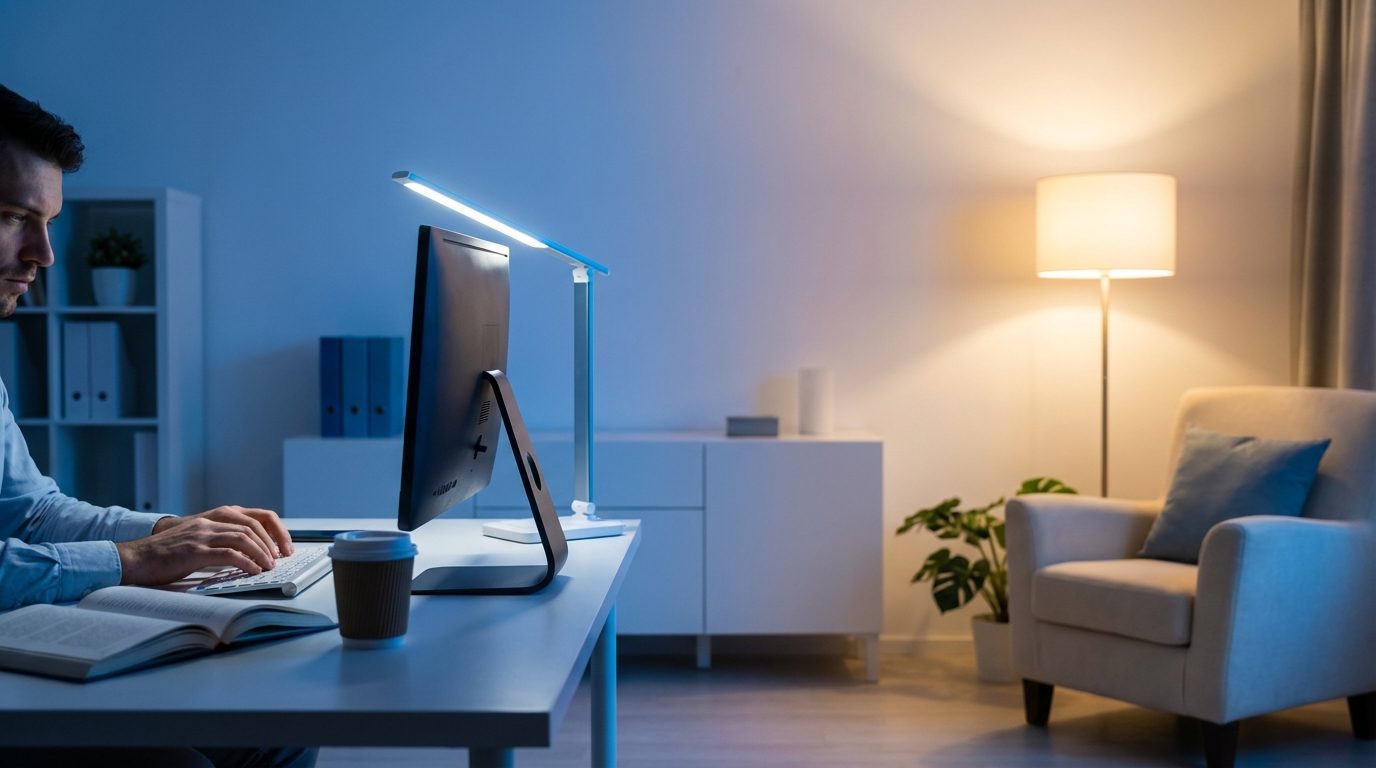
Lighting Design: How LED Color Temperature Affects Focus
LED Color Temperature Kelvin (K) Effect on Focus Best For Warm White 2700K – 3000K Relaxed, lower alertness Evenings, reading, wind down Neutral White 3500K – 4100K Balanced focus and comfort Home office, meetings, study Cool White / Daylight 5000K – 6500K High alertness, strong focus Deep work, design, problem solving Very Cool / “Blue-ish”
