
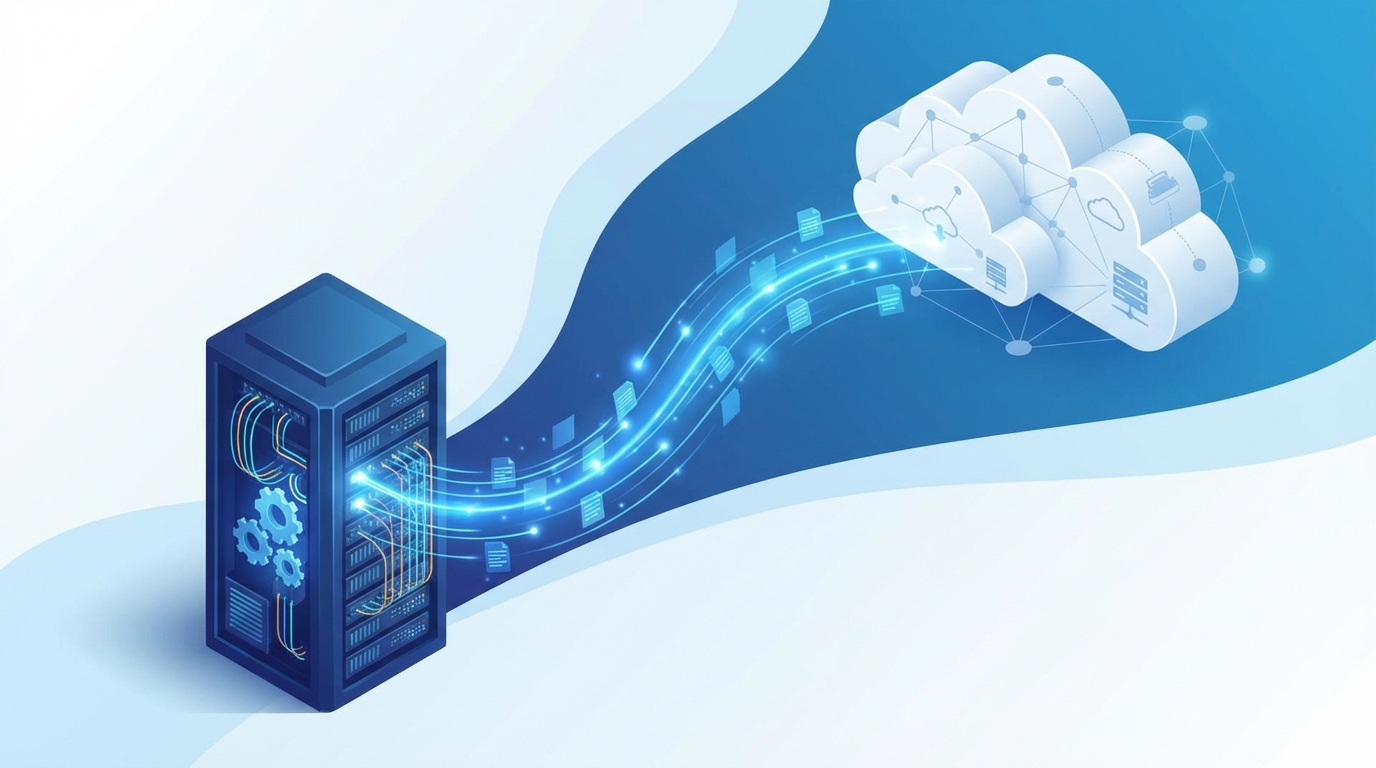
Legacy System Migration: Moving from Mainframes to Cloud
Aspect Mainframe Cloud Cost pattern Large fixed, capex-heavy Variable, pay-as-you-go opex Change speed Slow releases, long cycles Frequent releases, small changes Talent Shrinking pool, high rates Large pool, broad skill base Risk surface Centralized, controlled Distributed, needs strong governance Migration difficulty Not relevant High: tech, people, process shift Most leaders talk about legacy system migration
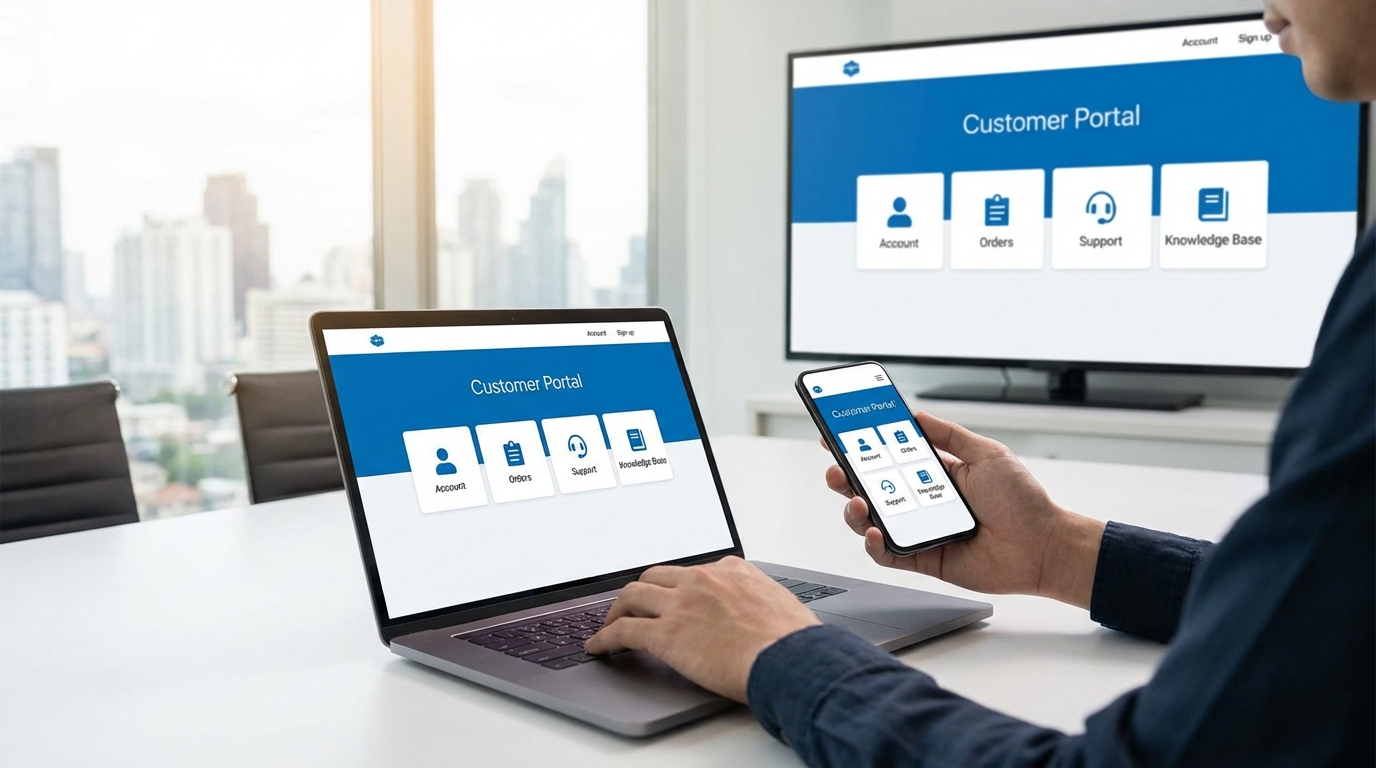
Customer Portals: Self-Service Options to Reduce Calls
Topic Quick Take Main goal Use a customer portal so people help themselves instead of calling. Biggest benefit Fewer repetitive support calls and emails, more time for high value work. Biggest risk Building a portal nobody uses because it is confusing or buried. Key features Account access, order tracking, payments, support tickets, knowledge base. Success

Blockchain in Supply Chain: Transparency and Tracking
Aspect With Traditional Systems With Blockchain Traceability Scattered, slow, manual Shared, near real-time, auditable Data Integrity Easy to alter or lose Tamper-resistant record of events Transparency Low, many blind spots Shared view for authorized parties Dispute Resolution He-said-she-said, slow Common source of truth Upfront Cost Lower, familiar tools Higher, new tech and change effort Change
CRM Implementation: Why 70% of Projects Fail
Aspect Winning CRM Projects Failing CRM Projects Main Goal Clear business outcomes (revenue, retention, cycle time) “Get a CRM” or “centralize data” with no clear target Owner Strong business owner with real authority IT or vendor drives it, sales and marketing follow User Involvement Frontline users shape process and setup Decisions made in boardrooms and

The Future of Work: VR Meetings and Metaverse Offices
Aspect VR Meetings Metaverse Offices Main benefit Richer collaboration than video calls Persistent virtual HQ for your team Biggest risk Fatigue and low adoption Wasted spend on unused virtual spaces Time horizon 1 to 3 years for early use in teams 3 to 10 years for mainstream business use Cost range $300 to $700 per

Data Warehousing: Centralizing Your Business Intelligence
Aspect Quick Summary What it is A central database that stores cleaned, structured business data for reporting and analysis Main goal Give everyone one trusted version of the truth for decisions Best for Companies with multiple systems, teams, and growing data needs Key benefits Consistent numbers, faster reporting, stronger forecasting, less manual work Main challenges

E-Signatures: Speeding Up Contract Turnarounds
Aspect With E-Signatures Without E-Signatures Average contract turnaround Minutes to 1 day 3 to 10 days (or more) Tracking status Real-time dashboard Email chains, phone follow-ups Error rate (missing fields / signatures) Low, guided fields High, manual checks Client experience Click and sign from any device Print, sign, scan, or mail Legal validity Legally valid

AI in Customer Service: Replacing Tier 1 Support
Aspect AI Tier 1 Support Human Tier 1 Support Speed of response Seconds, 24/7 Minutes, limited hours Cost per contact Low after setup High and recurring Consistency High, scripted Varies by agent Depth of empathy Simulated, pattern-based Real and nuanced Best use case Tier 1, repetitive issues Tier 2+, complex or sensitive Most tier 1

No-Code Revolution: Building Internal Tools Without Engineers
Question Quick Answer Can you build real internal tools without engineers? Yes, for many cases. No-code covers 60-80% of typical internal needs. When does no-code start to break down? Heavy custom logic, complex data, or strict security / compliance. Biggest benefit? Speed. Non-technical teams ship tools in days, not months. Biggest risk? Shadow IT and

The Paperless Office: Document Management Systems That Work
Area Paper Office Paperless Office Search Manual, slow, depends on people Instant search by name, tag, content Security Locked rooms and cabinets Permissions, encryption, audit trails Cost Ongoing paper, ink, storage Upfront software + smaller ongoing fees Access Office-only, business hours Anywhere, multiple devices Compliance & Audits Box hunting, missing files Logs, version history, central
