| Topic | Safe Choice | Risky Choice |
|---|---|---|
| Who should handle major wiring | Licensed local electrician | DIY without training |
| Breaker panel work | Professional service only | Self-installed breakers or panel swap |
| GFCI / AFCI protection | Required in wet and living areas | Standard outlets everywhere |
| Extension cords | Short-term and light use | Permanent power source |
| Aluminum or old wiring | Inspection and upgrades | Ignore until something fails |
| Permits and inspection | Pulled and passed | Skipped to “save time” |
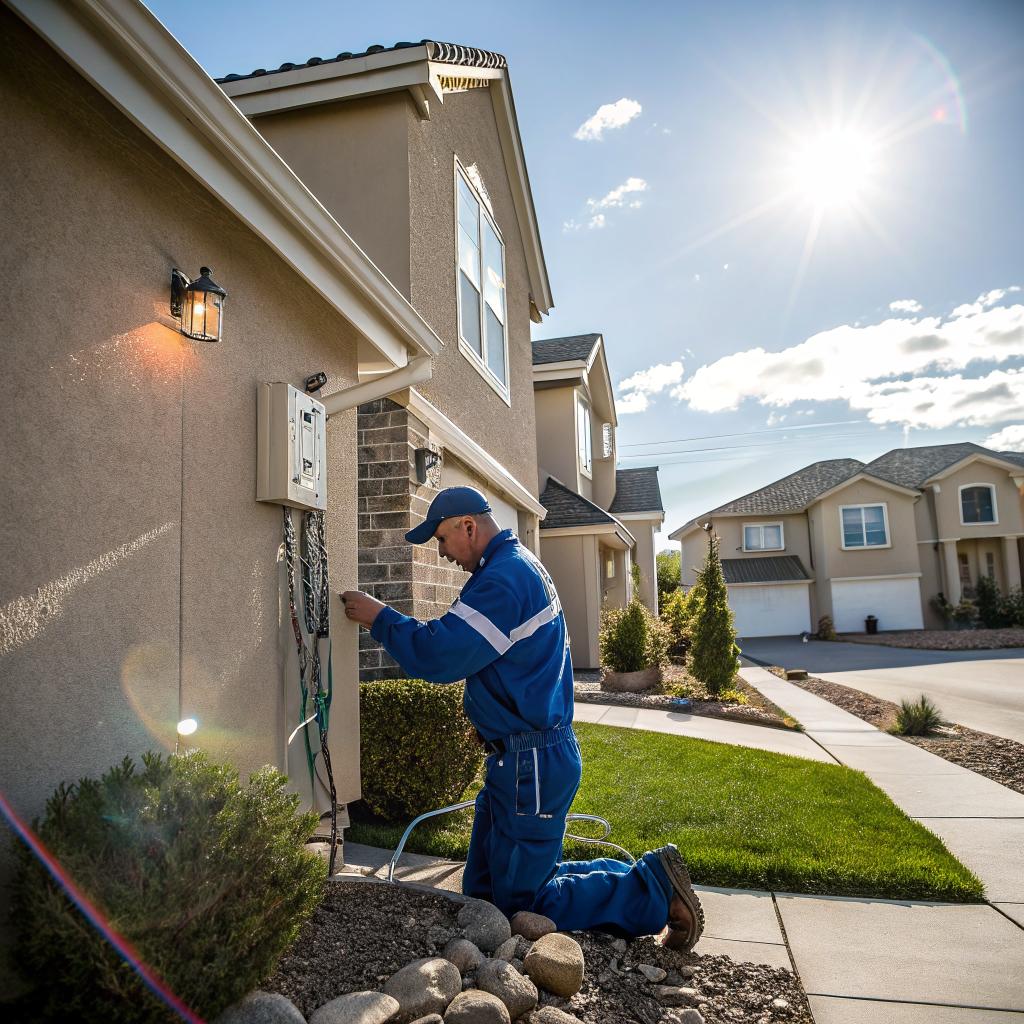
Safe home wiring comes down to a simple rule: anything that can burn, shock, or quietly fail behind a wall should be handled by a trained pro, and anything you do yourself should be small, clear, and checked twice. In a city like Jacksonville, where humidity, storms, and constant growth all put extra stress on wiring, partnering with a trusted electrician Jacksonville NC and knowing your own limits is usually the smartest mix. The rest of this guide is about drawing that line: what you can reasonably understand and maintain yourself, what you should leave to a licensed electrician, and how to think about electrical safety the same way you think about long term health or business growth, not just quick fixes.
Why home wiring should matter to business minded people
If you care about growing a business or improving your life, electrical work might feel like a side topic. Something you only think about when a breaker trips.
I do not think that is a great way to look at it.
Your home is a base for everything else you do. When the power is stable and safe, you can focus. When it is not, you start dealing with small interruptions, strange flickers, and in the worst case, real danger.
Safe wiring is less about avoiding one big disaster and more about reducing small, constant risks that quietly wear you down over time.
Think about this in three layers:
1. Safety
You want your family, tenants, or guests to be safe from fire and shock. That is the obvious part.
2. Reliability
Computers, routers, and home office gear fail faster on bad wiring. Brownouts and surges are brutal on electronics.
3. Value
When you sell or rent a property, clean electrical work adds confidence. Sloppy work scares serious buyers.
Safe wiring is not about fancy gadgets. It is about smart choices, clear limits, and a bit of humility when something is beyond your skill set.
How a typical Jacksonville home electrical system works
If you want to make good choices, you need a basic mental picture of what is behind your walls. Not every detail, just enough to know what you are dealing with.
The main pieces of your system
| Part | What it does | What you should usually do with it |
|---|---|---|
| Service drop / entrance | Where power from the utility comes into your home | Leave to the power company and licensed electrician |
| Main panel (breaker box) | Distributes power and protects circuits | Safe to reset breakers, unsafe to rewire without training |
| Branch circuits | Individual runs of cable to rooms and devices | Pro handles new circuits or major changes |
| Outlets and switches | Where you plug things in or control lights | Handy owners can replace, if they know how to do it safely |
| Grounding system | Gives fault current a safe path to earth | Needs proper design and testing by a pro |
In many Jacksonville homes, especially older ones, you might also see:
– Two prong outlets
– Mixed copper and aluminum wiring
– Old fuse boxes that were never upgraded
Each of these can be fine in some narrow cases, but they are rarely ideal long term.
If you ever look at your panel or wiring and feel confused or slightly nervous, that feeling usually means the project is bigger than a quick YouTube tutorial.
Typical circuit loads that quietly cause trouble
Most owners underestimate how much power certain devices pull. That is where problems start.
A few common trouble spots:
– Kitchen small appliance circuits with coffee makers, toasters, and microwaves running at once
– Garages where freezers, air compressors, and power tools share one circuit
– Home offices with gaming PCs, dual monitors, and space heaters stacked on a single 15 amp breaker
Each circuit only has so much capacity. When you regularly push it near the limit, even if the breaker does not trip, everything runs hotter. Over years, that heat ages wiring and connections.
This is where a local electrician earns their pay. They can look at your layout, your habits, and suggest new dedicated circuits or service upgrades that match how you actually live.
DIY vs pro: drawing a clear line
You wanted practical guidance, not theory, so here is a more direct split between what a careful homeowner can usually handle and what you should not touch.
Projects most homeowners can handle with care
If you are comfortable turning off breakers and testing for power, you can often handle:
- Replacing a light fixture with another similar fixture
- Swapping an old outlet with a new standard outlet
- Replacing a light switch with a standard single pole switch
- Changing faceplates and cosmetic items
Even then, there are conditions:
– The existing wiring must be in good shape
– The box size must support the number of wires
– You must know how to connect hot, neutral, and ground correctly
If any of that sounds fuzzy, you either need more study or some help.
Projects that should almost always be handled by a pro
There are jobs that are simple for a licensed electrician and risky for everyone else:
- Panel replacements or upgrades (for example from 100 amp to 200 amp)
- Installing new circuits, especially for heavy loads like HVAC or EV chargers
- Working on aluminum branch circuits or old knob and tube wiring
- Any work that needs a permit and inspection
- Running wiring in wet areas like bathrooms, kitchens, outdoors, or near pools
These jobs mix code requirements, safety standards, and experience. A mistake might not show up for years, until the right combination of load and heat exposes it.
If your project changes the structure of your system, not just the device at the end of the wire, assume you should hire an electrician.
Local Jacksonville factors that affect wiring safety
Where you live changes how you should think about wiring. Jacksonville is not a dry, mild place where wires stay cool and clean forever.
Humidity and corrosion
High humidity slowly attacks connections, especially in:
– Garages
– Crawl spaces
– Attics
– Outdoor boxes and fixtures
Metal corrodes. Screws loosen. Gaskets crack. That is normal over time, but in a humid climate it happens faster.
So you want:
– Weather rated boxes and covers outdoors
– Tight, clean connections
– Regular checks on outdoor circuits and equipment
If you run a business from home or have a lot of tools in a detached building, this matters even more.
Storms, surges, and lightning
Coastal storms and lightning can send spikes through the grid. A power strip with a cheap surge protector helps, but it is not the same as a whole house solution.
Short version:
– Sensitive electronics like routers, computers, and TV gear should have at least point of use surge protection
– For better protection, an electrician can install a whole house surge device at the panel
– Proper grounding is not optional here, it is central to how the protection works
A business person will quickly see the math. One bad surge that kills a computer full of client work is more expensive than doing this right once.
Understanding breaker panels and why they trip
The breaker panel is the nervous system of your home. If you are afraid of it, you cannot really manage your wiring choices.
What a breaker does in plain language
A breaker is a safety switch that turns off a circuit when:
– You pull more current than the circuit was designed for
– There is a short or fault that would otherwise melt wires
If a breaker trips now and then when you plug in one extra thing, it is not being annoying. It is doing exactly what it is supposed to do.
What concerns me more is when people start doing things like:
– Upsizing a 15 amp breaker to 20 amps without changing the wire
– Repeatedly flipping a tripping breaker back on without asking why it tripped
– Taping a breaker in the on position
Those are all red flags.
Common panel issues in older or heavily used homes
In Jacksonville, you often see:
– Panels that are full and packed, with tandem breakers added randomly
– Rust or corrosion in garages or outdoor panels
– Old brands of panels that have known safety problems
These problems reduce the protection you think you have.
If you see any of the following, get a panel inspection:
- Visible rust or corrosion inside the panel
- Spaces where breakers are missing and no proper cover is in place
- Multiple wires under one breaker screw that is not rated for it
- Heat discoloration or a burnt smell around breakers
A panel replacement sounds expensive. It is not cheap, but neither is ignoring a core safety device that is failing.
GFCI, AFCI, and other protection devices you should actually care about
There is a lot of jargon in electrical rules. Two acronyms are worth your attention: GFCI and AFCI.
GFCI: protection against shock
GFCI stands for ground fault circuit interrupter. You have seen these outlets with the “test” and “reset” buttons.
They monitor the current going out and coming back. If a tiny part of the current starts leaking somewhere else, like through a person, the device trips in a fraction of a second.
In plain terms, GFCIs protect people, especially in:
– Bathrooms
– Kitchens
– Laundry areas
– Garages
– Outdoor outlets
If your home does not have GFCIs in these areas, that is an upgrade to take very seriously. It is one of the most effective safety improvements for a modest cost.
AFCI: protection against hidden arcing
AFCI stands for arc fault circuit interrupter. It looks for patterns that indicate arcing in wiring, like a loose connection sparking behind a wall.
This is more about fire prevention than shock protection.
Modern codes often call for AFCI protection in many living areas. Older homes might not have it at all.
Here is the part that some owners do not like: AFCI breakers can trip more often, especially with older appliances or bad wiring. Some people call that annoying. I call that a signal that something is off.
If you have a tripping AFCI, do not bypass it or swap it for a standard breaker to “fix” the nuisance. Find out what is causing the arcs.
Common wiring problems in Jacksonville homes
You asked for practical insight, so let me walk through problems electricians in the area tend to see again and again.
Overloaded multi use circuits
An older house might have a single 15 amp circuit handling:
– The living room outlets
– Part of a hallway
– A home office nook
– Maybe a space heater in winter
On paper, it “works” until you plug in one more thing and lose power.
The safe fix is usually to:
– Add one or more new circuits for heavy or steady loads
– Move some outlets to balance the load
Using smaller devices or unplugging one item is a short term patch, not a long term plan.
Improper use of extension cords and power strips
Extension cords are not permanent wiring. They are temporary tools. Yet in many garages and spare rooms you find them:
– Running under rugs
– Fed through doorways or windows
– Daisy chained from one to another
Each step increases heat and resistance. Over time that can damage cords and outlets.
Power strips are similar. One decent strip is fine for low draw devices. Stacking strips or feeding heaters, air conditioners, or big tools from them is not fine.
If you find yourself needing extension cords every day in the same spots, that is the system telling you that you need more outlets or new circuits.
DIY connections without boxes
Another thing that shows up on inspections:
– Wire splices done in attics or crawl spaces without junction boxes
– Wires buried in insulation with loose tape instead of connectors
– Open splices left where they can be stepped on or exposed to moisture
Every splice needs a proper box and cover. This is not a fussy code line. It is about containing heat and sparks if something goes wrong.
Improper grounding and bonding
Grounding is easy to ignore because it is invisible when you plug in your phone. You just use it and go on with your day.
Yet if your grounding is poor, several risks go up:
– Surges do more damage
– Fault currents do not clear breakers correctly
– Metal parts you touch might carry voltage in a failure
Good grounding ties together your panel, water pipes (in some cases), driven ground rods, and certain metal parts. It is not a casual job with a clamp and guesswork.
When you should call a local electrician instead of guessing
I think every homeowner should know how to change a light bulb without fear. But there is a line.
Here are decision checks you can use:
You are out of your depth when…
- You cannot clearly explain to a friend what you want to do and why it is safe
- You do not have the right tools to test for live wires and verify your work
- You are unsure about code requirements or permits
- You find previous work that looks messy, scorched, or strange
- The project affects your main panel, main service, or meter
If any of those are true, a quick call to a local electrician is more logical than guessing.
What a good electrician actually brings to the table
You are not just paying someone to twist wires. You are paying for:
– Knowledge of local code and permit rules
– Experience with the common problems in Jacksonville homes
– Proper tools and safety gear
– The ability to spot issues you did not know to look for
A good electrician will also push back when you suggest something unsafe. You might not love hearing “no” in the moment, but that is part of what you want from a real pro.
How to talk to an electrician so you get better work
Since you are interested in business and growth, you probably care about how to get better outcomes from specialists. That applies here.
Prepare before you call
Instead of saying “I have electrical issues,” try to be more concrete:
– List where the problems happen
– Note when they started
– Write down what devices are involved
For example:
– “The breaker labeled ‘living room’ trips when the space heater and TV are on together”
– “The kitchen GFCI trips every time I plug in the toaster, but not the coffee maker”
– “Lights in the hallway flicker when the AC kicks on”
More clarity upfront often means faster, cleaner work.
Questions that help you learn and avoid future issues
You do not need to interrogate your electrician, but a few honest questions can help:
– “Can you show me what caused this problem?”
– “Is there anything here that is safe for me to handle myself next time?”
– “Are there other weak spots you would fix if this were your house?”
If someone is annoyed by these questions, I would be cautious. Most good tradespeople like working with curious clients who respect their time.
Basic safety habits you can build without any tools
Not every safety step requires a panel upgrade or a toolbox. Some are simple habits.
Pay attention to warning signs
Do not ignore these:
– Outlets or switches that feel warm or hot to the touch
– Buzzing sounds from fixtures or outlets
– Burn marks, discoloration, or a melted smell
– Repeated breaker trips on the same circuit
– Lights that dim often when big appliances start
Any of these is worth an inspection. The problem behind them rarely fixes itself.
Label and test regularly
A few low effort checks:
- Make sure your breaker panel is clearly labeled for each room and major appliance
- Press the “test” and “reset” buttons on GFCI outlets monthly
- Test smoke alarms and replace batteries as needed
- Check cords for cracks, crushed spots, or loose plugs
This will not replace professional work, but it prevents a lot of silly failures.
Planning electrical work like a long term investment
You mentioned business and life growth, so let us connect wiring choices to that mindset.
Short term thinking in electrical work looks like:
– Only calling for help once something fails
– Choosing the cheapest quick repair every time
– Ignoring small signs until they become urgent
Long term thinking looks different:
– Bundling small fixes into one scheduled visit instead of many emergencies
– Upgrading outdated wiring during other remodel work
– Adding capacity where you know your needs will grow (home office, EV charging, more kitchen gear)
If you treat your electrical system as infrastructure, not just background, you will support what you actually care about: stable work, safe family, and fewer panicked calls during a storm.
Quick reference: what is safe for DIY and what is not
Here is a simple comparison you can keep in mind.
| Type of work | Usually safe for careful DIY | Should be handled by a pro |
|---|---|---|
| Lighting | Replace bulbs, swap similar fixtures | Add new lighting circuits or recessed cans in insulated ceilings |
| Outlets | Replace worn standard outlets | Convert 2 prong to 3 prong, add GFCI circuits, run new outlets |
| Panel | Reset tripped breakers, read labels | Change breaker sizes, replace panel, move or add circuits |
| Outdoor power | Replace fixture bulbs, reset GFCIs | Install new circuits, pool power, hot tub, exterior subpanels |
| Grounding | Visual checks only | Any repair or redesign of grounding and bonding |
If a mistake can safely fail in front of you, DIY might be fine. If a mistake can quietly sit inside a wall and start a fire years later, treat it as pro work.
Q & A: common questions about safe home wiring in Jacksonville
Q: How often should I have my home wiring inspected?
For most homes, every 5 to 10 years is reasonable, unless you notice problems earlier. Older homes, rental properties, or houses with heavy loads like EV chargers and large workshops benefit from more frequent checks.
If you are buying a house, a separate electrical inspection on top of the general home inspection is usually worth the cost.
Q: Are old two prong outlets always unsafe?
Not always, but they are usually a sign of an older system that lacks modern safety features. Some two prong outlets are on circuits without a proper ground. That limits what you can safely plug in.
You can sometimes replace them with GFCI outlets or grounded outlets if the circuit has a ground available, but this is not something to guess about. It needs testing and a plan.
Q: Can I replace my own breaker with a higher amp one if it keeps tripping?
No. If a breaker keeps tripping, it is warning you that the load is too high or there is a fault. Replacing it with a larger breaker without changing the wire size or investigating the problem just pushes more current through wires that were never designed for it. That increases the fire risk.
Q: Do I really need whole house surge protection?
Need is a strong word. Many people live without it. But in a storm prone area, it is a pretty rational upgrade, especially if you have a lot of electronics, home office gear, or smart home devices. It will not protect against every event, but it can reduce damage from many spikes and surges.
Q: How can I tell if aluminum wiring is a problem in my house?
You would need to:
– Look at exposed wiring in the panel or unfinished areas
– Check markings on the cable
– Sometimes check dates of construction or renovation
Aluminum wiring is more sensitive to loose connections and can be a fire risk if not handled correctly. An electrician can inspect and suggest repairs such as special connectors or rewiring of certain circuits.
Q: Is it safe to work on outlets if I turn off the breaker?
Turning off the breaker is the first step, not the only one. You still need to verify with a tester that the outlet is truly dead. Multi wire circuits, mislabeled panels, or shared neutrals can still present hazards. If you are not comfortable doing that testing, you should not be doing the work.
Q: What is one small change I can make this month to improve wiring safety?
If you want one simple step, walk your home and:
– Replace damaged extension cords
– Move permanent loads off extension cords and strips where possible
– Test all GFCI outlets
If during that walk you find anything that looks scorched, loose, or simply confusing, that is your cue to schedule a targeted visit from an electrician and ask more questions.