| Method | Best Use | Speed | Cost Range* | Risk to Pipes |
|---|---|---|---|---|
| Plunger | Small sink or toilet clogs | Fast for minor issues | $0 | Very low |
| Chemical drain cleaner | Very light hair/grease clogs | Unpredictable | $10 – $25 | High for old pipes |
| Drain snake / auger | Localized clogs near a fixture | Moderate | $100 – $300 (pro) | Low to moderate |
| Hydro jetting | Stubborn / recurring clogs and full-line cleaning | Fast once set up | $300 – $800 (typical residential) | Low when done correctly |
*Typical Temecula-area ranges, real quotes vary by line length, access, and severity of blockage.
If you are just looking for the short answer: for fast, deep clog removal in Temecula that actually clears the line and not only pokes a hole through it, professional hydro jetting Temecula is usually the most reliable method. It uses high-pressure water to scour the inside of your pipes, remove grease, roots, and built-up sludge, and reduce the chance that the same clog comes back next month. It costs more than a simple snake, but for heavy or recurring blockages, it tends to save time, money, and stress in the long run. Visit CPI Plumbing Inc. for more information.
I know that sounds a bit like a sales pitch, but I am saying it because of how often people try three cheap fixes first, then end up paying for jetting anyway. So in this guide, I want to walk through how hydro jetting actually works, when it makes sense, the risks no one explains clearly, and how to treat it as a smart business and life decision, not just another repair bill.
What hydro jetting actually is, in plain language
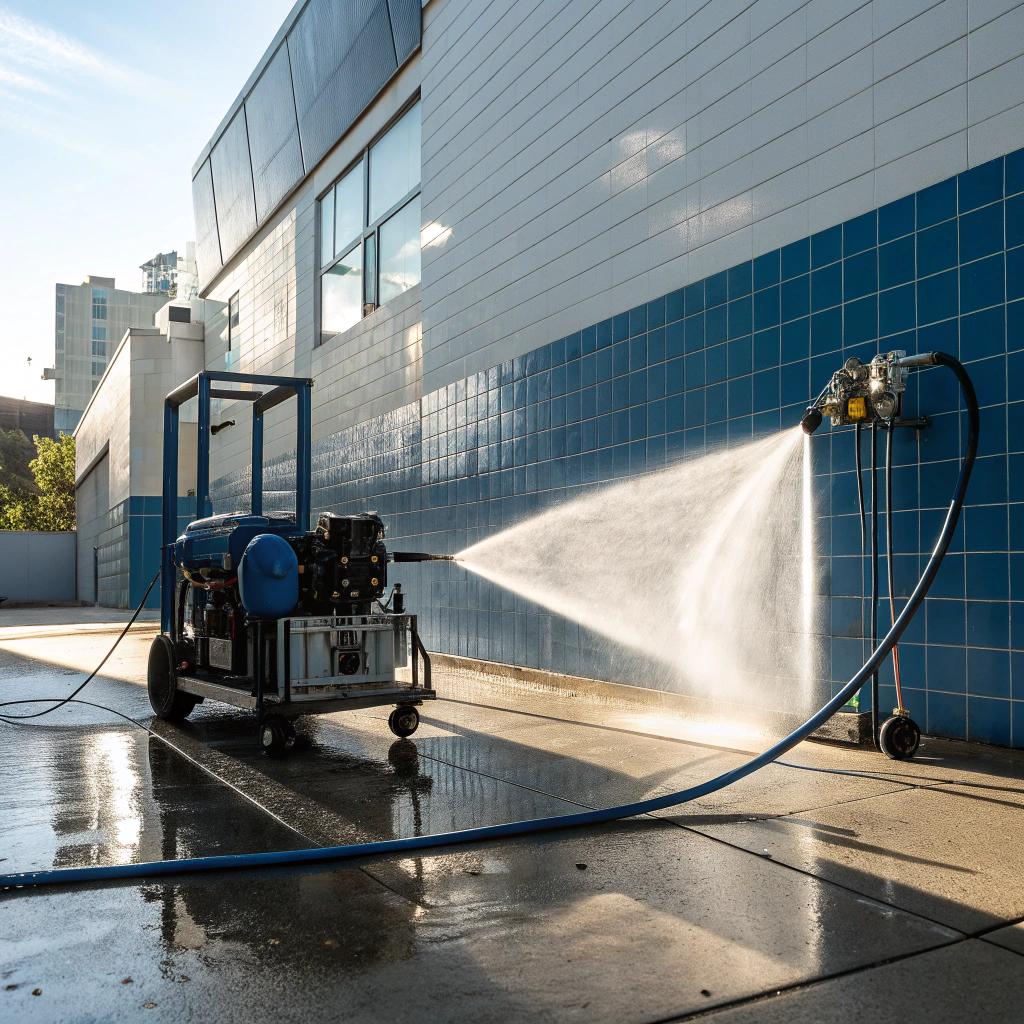
Hydro jetting is basically power washing for your plumbing pipes.
A plumber brings in a machine that pressurizes water to a very high level, often 3,000 to 4,000 PSI or more. A flexible hose with a special nozzle goes into your drain or sewer line. When they turn it on, jets of water blast forward to break up clogs and backward to pull the hose through the line and scrub the pipe walls.
The backward jets clean the sides of the pipe. The forward jet clears what is ahead. All that gunk then flows out to the main sewer.
So instead of just poking a hole through a clog, hydro jetting removes:
– Grease layers from kitchen lines
– Food sludge that has stuck over time
– Soap scum and hair in bathroom lines
– Tree roots (within reason) in main sewer lines
– Mineral scale in older systems
You end up with something closer to the original pipe diameter. That is why lines that have been jetted tend to drain faster and stay clear longer than lines that only got snaked.
Why fast clog removal actually matters for your life and business
On paper, a clogged drain looks like a small thing. In real life, it rarely stays small.
Slow drains and backups interrupt routines. If you run a business, they can carelessly interrupt revenue. If you work from home, a backed-up sewer can throw off your entire workday. And if you are dealing with tenants or customers, plumbing issues can damage trust faster than you might think.
Here is how I would look at it from a growth lens:
“Every unresolved clog carries hidden costs: lost time, distraction, property risk, and mental drag. The dollar amount of the repair is only one piece of the decision.”
When a main line backs up:
– You might need to close a business for the day.
– Staff are dealing with cleanup instead of customers.
– Customers see a restroom out of order and quietly decide not to come back.
– At home, family routines get disrupted, stress goes up, and people start arguing about who flushed what.
Fast, decisive clog removal is not about perfection. It is about keeping your environment stable so you can focus on actual growth work: sales, strategy, learning, or simply rest.
Hydro jetting fits into this mindset because it is one of the few methods that does not just touch the symptom. It goes after the underlying buildup that tends to cause repeat trouble.
Hydro jetting vs snaking vs chemical cleaners
You have options. Not every clog in Temecula needs hydro jetting. Sometimes a $10 plunger really is enough.
Here is a simple comparison in words, beyond the table at the top.
Snaking (drain auger)
A plumber feeds a metal cable down the line. The tip either grabs or breaks up the blockage.
Good for:
– Single, isolated clogs near a sink or toilet
– Soft obstructions like paper or a small object
– Situations where you just want something usable again fast
Limitations:
– It often just drills a small channel through a much wider blockage
– It does not clean the pipe walls
– Grease and sludge stay, so clogs can return soon
I like snaking when the problem is small and rare. For example, your bathroom sink suddenly stopped draining after years of fine performance. That is a good snaking candidate.
Chemical drain cleaners
These are the bottles from the hardware store. You pour them in and hope they dissolve the clog.
They are risky on older pipes, especially metal. They can also sit on top of a solid clog and do nothing, or worse, heat up and damage the pipe.
For serious clogs or recurring problems, they are more like a lottery ticket than a plan.
Hydro jetting
Think of hydro jetting as a full line reset for many systems.
It is best when:
– You have recurring sewer backups.
– Multiple fixtures are backing up at once.
– A snake keeps helping for a few weeks then the problem returns.
– You suspect heavy grease (restaurants, food businesses, big families who cook a lot).
– You want the line inspected with a camera and cleaned in one visit.
Is it overkill for a small, first-time clog? Often, yes. That is where people overreact. Not every slow drain needs a 4,000 PSI treatment. But when you see patterns, hydro jetting is usually the honest fix.
How hydro jetting works step-by-step
If you have never seen it done, the process can sound a bit mysterious. In practice, it is fairly methodical.
1. Inspection
Most good plumbers will start with a camera inspection, especially for main sewer lines.
They send a small camera through the line to see:
– Where the blockage is
– Whether the pipe is broken, sagging, or collapsed
– What caused the clog: roots, grease, foreign objects, or a combination
This part matters more than people think. If the pipe is cracked or partially collapsed, aggressive jetting might harm it. A camera gives the technician a better plan and also gives you video proof of what is going on.
2. Choosing the right nozzle and pressure
Hydro jetting is not just “turn it up and blast.” That would be lazy.
There are several nozzle designs:
– Penetrating nozzles for tough blockages
– Rotating nozzles that spin water jets to scrub more evenly
– Specialized root-cutting nozzles
The plumber selects:
– The nozzle
– The water pressure
– The flow rate
based on your pipe size, material, and the clog type.
This part is where skill comes in. An experienced technician in Temecula who works on older homes, newer tracts, and commercial lines will know how much power each type of pipe can safely take.
3. Jetting the line
Once the equipment is set up, the hose goes into the clean-out or another access point.
The water jets:
– Break up the clog ahead of the nozzle
– Pull the hose forward using reverse jets
– Scrub the pipe walls as the nozzle moves
During this, the plumber usually moves the hose back and forth several times to get consistent cleaning.
In a typical residential job, the active jetting part might take anywhere from 30 minutes to a couple of hours, depending on length and condition of the line.
4. Final inspection
After jetting, many plumbers will send the camera back through.
You then see:
– Whether the blockage is completely gone
– Whether roots or heavy scale remain
– If the line has structural issues that cleaning cannot fix
I like this part because it turns a mystery into a clear picture. You can make better decisions when you actually see your pipes.
Is hydro jetting safe for Temecula homes and businesses?
This is where there is a lot of confusion.
Some people think high-pressure water will blow their pipes apart. Others think it is always safe. The truth is in the middle and depends mostly on three things:
– Pipe condition
– Pipe material
– The tech using the equipment
Hydro jetting is generally considered safe for:
– Newer PVC sewer and drain lines
– Well-maintained older lines that are not cracked or crumbling
– Commercial drain lines designed for regular cleaning
It can be risky for:
– Very old, brittle clay pipes with significant cracks
– Old galvanized steel lines already flaking and thinning
– Any line that is partially collapsed or severely offset
This is where the camera inspection is not just a bonus. It is protection.
“A good rule of thumb: if the pipe is so weak that proper jetting will break it, it was probably close to failure already.”
In practice, serious problems from hydro jetting are rare when the technician is patient and careful. The real danger is rushing, ignoring signs of pipe damage, or using the same setup for every job.
If a plumber in Temecula suggests hydro jetting without wanting to assess the line first, it is okay to push back and ask why. You are not being difficult. You are just doing your job as the owner of the property.
Realistic cost ranges in Temecula and what affects the price
Prices move around, but most residential hydro jetting jobs in the Temecula area usually land in a few common brackets.
You might see something like:
| Type of job | Typical range | Common factors |
|---|---|---|
| Simple residential main line | $300 – $500 | Easy access, average sludge/roots |
| Long or complex residential line | $500 – $800 | Limited access, severe buildup, multiple passes |
| Small commercial (cafe, small office) | $400 – $900 | Grease, multiple lines, scheduling off-hours |
| Heavy commercial (restaurant, food facility) | $800+ | Thick grease, bigger equipment, more labor |
The main drivers of cost are:
– Length of the line
– Severity of the blockage
– How hard it is to reach the line
– Whether you also want a recorded camera inspection
– Time of day and urgency
Emergency after-hours service usually costs more. But again, compare that to the cost of lost sales, water damage, or tenant complaints. A slightly higher fee at 10 pm is sometimes the smarter bargain.
When hydro jetting is the smart move (and when it is not)
You probably do not want to call a plumber every time your sink gurgles. So here is a practical way to think about when hydro jetting makes sense.
Good candidates for hydro jetting
You should seriously consider hydro jetting when:
– You have had the same line snaked several times in the last year.
– More than one fixture is backing up at the same time.
– Sewage is backing up into a tub or shower at a low point.
– You own or manage a business where clogged drains hurt your reputation.
– You are buying an older property and want to start with clean sewer lines.
For business owners, especially in food service, I would almost treat jetting as part of routine maintenance. Not every month, of course, but on a regular schedule based on how your drains behave.
Situations where hydro jetting might be overkill
Hydro jetting is probably not needed if:
– Only one sink is slow, with no history of problems.
– You just dropped something like a small toy, and you know the exact issue.
– The building is new, and this is the absolute first sign of trouble.
In those cases, starting with snaking or basic clearing is sensible. You can always escalate later.
“Treat hydro jetting like you would a full physical checkup: not for every small headache, but exactly right when you see repeating patterns or bigger warning signs.”
Hydro jetting and business growth: a less obvious connection
Since you are interested in business and life growth, let’s zoom out for a moment.
Clogs often show up in our lives in the same way they do in pipes. Slowly. Then suddenly. A little slow draining here, a little gurgling there. You ignore it because other priorities seem bigger.
In business:
– Small issues in customer experience accumulate.
– Messy processes pile up “sludge” in your operations.
– You keep doing patch fixes instead of clearing the root cause.
Hydro jetting is a useful mental model. It reminds you that:
– Sometimes you need a strong, focused cleanout, not one more small patch.
– There is value in stopping and inspecting your “system” with a camera view.
– Maintenance is cheaper than repeated emergencies.
If a recurring plumbing issue is stealing attention from your actual growth work, the real cost is not the jetting bill. It is the distraction tax you pay every time the same problem returns.
I have heard business owners say things like, “We dealt with sewer backups three times this year. Each one wiped out a day of sales and focus.” When you add that up, proactive jetting suddenly looks like a growth decision rather than just maintenance.
What to expect during a hydro jetting visit
If you have never booked hydro jetting before, you might be a little unsure what the visit will feel like in real life.
Here is a rough picture.
Before the plumber arrives
You might need to:
– Clear access around clean-outs, especially in garages, yards, or near restrooms.
– Tell family members, staff, or tenants that drains may be briefly out of service.
– Have a basic idea of your plumbing layout if you know it.
For businesses, deciding whether to schedule during closed hours or slow times helps a lot.
During the service
A typical visit includes:
– Walking the property and identifying access points
– Camera inspection if requested or needed
– Setting up the jetting machine, usually outside or in a service area
– Running the hose and nozzle, then cycling through sections of the line
– Testing fixtures (toilets, sinks, floor drains) after jetting
There will be some noise from the machine and maybe a bit of water near the clean-out, but it should not be a chaotic mess. If sewage has already backed up inside, cleanup is a separate task and sometimes billed separately.
After the service
You can expect:
– Faster draining fixtures
– Reduced gurgling and bubbling sounds
– Less frequent backups, assuming the line is in good structural shape
You should also get some feedback from the plumber:
– What they found
– Any weak spots in the line
– Their honest guess about how often you might need maintenance
If you do not get this information, ask for it. You are not just paying for clean pipes. You are paying for insight into how to avoid this whole scenario repeating on a bad day.
Hydro jetting as part of a larger maintenance strategy
Hydro jetting is powerful, but it is not magic. If you keep feeding your drains constant grease, wipes, and other trash, the line will clog again.
Building a simple routine will help you spread out jetting visits and keep your costs lower over time.
Better daily habits
Some basic habits that actually make a difference:
- Use sink strainers in kitchen and bathroom sinks.
- Wipe greasy pans with a paper towel before washing.
- Do not flush wipes, even if the package says “flushable.”
- Limit food solids going into disposals; they are not garbage cans.
- Teach kids and staff what should never go down the toilet or drain.
None of this is glamorous. But over a few years, it really affects how often you need heavy cleaning.
Maintenance schedule for businesses
For certain Temecula businesses, especially those with food preparation, hydro jetting on a set schedule can be part of risk control.
A rough pattern some owners follow:
– Heavy grease restaurant: every 3 to 6 months
– Moderate food traffic: every 6 to 12 months
– Office with normal use: usually only when problems show up
The right schedule comes from experience with your own line. Start with how often clogs have happened in the past. Then adjust after you see how clean the line stays post-jetting.
Questions to ask a hydro jetting provider in Temecula
If you are reading this, you are probably not a plumber. You should not need to become one to make a good decision, but a few targeted questions help a lot.
Here are some useful ones:
- “Do you perform a camera inspection before or after jetting?”
- “What pipe materials and sizes do you work with most in this area?”
- “Have you worked on homes or buildings from the same era as mine?”
- “How do you decide the right pressure level for my system?”
- “Will I get a video or photos of the inside of my line?”
- “If you find damage, what are my repair options and rough cost ranges?”
You do not need perfect technical answers. You are just listening for clarity, experience, and a calm, practical attitude. If someone sounds annoyed you are asking, that is a small red flag.
How hydro jetting connects with long-term property value
One part that people rarely think about: clean, working plumbing shows up indirectly in property value.
No buyer will say, “I spent extra because the sewer was recently jetted.” They will, however, walk away fast if:
– A home inspection reveals chronic backups.
– A commercial space smells like sewer near floor drains.
– The report mentions an unaddressed drain issue.
Scheduling hydro jetting before listing a property, paired with a camera inspection, can give you a simple statement: “Main sewer line cleaned and inspected, video available.” That is not magic, but it does lower friction during negotiation.
For an investor or owner who wants to grow net worth quietly, that kind of quiet reliability adds up.
Common myths about hydro jetting
Let’s clear up a few common beliefs that float around.
“Hydro jetting will always damage old pipes”
Not always. Old does not automatically mean fragile. Some older lines are in surprisingly decent shape. Others are in bad shape and will fail soon no matter what you do.
Hydro jetting can accelerate failure in already broken pipes, yes. But that is often revealing a problem, not creating it.
“A snake did the job once, so that is all I ever need”
A snake can be enough in some cases. But if you keep having the same issue in the same place, the snake is not curing the real cause. It is only buying you short periods of relief.
Repeating a method that only gives short-term results is not cost-effective, no matter how cheap each visit looks.
“Hydro jetting is only for commercial properties”
Not true anymore. Residential hydro jetting is very common now, especially in areas with:
– Many mature trees
– Older neighborhoods with mixed piping materials
– Heavy kitchen use at home
It is normal for a single-family home to benefit from a full sewer line jetting every so often, especially if backups have been a pattern.
Linking plumbing decisions to how you manage your time and stress
Your drains might not feel like a “growth topic,” but look at it this way:
Every time you defer a known issue, you are borrowing stress from your future self. You gain a few days of peace, then pay it back with interest when the clog returns on a worse day.
Hydro jetting is one of those tools you use when you are ready to stop repeating the same emergency:
– You pay once for a deeper fix.
– You get a clearer picture of what is going on underground.
– You shift your attention back to work, family, or health instead of wondering when the next backup will hit.
That is not glamorous. No one is bragging about clean sewer lines at networking events. But, quietly, these are the types of decisions that support steady growth.
So if you are staring at repeated drain problems in Temecula and feeling stuck between another cheap patch and a more serious fix, ask yourself one simple question:
“Would I rather keep managing recurring mini-crises, or handle the root issue so I can focus on better problems?”
Common questions about hydro jetting in Temecula
How long does hydro jetting take?
Most residential jobs run 1 to 3 hours on site, from setup to final testing. Complex commercial lines can take longer, especially if multiple runs or hard-to-reach access points are involved.
Will hydro jetting fix bad pipe slopes or sagging lines?
No. Hydro jetting cleans the inside of the pipe but does not change the physical slope or repair a “belly” in the line. It can clear standing water and buildup in a sagging spot, but if the structure is flawed, recurring issues may still happen until the section is repaired or replaced.
How often should I get hydro jetting done?
For many homes with healthy habits, only when problems show patterns. For businesses with heavy use or grease, it can be every few months to once a year. The right rhythm should come from what your camera inspection shows and how quickly buildup returns.
Can hydro jetting remove tree roots completely?
It can cut and flush many roots that have intruded into a sewer line. But if roots are getting in, that means there are cracks or gaps. Clean lines will eventually see roots again unless the damaged sections are repaired or replaced.
Does hydro jetting make sense before buying a property?
In many cases, yes. For older properties or any place with hints of past plumbing issues, a camera inspection with cleaning is a small price compared to the cost of discovering a failing sewer line after you move in. It gives you leverage to negotiate or plan repairs realistically.
If you look at your current drain situation in Temecula right now, what would help you more: another short-term patch, or a deeper reset that frees your focus for the rest of the year?