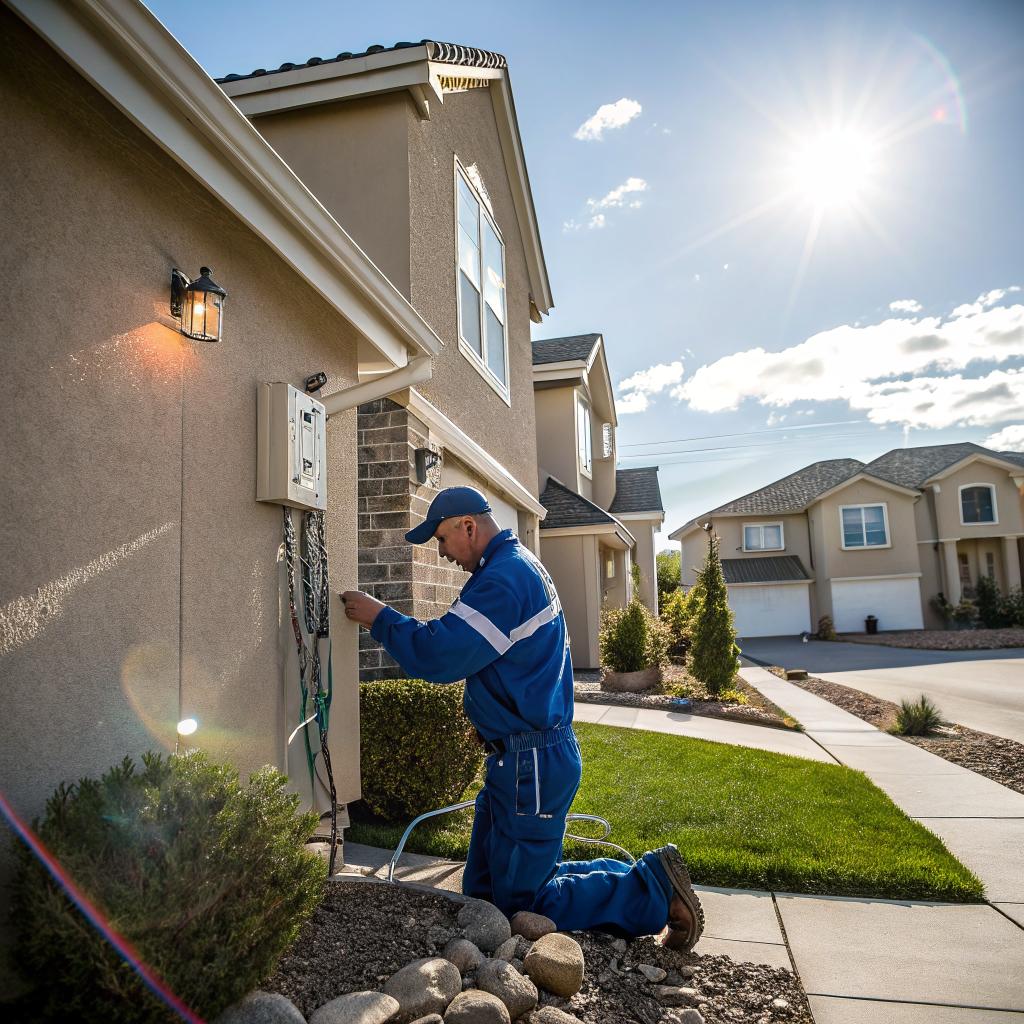
| Topic | Quick View |
|---|---|
| What to do first | Stop the water, call experts, document everything |
| Why experts matter | Faster drying, mold prevention, true cost control |
| Average response window | First 24–48 hours are critical |
| Biggest hidden risk | Mold in walls and under flooring |
| Business lesson | Treat water damage like any crisis in your life or company: speed + clarity |
Salt Lake City water damage experts are worth calling the moment you see soaked drywall, warped floors, or that first suspicious stain on the ceiling. If you are in the middle of a mess already and want to skip straight to help, you can Visit our website and get someone on the phone. The short answer to whether you should involve professionals: yes, if water has touched anything beyond an easy to clean surface or has been sitting more than a few hours, you are taking a real risk if you try to manage it alone.
The reason this matters goes beyond a wet carpet. Water damage is one of those things that feels like a home issue, but it actually exposes how you handle risk, stress, and decision making in your life and business. You either have a process for emergencies, or you make it up under pressure. That is where a lot of people lose money, time, and energy they did not need to lose.
Why water damage in Salt Lake City hits harder than people expect
Salt Lake City has a strange mix of conditions. Dry climate for much of the year, heavy snow, quick thaws, and old neighborhoods mixed with new builds. On paper, it sounds manageable. In practice, it means this:
One week everything is dusty and dry. The next week you have a fast snowmelt, overloaded gutters, or a pipe that gives out after a cold snap. Or an upstairs neighbor has a leak and gravity does the rest.
I remember talking with a small business owner close to downtown. They said something like, “We are in Utah, we do not have real water problems.” Two months later a failed supply line above their office soaked an entire conference room and part of the open workspace on a Sunday morning.
They spent that Sunday pulling up carpet tiles, trying fans, and Googling things instead of calling someone. By Tuesday, people were complaining about a smell. By Friday, they were talking to their insurance company about mold.
The mistake is not the leak. The mistake is treating it like a small DIY task when it is already a structural and health decision.
So while Salt Lake City does not feel like a “flood town” every day, the mix of old plumbing, snowmelt, and random failures means almost every property will have some kind of water incident over time. The question is how expensive you let it become.
The first 24 hours: what actually matters
Most people underestimate how fast water moves through a building. It does not just sit on the surface. It travels under baseboards, into insulation, down wall cavities, between flooring layers.
If you look at the first 24 hours as a checklist, it looks something like this.
Step 1: Stop the source and stay safe
Turn off the water supply if it is plumbing related. If you are not sure which valve, do not overthink it. Turn off the main. If there is any chance of electrical contact, step away from standing water and cut power to that area.
This part sounds obvious, but in stress people forget.
No amount of saving drywall is worth getting shocked or injured. Your first job is to make the scene safe, not pretty.
Once the water is stopped and power is safe, then you move to the second part.
Step 2: Quick triage, not full cleanup
Here is where business habits can help or hurt you. If you are used to delegating and thinking in systems, you probably call a restoration company quickly and then focus on what you can do while they are on the way.
If you are used to doing everything yourself, you might spend three hours with towels and a shop vac before making that call. Those hours matter.
Good use of your time in that window:
- Move furniture, electronics, and documents out of the wet zone
- Take photos and short videos of the affected areas
- Write a quick timeline of when you first noticed the problem
Bad use of your time:
- Pulling off baseboards and cutting random holes in drywall without a plan
- Trying to guess what the insurance will cover instead of documenting everything
- Arguing with family or employees about whose fault it is
That last one might sound a bit harsh, but I have seen people spend more energy on blame than on action. Water does not care who caused it.
Step 3: Call experts before it smells “off”
Smell is a late signal. By the time an area has that damp, musty odor, there is a good chance mold or bacteria are already growing.
The usual pattern looks like this:
| Time since leak | What you see | What might be happening behind surfaces |
|---|---|---|
| 0–4 hours | Visible pooling water, wet surfaces | Water starting to wick into drywall and framing |
| 4–24 hours | Carpet saturated, paint maybe bubbling a bit | Moisture spreading through cavities and insulation |
| 24–72 hours | Musty smell, warping, staining | Microbial growth, higher risk of mold colonies |
| 3–7 days | Visible mold, strong odor, soft drywall | Mold spreading, structural materials starting to break down |
People often think they can “wait and see.” In practice, waiting turns a drying job into a demolition job.
What real Salt Lake City water damage experts actually do
A lot of homeowners imagine restoration is just industrial fans and dehumidifiers. That is part of it, but only part.
You can think of a proper team as doing four main things.
1. Inspection and moisture mapping
They do not just look at what’s visibly wet. They use moisture meters and sometimes thermal cameras to see where water has traveled. They map that out.
It sounds technical, but the logic is simple. If you dry only what you see, you leave wet pockets behind. Those pockets become mold sources, ceiling stains later, or that one wall that never quite feels right.
In business terms, this is like checking the whole balance sheet instead of just the bank account. You are looking for hidden exposure, not just what is easy to spot.
2. Water extraction and structural drying
Once they know the affected area, they pull out standing water. Then they set up drying equipment in a way that moves air across the right surfaces and removes moisture from the air.
If you have ever used a small fan in a humid room and wondered why it is not helping, this is the opposite of that. There is a setup, not just “more fans.”
There is also daily monitoring. A good company tracks moisture levels and adjusts equipment placements. Drying is not instant. It is a process, and checking progress keeps it from dragging on for weeks.
3. Cleaning, sanitizing, and mold prevention
Water is not just H2O from a lab. It often carries dirt, bacteria, or other contaminants, especially if it came from a drain, a burst toilet supply, or ground water.
So surfaces need cleaning and sometimes disinfecting. Porous materials might need to be removed if they cannot be salvaged safely. This part is not about being picky or neat. It is about health.
For people with allergies or respiratory issues, this stage matters more than they realize. Even a small amount of leftover moisture with the wrong debris can make a space uncomfortable or even unsafe.
4. Coordination with insurance and repairs
This is where you see the link between property damage and business skills. Good restoration teams are used to documenting, communicating, and coordinating with insurance adjusters.
They prepare estimates, share moisture reports, and help explain what needs replacement and what can be restored.
From there, repairs can range from minor patching and paint to full replacement of flooring, drywall, or cabinets. It is not always dramatic, but it can be if the incident sat a while.
You are not just paying for machines and labor. You are paying to shorten the time between “crisis” and “back to normal.”
What this teaches you about business and life growth
This might sound strange at first, but the way you deal with water damage is very similar to how you deal with problems in your life, your career, or your company.
Speed vs panic
You need to move fast without spinning out.
In a leak, that means:
- Stop the source
- Call help
- Start simple protective actions
In business, when revenue dips or a key person quits, it means:
- Stop the bleeding where you can
- Talk to someone who has solved this before
- Get basic facts, not rumors
The pattern is similar. People either freeze, or they panic and do twenty random things. Neither works well. The sweet spot is quick, focused, and grounded in reality.
Short term cost vs long term cost
There is always a temptation to save money by doing less today.
With water, that might be saying:
- “We will just air it out for a few days.”
- “We do not need someone to cut into the wall, that seems over the top.”
Maybe you save a few hundred dollars at the start. Then later you spend thousands on mold remediation or more extensive rebuilds.
In life, it looks like skipping health checkups, or delaying hard conversations, or ignoring small problems in your business systems.
The trade is the same: a small known hit now vs a large unknown hit later. It is easy to choose comfort in the moment, but that choice compounds.
Documentation as a habit
Most people only document well when someone forces them, like a legal requirement or a demanding boss.
Water damage forces you to document if you want a smooth insurance claim:
- Photos and videos from different angles
- Receipts and invoices
- Timeline of what happened and when
If you carry that habit into your business life, you have better reports, clearer decisions, and much easier reviews. It is not glamorous. It is honest record keeping.
The mindset shift: from “this should not happen” to “things break”
Many people waste energy on shock.
“This should not happen.”
“We just replaced that pipe.”
“We live in a dry climate.”
The reality is that things fail. Pipes, roofs, people, systems, markets. If you treat failure as a rare insult, you are less ready. If you treat it as a normal part of life, you build systems for it.
That is one quiet benefit of working with experts. You see how they behave in chaos. Calm, structured, focused. You can borrow that mindset.
Types of water damage Salt Lake City property owners face
It might help to break things into broad categories. The exact phrases restoration companies use can vary, but the ideas are pretty common.
| Type | Source | Typical risk |
|---|---|---|
| Clean water | Supply lines, broken pipes, sink overflow | Least contaminated at first, risk rises over time |
| Gray water | Appliances, showers, some drain lines | Some contamination, can cause sickness |
| Black water | Sewage backups, flood water, long-standing water | High health risk, often needs more removal and disinfection |
Most people do not have these terms in their head when a leak happens, but they instinctively know something is “gross” or not.
If you are not sure, it is safer to treat it as if it might be contaminated, especially if it comes from below ground level or touches sewage systems.
Where business growth meets property protection
If you run a business in Salt Lake City, water damage is not just a property problem. It is a continuity problem.
Think about a small office or retail space:
- Lost work days during drying and repairs
- Equipment damage
- Customer perception if they walk into a musty space
This is where planning ahead pays off. Not obsessively, but enough to reduce chaos.
Simple prep steps for owners and managers
You do not need a massive emergency plan, but you can at least have:
- A clear list of shutoff valves and breakers, with labels
- Basic training for staff on who to call and what to do first
- Digital backups of key documents that could be damaged on-site
I talked once with a manager who kept a laminated “water incident card” taped inside the janitor closet. It listed the main shutoff, the restoration company number, and a quick checklist.
They said they made it after realizing nobody on staff knew where the water shutoff was during a small leak. That card looked almost silly in a calm moment, but in an emergency it shortens confusion.
Personal growth angle: how you handle messes
There is also a more personal angle.
When your space gets soaked, your nervous system goes into a kind of survival mode. You worry about money, time, safety, embarrassment. You might feel anger at yourself for not catching something sooner.
This is where you see your stress patterns:
- Do you shut down and avoid?
- Do you try to control every small detail?
- Do you reach out to someone who knows more, or do you hide the problem?
None of those are “good” or “bad” in a moral sense. They are just patterns. But if you watch yourself closely during real stress, like water damage, you learn something honest about yourself.
Property disasters are not just about drywall and flooring. They give you a mirror for how you handle life when it stops being neat and scheduled.
You can then decide if you like what you see or if you want to change your default behavior for the next crisis, whatever form it takes.
Common mistakes Salt Lake City owners make after water incidents
You might already know some of these, but seeing them written out can help you avoid them.
1. Waiting to see if it dries on its own
This is the big one. The air feels dry in Utah, so people assume “it will just evaporate.” On the surface, maybe. Inside walls and floors, not so much.
Moisture can stay trapped, especially in insulation, subflooring, or behind vapor barriers. It is invisible until damage shows up later.
2. Throwing away everything too fast
The opposite mistake is panic demolition.
People rip out entire sections of flooring, cabinets, or drywall without any assessment. Some of that might have been salvageable with proper drying.
It is a bit like firing half your team at the first sign of revenue trouble. Sometimes cuts are needed, but not blind cuts.
3. Not reading the insurance policy until after the problem
Insurance is confusing even on a good day. In an emergency, it is worse.
If you have a property or business, it is worth spending a calm weekend reading through your policy once. Or at least asking your agent to explain what is covered for:
- Pipe breaks
- Ground water
- Sewer backups
- Mold
You might not remember every detail, but you will have a rough sense of what to expect and what to document if something happens.
4. Ignoring small recurring leaks
That slow drip under a sink, the recurring stain on a ceiling tile, the valve that “only leaks a bit” when turned.
Over time, small leaks can do more total damage than a big dramatic incident that gets fixed right away.
If something keeps coming back, that is your signal that the root cause was not addressed.
Water, fire, and the bigger resilience picture
While this article is focused on water damage in Salt Lake City, most restoration companies also handle fire and smoke damage. Those events are more rare, but more intense.
There is a pattern here:
- Fire disasters are obvious and dramatic
- Water disasters are quieter and more common
Both ask the same questions of you as a person and a leader:
- How prepared are you for sudden disruption?
- How quickly can you shift from denial to action?
- Do you have people you trust to call when you are out of your depth?
You do not need to live in fear of every pipe and wire. That would ruin your day. But you can accept that life and business include shocks. And you can choose what kind of person you want to be in those moments.
Turning a mess into a reset
If you are going through water damage right now, it probably feels like pure hassle. I will not pretend there is some deep poetic meaning in a soaked carpet. Sometimes it is just annoying and expensive.
Still, there is a small chance inside it.
When people have to move furniture, open up walls, and rethink a room layout, they sometimes realize:
- They kept things they did not care about
- The layout did not match how they actually live or work
- The systems in the building were held together by luck, not design
After repairs, they set things up more intentionally. Better storage, clearer wiring, labeled valves, updated plumbing. The physical reset nudges a mental reset.
The same can happen in a business space:
- You reorganize where equipment sits
- You create clear written processes
- You put important documents in cloud storage instead of one filing cabinet
It is not that the damage was “worth it.” That would be easy to say from the outside and not very fair. But if you are stuck dealing with it anyway, you might as well let it improve your next chapter.
Questions people ask about Salt Lake City water damage experts
Do I always need a professional, or can I handle small leaks myself?
If water is limited to a hard surface, like a small spill on tile or a minor splash that you catch fast, you can usually handle it yourself.
If water has soaked into drywall, insulation, subflooring, carpet padding, or has been sitting more than a few hours, professional help is usually the smarter path. The cost of hidden damage later is often higher than the cost of proper drying now.
How fast should I expect a response?
Many restoration teams aim to respond within hours for urgent calls, especially when there is active leaking or standing water. That said, traffic, multiple events, or storms can slow things down.
What matters more than the exact number of minutes is that you:
- Stop the source as best you can
- Start basic protection of your belongings
- Get yourself in a queue with a team that knows what it is doing
Is it worth thinking about this before anything goes wrong?
I think so. Not obsessively, but enough that you:
- Know where your main water shutoff is
- Have one or two trusted numbers saved in your phone
- Understand that calling help early is not overreacting
That small bit of preparation can save you hours of chaos and, in some cases, thousands of dollars.
The real question is this: when something in your space breaks, do you want to be the person who freezes, the person who panics, or the person who takes a breath, makes two clear calls, and gets to work on what you can control?