| Problem | Fast Fix | Time Sensitivity | DIY or Pro? |
|---|---|---|---|
| Basement flooding / standing water | Check power, reset pump, clear pit, call for sump pump repair Hackensack NJ if still not working | High – hours can matter | Pro, after basic checks |
| Sump pump running nonstop | Inspect float, pit, discharge line; test with water | Medium to high | DIY check, pro repair |
| Strange noise or burning smell | Unplug immediately and call a technician | High | Pro only |
| Power outage flooding risk | Use battery backup or portable pump | High during storms | Mix of DIY and pro |
Your wet basement will not fix itself. If water is already on the floor, or the pump is acting strange, you have a clock running. This is why getting a working plan in place for sump pump repair in New Jersey actually matters for your home and, oddly enough, for your sanity and long term finances. A failed pump is not only about water, it is about mold, ruined stored items, damaged drywall, and a constant feeling of “what if the next storm hits tonight?” Having a clear view of what to check first, when to call help, and how to think about upgrades turns a messy problem into a manageable project.
Why sump pumps in New Jersey fail at the worst time
If you live in New Jersey, you already know how fast a heavy rain can fill gutters, drains, and everything else.
Basements here deal with:
– High water tables in many towns
– Sudden storms
– Older housing stock with aging foundations
So when a sump pump stops working, it is rarely a small problem. It usually shows up at night, during a storm, when everything feels a bit chaotic.
I sometimes think of pumps as quiet employees in the house. They work every time it rains, they do not complain, and then one day they just quit without much warning.
A sump pump failure is rarely “just bad luck.” It is often the result of skipped maintenance, aging equipment, or a mismatch between pump capacity and actual water load.
If you treat the pump as part of your home strategy, not as a forgotten box in the corner, your odds of a flooded basement drop a lot.
Fast checks when your basement is getting wet
If you walk downstairs and see water where it should not be, your mind jumps to the worst case. Try to keep a small checklist in your head.
Step 1: Confirm if the sump pump is running
Stand near the pit.
– Do you hear the pump motor?
– Do you see water moving in the pit?
– Is the discharge pipe outside moving water away from the house?
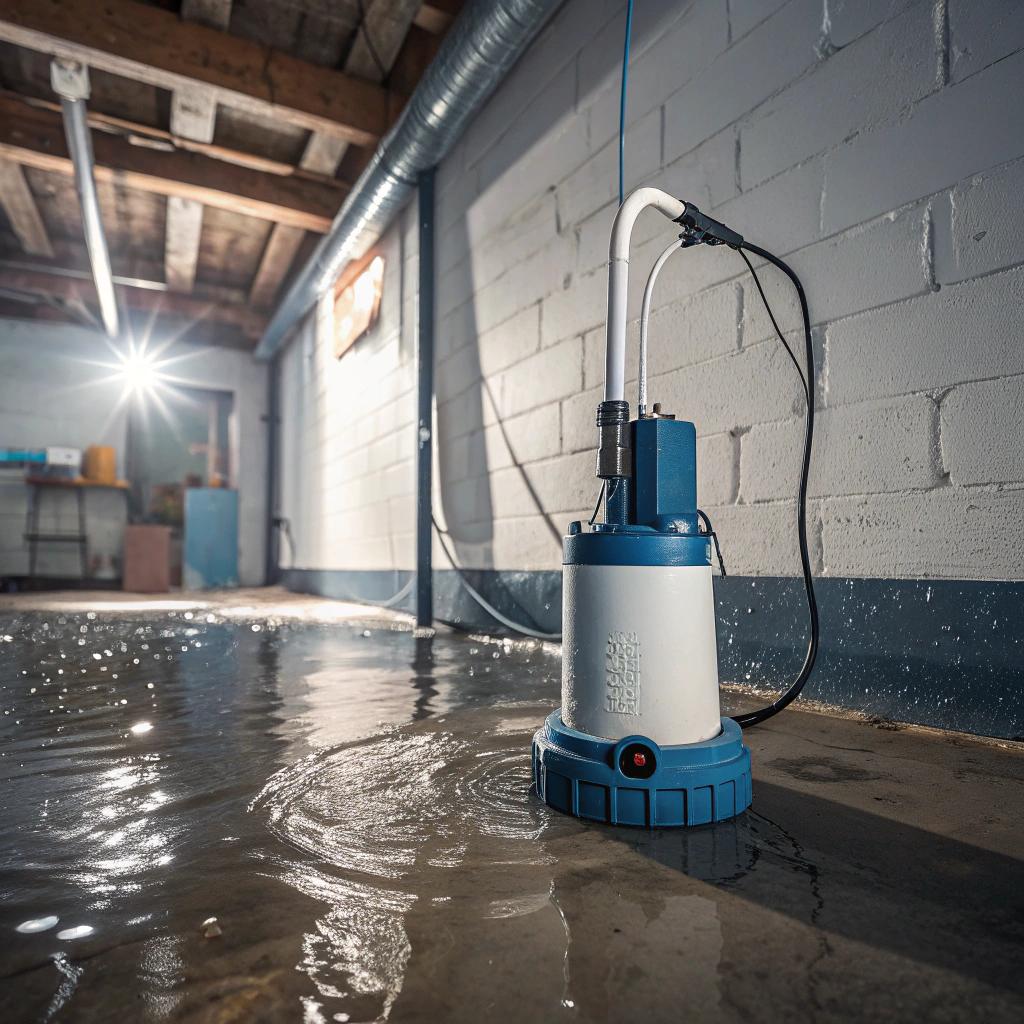
If the pump is silent during heavy rain and the pit is filling, something is wrong.
Sometimes, though, the pump is working but the water can not get out. That is a drainage problem, not a motor problem.
Step 2: Check basic power issues
This sounds too simple, but it is often the cause.
– Look at the outlet. Is anything else plugged in and working?
– Check the breaker panel. Has the circuit tripped?
– If the pump is on a GFCI outlet, press the reset button once.
Do not keep flipping breakers over and over. If it keeps tripping, there could be a short or internal damage.
If restoring power makes the pump run with a grinding noise, shut it off again. Saving the motor is less important than avoiding a fire or bigger problem.
Step 3: Inspect the pit and the float
Lift the sump pit cover.
You might see:
– Debris, gravel, or small toys
– A float stuck under the pit wall
– A float jammed under plumbing lines
Gently move the float up by hand. If the pump turns on, then the float was the issue.
If the float feels loose or damaged, the switch assembly may need replacement. That is usually a quick job for a professional, but it is not something many homeowners want to experiment with during a storm.
Step 4: Watch the discharge outside
Walk around the house and find where your pump sends the water.
Questions to ask:
– Is water actually coming out?
– Is the line clogged with ice, mud, or mulch?
– Does the pipe pitch downhill or does it sag and hold water?
If the line is frozen or blocked, pressure can build up and the pump will strain. Long term, that shortens motor life.
Common sump pump problems in New Jersey homes
Different regions see different failure patterns. In New Jersey, the main issues tend to be pretty predictable.
| Problem | What you notice | Likely cause | Risk level |
|---|---|---|---|
| Pump does not start | Rising water, silent pit | Power loss, failed switch, motor burnout | High |
| Pump runs nonstop | Constant motor noise, pit often low | Stuck float, check valve failure, water table pressure | Medium to high |
| Loud or strange noises | Grinding, rattling, squealing | Debris in impeller, worn bearings, loose piping | Medium |
| Frequent short cycles | On and off every minute or two | Small pit, improper float placement, partial clogs | Medium |
| Water still enters basement | Damp walls, seepage away from pit | Poor drainage, cracks, undersized system | High over time |
You might notice a tension here. On one hand, many of these problems sound simple. On the other hand, the cost of guessing wrong can be thousands of dollars in damage.
When sump pump repair is enough, and when replacement makes more sense
This is where homeowners sometimes get stuck. It feels wasteful to replace a pump that “still sometimes works.” At the same time, relying on an unreliable system is a gamble.
A rough rule that many pros quietly use:
– If the pump is under 5 years old and the issue is clear, repair is often fine.
– If the pump is over 8 to 10 years old and has already been repaired once, replacement is usually smarter.
Think of a sump pump like a business tool. If a crucial tool fails often and your income depends on it, you replace it before it takes you down at a bad moment.
The same logic applies to your home. You would not wait for a failing server to crash your business site during your busiest week. Your basement deserves similar planning.
Signs a repair is likely enough
- The float is clearly stuck, and freeing it restores normal operation.
- The check valve is failing and causing water to flow back, but the pump itself sounds normal.
- Minor wiring at the plug or switch area is loose but safe to correct.
- The discharge line is blocked, but the motor pulls water well once cleared.
These issues do not mean the pump is perfect, but they are often quick fixes.
Signs replacement is probably smarter
- The pump is older and the motor overheats or pauses often.
- The pump has noticeable rust, corrosion, or a cracked housing.
- You hear grinding sounds that do not go away after checking for debris.
- There have already been one or two repairs in recent years.
People sometimes argue with this, and I understand it. No one wants another bill. But when you add up the risk of mold, lost storage, and the emotional cost of worrying about every storm, a new pump starts to look like a reasonable investment, not a luxury.
Choosing the right sump pump for your New Jersey basement
Not all pumps are equal. You probably know that, but it can be hard to act on it when you are standing in the plumbing aisle.
Pedestal vs submersible pumps
| Type | Where it sits | Pros | Cons |
|---|---|---|---|
| Pedestal | Motor above pit, column down into water | Easy to access, often lower cost, simple to service | Noisier, less power, more in the way |
| Submersible | Unit sits inside pit, under water line | Quieter, usually stronger, better for frequent use | Harder to reach, usually higher cost |
In many New Jersey basements, submersible pumps are the standard choice. They handle higher volumes and fit better in finished spaces.
Capacity and head height
Two simple numbers matter:
– Gallons per hour (GPH) or per minute at a certain height
– The vertical lift needed to push water from the pit to the discharge point
If your discharge line goes up eight feet and then across the yard, you want a pump rated for that height, not just at “0 feet.” Some homeowners skip this and then wonder why the pump seems to run forever.
A quick mental check:
– High water area, frequent storms, deeper basements: lean toward higher capacity.
– Shallow pits, low water, rare storms: a modest but reliable pump can be fine.
Backup systems
New Jersey storms often come with power outages. That is the worst time for your main pump to stop.
You can add:
- A battery backup pump that sits in the same pit and turns on when power fails.
- A water powered backup pump if you have municipal water and suitable plumbing.
- A portable utility pump that you can drop into the pit temporarily in a pinch.
From a risk perspective, a backup pump is not overkill. It is simply respecting the reality that electricity is not guaranteed during the very storms that test your foundation.
The hidden link between a dry basement and personal growth
This might sound like a stretch at first. What does a sump pump have to do with business or life growth?
There is a pattern I keep seeing in homeowners and small business owners:
– People who handle infrastructure problems early tend to have more mental space for growth.
– People who ignore slow leaks, literal or financial, get pulled into crisis more often.
A wet basement is not just a home issue. It can be a metaphor for how you deal with risk.
You can ask yourself a simple question:
“Am I treating this sump pump problem as a random annoyance, or as feedback on how I manage my systems and planning?”
It is an honest question, not a moral one. Some seasons of life just do not leave room for more planning. But when you do have the space, fixing the weak spots at home builds the same habits you need in your work.
Basic sump pump maintenance you can actually keep up with
People often get overwhelmed by maintenance lists and then do nothing. So here is a simple version that a busy person can live with.
Monthly or after big storms
- Look into the pit. Remove obvious debris by hand or with a small scoop.
- Lift the float carefully to make sure the pump starts.
- Walk outside and check that water is discharging away from the foundation.
This takes about five minutes, maybe less once you are used to it.
Every 6 months
- Unplug the pump before touching anything internal.
- Inspect the check valve on the discharge line and listen for slamming or water returning.
- Clean the pit walls lightly if there is heavy silt or mineral buildup.
- Pour a bucket of water into the pit to test a full cycle.
Once a year
You can decide if you want to handle this or hire someone.
- Have a full inspection of the pump, float, check valve, and discharge line.
- If you have a battery backup, test the battery under load or replace it on a set schedule.
- Review if your pump size still fits your home after any renovations or drainage changes.
Some homeowners tie this to tax time or spring cleaning. Attaching the habit to a date already in your calendar helps.
Repair vs waterproofing: where the pump fits in the bigger picture
A sump pump is one part of a larger system.
You might fix or replace the pump and still see seepage on certain walls. That does not always mean the pump repair failed. It can mean the house needs broader waterproofing work.
Think of the full path:
1. Water falls from the sky.
2. It lands near your house or far away.
3. It runs across the surface or underground.
4. It either reaches your foundation or misses it.
5. Anything near the foundation tries to enter.
6. French drains, waterproofing systems, and sump pumps move that water out.
If steps 1 to 4 are ignored, you may lean too heavily on step 6. That is where some New Jersey homeowners get into trouble. They keep upgrading pumps but never fix grading, gutters, or perimeter drains.
I do not think everyone needs a full basement waterproofing project. That can be expensive and complex. But at least asking the question “Is this just a pump problem, or a bigger water management problem?” is a healthy step.
How fast you really need to act
There is a temptation to wait. To think, “The rain is slowing down, I can deal with this on the weekend.”
Sometimes that works. Many times it does not.
Here is a rough sense of timing:
| Situation | Recommended response time | Reason |
|---|---|---|
| Active flooding, water rising in pit | Same day, within hours | Protect structure, avoid heavy damage |
| Pump runs nonstop but no water on floor | Within 1 to 2 days | Prevent burnout and surprise failure |
| Occasional strange noises | Within a week | Caught early, often cheaper to repair |
| Old pump, no clear symptoms yet | Plan within a month | Schedule replacement before storm season |
I know this can conflict with real life. Work, kids, budgets, and stress all fight for priority. Sometimes the best you can do is at least schedule a date on your calendar to address the issue, even if you can not act the same day.
What to ask a sump pump repair company in New Jersey
If you decide to call a professional, you can make the call more useful with a few prepared questions.
Before they arrive
Have these points ready:
- How old is the current pump?
- How often does it run in heavy rain?
- What exactly did you see or hear when the problem started?
- Was there any recent construction, landscaping, or electrical work?
Then ask the company:
- Do you handle both pump repair and full waterproofing if needed?
- Do you stock common replacement parts and pumps on the truck?
- What is your typical response time during storms?
You are not trying to interrogate them. You just want a realistic picture of what will happen next.
During or after the visit
Good questions include:
- What caused the failure in your view?
- What would you do if this were your own basement?
- Is the current system sized correctly for this house and water level?
- What is the expected life of the new or repaired pump?
Sometimes you will get slightly vague answers, and that is not always bad. Water behaves in complex ways around soil and foundations. You are looking for honest reasoning more than perfect certainty.
Cost, risk, and how to think about the money side
Money is where many homeowners stall. You might be willing to pay for a strong solution, but you do not want to overspend on fear.
Here is one way to think about it:
– Estimate what a serious basement flood would cost you: flooring, drywall, stored items, maybe time off work.
– Compare that to the combined cost of a quality pump, possible backup, and periodic maintenance.
If the second number is far below the first, then the decision becomes easier. You are not buying a gadget; you are reducing the chance of a very expensive, very stressful event.
There is a parallel to business here. Many owners underinvest in backups or insurance until they get burned once. After that, they suddenly find the budget. You can skip the “getting burned” part at home if you want.
A small personal story to keep this real
A friend of mine in New Jersey thought his sump pump was “fine” because it made noise. It was at least 10 years old. The float had already been adjusted twice. He joked that the pump “had character.”
One summer storm, the pump ran, but the discharge line outside had slowly settled and now had a sag that held water. The pump kept trying to push against that resistance, overheated, and failed around midnight.
By morning, there were several inches of water in the finished part of the basement. The cost:
– New flooring
– Partial drywall replacement
– Mold treatment
– Lost storage boxes
– Several weeks of distraction and stress
He now has a new pump, a backup, and a better discharge line. The total cost of the improved system was less than half of what the flood cleanup cost.
He told me afterward that if someone had framed the choice that way earlier, he would have made a different decision years before. Sometimes we just do not see the trade clearly until later.
How all this ties back to your life and work
You might be wondering if you are overthinking a pump. Maybe. But the pattern you use here will probably show up elsewhere.
– Do you wait for crises or act on early warning signs?
– Do you treat “invisible” systems with respect, or only what people see?
– Do you invest in reliability where it counts, not everywhere, but in key spots?
I do not think there is a single right answer. Some people are natural planners; others respond better in real time. Both can work.
The point is, a wet basement is not just a home repair issue. It is a chance to practice clearer thinking about risk and resilience.
If you can handle water quietly, with a clear plan, you free up mental energy for the things you actually care about: your work, your family, your goals.
Common questions about sump pump repair in New Jersey
How long should a sump pump last in New Jersey?
Most pumps last around 7 to 10 years, depending on use and quality. In high water areas or during very active storm seasons, heavy use can shorten that. If your pump is over 8 years old and critical to keeping the basement dry, planning a replacement before failure is wiser than waiting.
Can I repair a sump pump myself?
You can handle basic checks and minor issues, like:
– Freeing a stuck float
– Clearing debris from the pit
– Resetting a GFCI outlet
– Checking the discharge line outside
Once you get into wiring, motor issues, or repeated tripped breakers, that leans toward professional repair. The risk of getting it wrong during a storm is high.
Do I need a battery backup pump?
If your area sees power outages and you rely on the sump pump to prevent flooding, a backup is smart. It may feel like an extra cost, but compare that to even one serious flood. For many New Jersey homes, a backup sits in the “necessary” column, not the “nice to have” one.
My pump runs all the time, but the basement is dry. Is that okay?
It is better than flooding, but it is not ideal. A constantly running pump might mean:
– A stuck float
– A high water table
– A check valve issue
– A pump that is undersized or struggling
Allowing it to run nonstop can shorten its life. It is worth having someone look at it before it fails during heavy rain.
What is one practical step I can take today?
If you do nothing else, at least do this:
Go to your basement, lift the sump pit cover, and pour a bucket of water into the pit. Watch what happens. Listen to the sound of the pump. Check where the water exits outside.
From that simple test, you will know if the pump even reacts, how it sounds, and whether the system is doing its basic job. From there, you can decide if you need to schedule a repair, plan an upgrade, or simply add a reminder to test it again before the next storm.
If you treat this as one small project rather than a huge drama, your basement and your future self will both be a little safer.