| Topic | Quick Answer |
|---|---|
| Best use of a car wrap in Colorado Springs | Brand visibility, paint protection, and style change without repainting. |
| Ideal buyer | Small business owners, service fleets, and drivers who want a new look or protection. |
| Average wrap life | 3 to 7 years, depending on film quality, install, and care. |
| Key business benefit | Mobile advertising that runs every day you drive. |
| Main risk | Cheap material or bad install can hurt your brand and your paint. |
| Local action step | Get a written quote, see real vehicles, and ask about film type and warranty. |
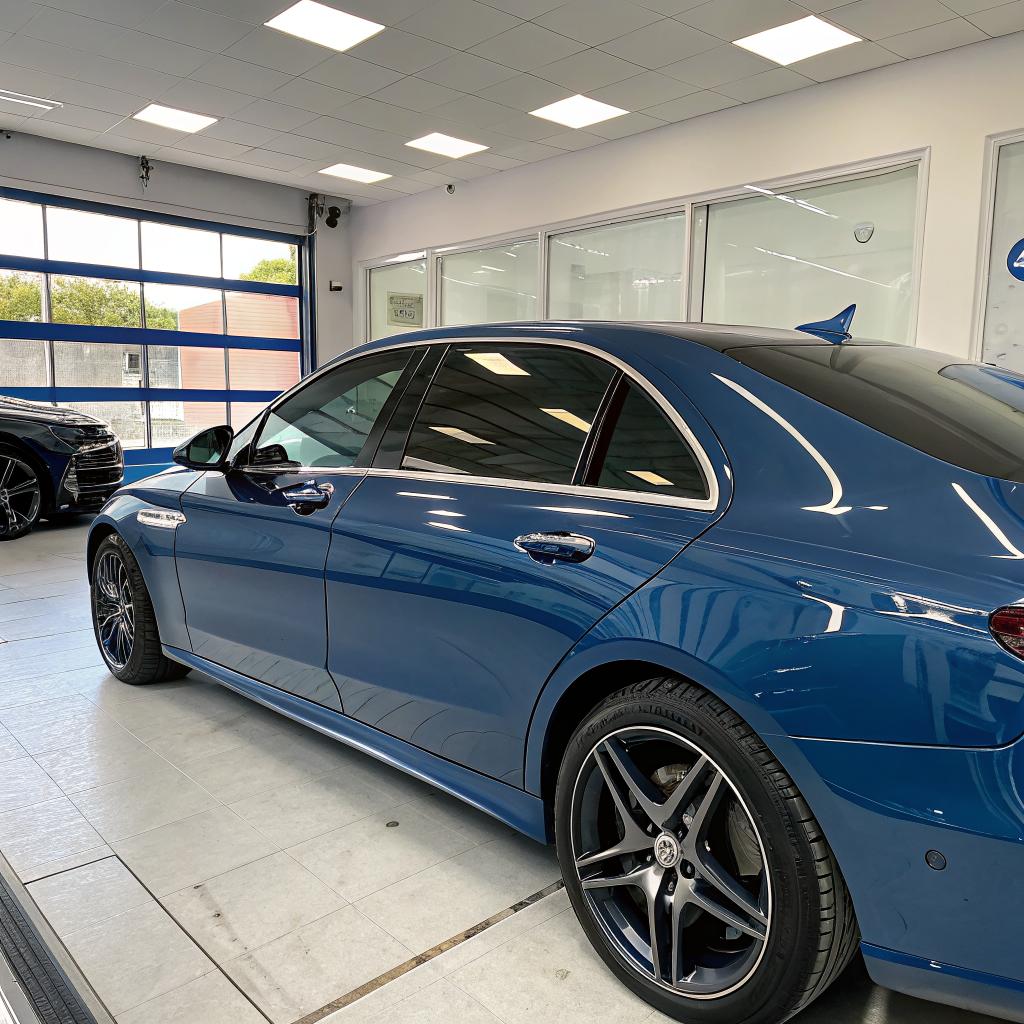
If you just want the short version: a good wrap in Colorado Springs turns your vehicle into a moving billboard, protects the paint from sun and minor wear, and can be taken off later without destroying the finish. A bad wrap does the opposite. The reason this matters for your business or your personal growth is simple. Your vehicle already costs you money. You can let it sit as an expense, or turn it into something that quietly sells for you every time it is on the road by working with a shop like RM Window Tint Colorado Springs and treating the wrap as a real marketing and protection decision, not just a quick cosmetic upgrade.
Why car wraps in Colorado Springs are more than just looks
Colorado Springs is hard on cars. Strong sun, big temperature swings, road grime, and sometimes that strange mix of dust and ice you see in a single week.
So a car wrap is not only a style choice. It sits in the middle of three things:
1. Marketing tool
2. Protective layer
3. Personal expression
Most people only think about the third one. Color change, matte finish, maybe chrome accents. That part is fun. But if you run a business or care about the long game with your money, the first two are where the real value sits.
Think of a quality car wrap as rented paint that also happens to do your advertising for you every mile you drive.
This shift in mindset changes how you pick a shop, how you judge the quote, and how you look at your return on the money you spend.
Car wrap vs paint vs doing nothing
Cost and value comparison
Here is a rough side by side view that helps when you are trying to make a calm decision.
| Option | Typical Cost Range* | Main Use | Changeable | Branding Power |
|---|---|---|---|---|
| Full repaint | $4,000 – $10,000+ | Long term color, fix bad paint | Low | Low to medium |
| Full car wrap | $2,500 – $6,000+ | Style, branding, protection | High | High |
| Partial wrap / graphics | $500 – $2,500+ | Logos, key panels, messages | High | Medium to high |
| Do nothing | $0 now | Keep stock look | High | Very low |
*These are broad ranges. Exact pricing always depends on vehicle size, film type, design, and install time.
If your goal is only personal style and you plan to keep the car for a decade or more, paint might still be a fit. If you care about changing the look every few years, or you run a service business, a wrap starts to look more reasonable.
How wraps support business growth
Many owners underestimate what a branded vehicle can do in a local city.
You already pay for:
– Fuel
– Insurance
– Maintenance
– Parking
These costs are sunk whether the vehicle is plain or wrapped. Once it carries your brand, that same daily behavior becomes advertising.
Your vehicle is already on the road. The real question is whether it is helping you get the next call or just blending into traffic.
A basic mental check:
– How many hours per week is your car or truck visible in public?
– What would it cost to buy that much exposure through local ads?
– How does that compare to a one time wrap cost spread across 3 to 5 years?
The numbers tend to be boring but convincing. A wrap becomes less of a vanity move and more of a plain financial decision.
How wraps hold up in Colorado Springs conditions
Sun, altitude, and temperature swings
Colorado sun is strong. At higher altitude, UV exposure is harsher than in many coastal cities. You feel it in your skin; your clear coat feels it too.
Good vinyl films are designed to handle UV, but not all films are equal. Cheap film fades, cracks, or goes chalky after a couple of years. More premium film stays flexible and holds color longer.
You also get:
– Hot summer heat on blacktop
– Freezing nights in winter
– Snow, ice, and road chemicals
These shifts stress both your paint and the wrap. This is why the material, the way the film is stretched, and how edges are sealed all matter more here than in a mild climate.
A proper install will account for:
– Stretch limits so film is not pulled too tight over deep curves
– Extra care on edges, seams, and recessed areas
– Correct curing time inside a controlled shop
If you plan to park outside a lot, it is worth saying that out loud to the installer. Some shops will adjust material recommendations based on real use, not just a perfect brochure scenario.
Protection level compared to clear bra
A car wrap is a middle layer of protection. It helps against:
– Light scratches
– Bird droppings
– UV fade
– Mild scuffs
It is not as strong against rock chips as a quality clear bra film on the front end. So for some people, the right play is a mix.
For example:
– Full front clear bra for the heavy impact zones
– Color change or branded wrap for the rest of the vehicle
This is common on trucks or service vans that see highway miles.
Types of car wraps you can choose
Color change wraps
These wraps mainly target personal style, though you still get some protection.
You might choose:
– Gloss colors that mimic paint
– Matte finishes for a quiet look
– Satin for something between gloss and matte
– Color flip films that shift tint with light
– Textured films such as brushed metal or carbon-look accents
Color change wraps are good when you like your vehicle but want a fresh look without repainting. Also good when you lease and must return the car in stock color later.
Commercial and fleet wraps
This is where business growth comes in.
Commercial wraps are built around:
– Your logo and core message
– Contact info and website
– Clear visuals that make sense in 2 or 3 seconds when someone glances at your car in traffic
The hard part is not the printing; it is the design. Many business owners try to cram their entire brochure onto a van. That usually fails.
A better way is to treat the vehicle like a moving billboard.
Ask:
– What is the single main idea I want people to remember?
– Can they understand that idea in a couple of seconds from 20 to 30 feet away?
– Is the text large enough to read from the next lane?
If your neighbor cannot describe your vehicle wrap from memory after seeing it once, the design is doing too much or saying too little.
Fleet wraps, where you cover several vehicles, add one more angle. Repetition. The more times your trucks pass through the same neighborhoods, the more familiar your brand feels before anyone contacts you.
Partial wraps and spot graphics
You do not always need a full wrap.
Some smart uses:
– Rear window graphics where drivers sit behind you at lights
– Door logos with a simple stripe or panel
– Hood or roof accents
– Tailgate focus on trucks
This can give you a strong brand presence with lower cost, while still keeping large parts of the original paint visible.
How long a wrap lasts and what affects lifespan
Realistic expectations
Most full wraps last around 3 to 5 years in Colorado Springs, some go to 7 years if:
– You use quality film
– The install is done well
– You care for the vehicle
After that, film can become harder to remove and color shifts are more likely.
Things that shorten life:
– Constant outdoor parking with no cover
– Aggressive pressure washing close to edges
– Using harsh chemicals or rough brushes
– Ignoring damage until it spreads or lifts
Things that help:
– Gentle hand washing with mild soap
– Soft towels or mitts
– Parking in shade or indoors when possible
– Addressing edge lifting quickly before dirt gets under
If you think you will swap designs often, mention that. The shop might adjust film choice to make removal easier down the road.
Picking a car wrap shop in Colorado Springs like a business owner
This is where many people slip. They treat it like buying a phone case, mostly price driven, when it should be closer to hiring a contractor that affects your brand.
Questions to ask before you sign anything
Here are some direct questions you can use:
- What brands of vinyl do you use for full wraps and for printed wraps?
- Do you design in house, or do you outsource design?
- Can I see 3 to 5 vehicles you wrapped at least a year ago?
- What is your written warranty on installation and film?
- Who actually installs the film, and how much experience do they have?
- Do you remove old film or graphics, and what does that cost?
- How do you prep the paint before installing?
You will notice none of these are about how “cool” the wrap will be. You can talk about that later. First, get a feel for the shop’s process and honesty.
If a shop will not show you older work, or avoids talking about film brands, that is a red flag. It does not mean they are bad, but it is reason to slow down and keep asking.
Red flags that hint at future problems
Here are some warning signs:
- One price thrown out over the phone without asking about your vehicle or goals
- No mention of surface prep or cleaning steps
- Very vague terms like “premium film” without a clear brand and product line
- Pushy upsells that do not match your needs
- No clear care instructions for after you pick up the car
If you feel rushed, that is usually a sign that the shop cares more about volume than fit.
What to expect during a wrap project
Step 1: Conversation and planning
A good process starts with real questions:
– What is the goal: branding, protection, or style?
– How long do you plan to keep the vehicle?
– Where do you usually park?
– Do you already have a logo and brand colors?
If the shop jumps straight to “Here is the price” without this, the wrap may miss what you want.
Step 2: Design
For commercial wraps, this is where things often stall. Getting the design right can take more time than people expect.
A few simple tips:
- Keep text large, with strong contrast against the background.
- Limit core messages to one or two ideas at most.
- Use photos with care; they can clutter the design.
- Make sure your contact info is readable from several car lengths away.
Ask the designer to show your wrap on a mockup from different angles. Look at it on a phone screen, not only on a big monitor. That often reveals small text or busy layout that you missed.
Step 3: Prep and install
Before install, the car should be:
– Washed thoroughly
– Degreased to remove wax and oils
– Dried in a clean, controlled space
Some parts may be removed or loosened so the film can wrap behind them. This can include:
– Badges
– Door handles
– Mirrors
– Trim pieces
Many owners get nervous when they see their car with parts off, which is understandable. A careful shop will label and track components and reassemble properly.
Install time can run from one to several days depending on:
– Vehicle size
– Design complexity
– How many installers are working
It is usually better not to rush this stage. A rushed install tends to show up in small wrinkles, bubbles, and edge lift later.
Step 4: Curing and pick up
After install, the film should sit in the shop for a period so the adhesive settles. In colder weather this is more critical.
You might be told:
– Do not wash the car for a few days
– Avoid high pressure washers on edges
– Bring the car back after a week for a checkup if you see any issues
Ask for clear written care instructions. It is easier to follow those than to guess later.
Cost, budget, and return on investment
How to think about the cost per year
Let us say your full wrap on a work van costs $3,500 and lasts 5 years. That is $700 per year.
Now think about:
– How many new customers you need per year to pay $700
– Your average profit per job or customer
If your average profit per Job is $250, then 3 extra jobs in a year cover the entire wrap cost. That is 1 extra job about every 4 months.
This is not a promise, just basic math, but it helps keep emotions out of it.
For personal cars, the return is different. You might care more about:
– Protecting paint on a car you plan to resale later
– Keeping a unique color while you own it
– Shielding original paint on a leased car
In that case, the “return” shows up in higher trade-in value, lower paint repair, or just more daily enjoyment for you.
What affects the quote
Many people compare quotes and ask why one is half the price of another. Here are the usual levers:
| Factor | How it changes price |
|---|---|
| Film brand and series | Premium cast films for wraps cost more but last longer and stretch better. |
| Vehicle type | Trucks and vans with more panels and curves require more film and labor. |
| Coverage | Full wrap vs half wrap vs simple lettering has a large impact on cost. |
| Design complexity | Custom artwork and revisions can add hours of designer time. |
| Prep work | Removing old graphics, adhesive, or failing clear coat increases labor. |
| Warranty and support | Shops that stand behind their work often build that support into the price. |
If a quote is much lower than others, try to locate which of these levers they pulled down. Sometimes that is fine for your case, sometimes it is not.
Personal growth angle: what a wrap says about you and your business
It might sound odd to link a car wrap to life or business growth. But there is a connection.
A wrap makes your vehicle visible. That has side effects:
– You cannot drive like a fool if your company name is on the side
– Your car becomes a daily reminder of the standards you want for your work
– People judge your attention to detail by how your vehicle looks
Some business owners feel nervous about that kind of visibility. They know their logo is not perfect yet, or they feel their business is still “small” and not ready.
I think that is backwards.
Waiting for the perfect moment before you brand your vehicle is a quiet way of staying hidden when you say you want growth.
If your business exists, you serve real customers, and you plan to stick around, then a clean, honest, well designed wrap can be part of you stepping into that identity.
Even if you are not running a company, a wrap still says something about how you show up. Maybe that sounds heavy for what is, in the end, vinyl on metal. But what you look at every day does shape how you think about yourself.
Questions people often ask about Colorado Springs car wraps
Will a wrap damage my paint?
On good factory paint, professionally installed film usually protects more than it harms. The risk is higher if:
– The paint is already peeling or very oxidized
– The vehicle has been repainted poorly
– Cheap film is used and left on for far too long
If your paint is already failing, a wrap might make removal tricky. In that case, be honest about the condition with the installer and ask for a straight answer.
Can I wrap over hail dents or body damage?
You can, but the film will not hide dents or rough filler. It will follow the shape beneath. In some cases, light dents are not a big issue for a work van. For personal cars where looks matter more, you may want to fix major body damage first.
How do I wash a wrapped car?
Most shops will tell you:
– Use gentle hand washing with a mild automotive soap
– Avoid strong solvents, bug removers, or tar cleaners on the wrap
– Keep high pressure wands away from panel edges
If you like automatic car washes, pick ones with no contact or very soft cloth, and keep an eye on edges over time.
What if I only need part of the wrap replaced?
This happens after minor accidents or panel repair. A skilled shop can reprint and replace a single panel of the wrap, but color matching can be tricky if the original print has faded. For solid color wraps from major brands, matching is usually easier, unless the film has aged strongly.
Can I remove the wrap myself later?
You can remove it on your own if:
– The film is still within its normal life
– It was installed correctly
– You are patient
Warm the film slightly and pull at a shallow angle. If it shreds into tiny pieces or leaves heavy glue, you might be better off paying a shop. Many people start on their own, then decide the time trade off is not worth it.
Is a wrap or clear bra better for my case?
If your focus is stopping rock chips and keeping the original look, a clear bra on impact zones is usually better. If your focus is brand visibility or full color change, a wrap fits better. Some people mix both, using clear bra on the front and a wrap on the rest.
How do I choose between multiple shops in Colorado Springs?
Look past the brochure photos. Visit the shops if you can. Ask to see cars in their lot that are waiting for pickup or came in for other work. Check their communication, not only their price. You are trusting them with something people see every time you drive. That deserves more than a quick decision.
What part of this process feels most unclear for you right now, the design, the cost, or trusting someone with your vehicle?