| Topic | Quick Take |
|---|---|
| Best season to paint interiors in Colorado Springs | Fall and late spring, when humidity is low and windows can stay open. |
| Average cost (per room) | Roughly $400 to $1,200, depending on room size, prep, and paint quality. |
| DIY or hire a pro | DIY works for small, simple rooms. Hire a pro for large areas, high ceilings, and repairs. |
| Project timeline | One bedroom can be done in a day. Whole main level can take 2 to 5 days. |
| Most common mistake | Skipping prep: not cleaning, not priming, and rushing between coats. |
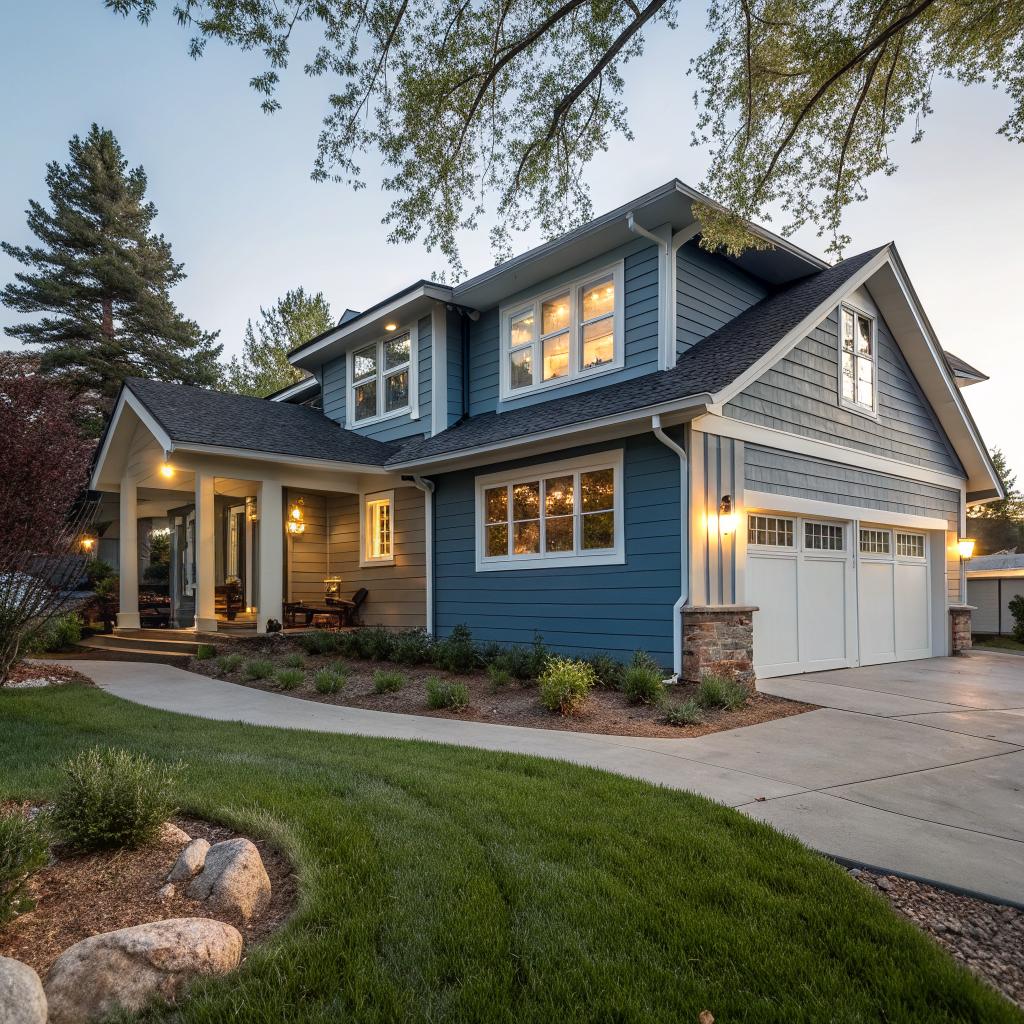
If you just want a straight answer: a good interior repaint in Colorado Springs is one that fits your climate, your daily routine, and your long-term plans for the home. That means choosing products that cure well in dry air, planning work around open-window weather, and deciding early whether you want a quick refresh or a longer term upgrade that helps your home sell or feel calmer to live in. A local-focused service like exterior painters Colorado Springs can handle everything for you, but even then, you are better off when you understand the basics yourself.
I think this is where most homeowners get stuck. Paint feels simple on the surface, so people either rush the whole thing, or they obsess over tiny color chips and never start. Both paths waste time. Once you see how light, altitude, daily wear, and even your work habits affect paint, it gets easier to make clear choices and move forward without second guessing every detail.
If you treat an interior repaint like a small business project with a clear scope, a budget, and a schedule, you almost always get better results and less stress.
How Colorado Springs climate changes your interior painting plan
Painting in Colorado Springs is not the same as painting in a coastal city or a humid southern town. The dry air, big temperature swings, and strong sun all change how paint behaves and how you should plan.
Dry climate and cure time
Low humidity sounds great, and in some ways it is. Walls feel dry to the touch faster. But there is a catch.
Paint “dries” on the surface much faster in dry air, sometimes so fast you think it is ready for another coat. Deep inside the film, it can still be curing. If you rush furniture back to the wall or close doors against fresh trim, you get sticking and ugly marks.
Some practical effects of the dry climate:
- Roller edges can dry too fast, leaving lap marks if you pause.
- Touch ups done too soon often flash and stay visible.
- Cheap paint can feel chalky or fragile after a year or two.
A simple fix is to give yourself more time between coats than the label minimum, and work in manageable sections so you keep a wet edge.
Temperature swings and open-window painting
Colorado Springs nights can be cool even in warmer months. That is good for sleeping, not always great for paint.
Ideal interior paint temperature is usually in the 60 to 80 degree range. If you paint late in the day and then the room drops into the low 50s overnight, cure time stretches out. That does not destroy the project, but it means you need to be patient with heavy use.
The best painting months for most homeowners here are:
- Late spring: windows can stay open, air is dry, temps are stable.
- Early to mid fall: less summer heat, fewer thunderstorms, similar comfort.
You can paint in winter, of course, but you rely more on HVAC and fans, which is fine if you plan for it.
Sunlight, altitude, and color fade
Higher altitude means stronger UV exposure. That mostly matters for exterior work, but it still shows up inside:
- Rooms with big south or west windows can fade faster.
- Dark colors on sunlit walls can look dull or uneven after a few years.
- Glossy sheens can show small waviness in drywall more clearly in bright light.
So if you want a deep navy accent or a charcoal office, it might be smarter to place it on a wall that does not take full sun all afternoon. Or at least go with a higher quality paint line designed for better color retention.
Do not pick paint colors in a store under fluorescent lights and call it done. Always test them on your actual walls and look at them at different times of day.
Costs of interior painting in Colorado Springs
Talking about paint without talking about money is a bit naive. Your budget shapes almost every choice: DIY vs pro, product line, how much prep you accept, and which rooms get done now or later.
Typical price ranges
These are ballpark interior repaint costs in Colorado Springs for occupied homes, using mid-range materials:
| Area | DIY Material Range | Pro Labor + Materials Range |
|---|---|---|
| Small bedroom (10×12) | $80 – $200 | $400 – $900 |
| Primary bedroom (with more trim) | $120 – $250 | $600 – $1,200 |
| Living room / family room | $120 – $300 | $700 – $1,500 |
| Whole 1,800 – 2,400 sq ft interior | $500 – $1,200 | $4,000 – $9,000+ |
DIY looks cheaper on paper, and sometimes it really is. But you also “pay” with weekends, evenings, and mistakes that you might later hire out to fix. If your business or personal life is packed, it is fair to ask yourself what your time is actually worth.
Cost drivers you can control
The big levers that move price up or down:
- Prep level: Holes, cracks, stains, caulk, sanding, texture repairs.
- Ceiling height: 9 foot and above takes more labor and equipment.
- Number of colors: More cuts, more paint, more complexity.
- Paint quality: Good mid-range paint often saves labor and lasts longer.
- Occupied vs vacant: Working around furniture slows everything.
If you want to keep costs sane, limit the number of different colors in one project phase, and deal with minor wall repairs before painters arrive so they are not doing carpentry-level work at painter rates.
DIY or hire a pro in Colorado Springs?
This is where people often argue with themselves. You might have the skills to do the work, but not the time. Or you have the time but not the patience.
Here is a simple way to think about it.
Good candidates for DIY
DIY often makes sense when:
- You are painting one or two small rooms with standard ceilings.
- The walls are in decent shape with only nail holes and small dings.
- You are not on a tight schedule, like a home sale deadline.
- You enjoy hands-on projects and are willing to learn technique.
For example, repainting a guest bedroom over a weekend is realistic. Even if you make a few mistakes, they usually are not very visible.
When hiring a pro is usually smarter
Hiring painters starts to look better when:
- You have high ceilings, stairwells, or vaulted spaces.
- There is smoke, water, or pet damage on walls or ceilings.
- You want a full color shift from dark to light or vice versa.
- You run a business from home and downtime or distraction costs you money.
Something people forget: painting is only “cheap” if you value your time at zero dollars. If you lose a weekend that you could have used to move your business or career forward, that trade might not be worth it.
If you know you will resent the project halfway through, hiring a professional is not a luxury, it is a way to protect your energy for work and family.
Planning your interior painting like a project
Treat your house like a small organization for a moment. You would never start a big work project without a scope and timeline. Yet this is exactly how many people start painting: a few sample cans, a vague idea, and a hope that it “just works out.”
Clarify your real goal first
Before you pick up a color card, ask yourself:
- Are you getting ready to sell the house in the next year or two?
- Are you planning to stay for at least 5 years?
- Is your priority personal comfort, or resale, or both?
- Which rooms affect your daily mood and focus the most?
If you are planning to sell soon, lean toward neutral, broadly appealing palettes and avoid strong personal choices like very dark feature walls.
If you are staying, you can afford bolder color, but you still want a main “base” color that carries through the common spaces so the house does not feel chopped up.
Decide the project phases
In a full house repaint, splitting the work into clear phases helps keep life functional. For example:
- Phase 1: Common areas (entry, living, kitchen, halls)
- Phase 2: Bedrooms and closets
- Phase 3: Bathrooms and laundry
- Phase 4: Trim, doors, and final touch ups
You do not have to follow that exact order, but having some kind of structure avoids the classic “half painted everywhere” look that drags on for months.
Scheduling around Colorado Springs weather and your calendar
Since you will want fresh air and ventilation, try to match your phases with easier weather:
- Avoid scheduling huge projects right in the middle of winter storms or peak holiday weeks.
- If you work from home, schedule quieter rooms first so you do not lose your office or primary workspace right away.
- Block off days on your calendar like real meetings. Treat painting disruption as real, not something that “fits around everything else.”
When you talk to painting companies, ask them how they handle schedule shifts if weather or illness hits. You do not need a long contract, but you do want to know they have a plan.
Choosing colors that work in Colorado Springs light
Color theory can get complicated fast, and honestly, it does not need to for most homes. You just need to understand how your local light changes what you see.
Warm vs cool neutrals in a dry, sunny climate
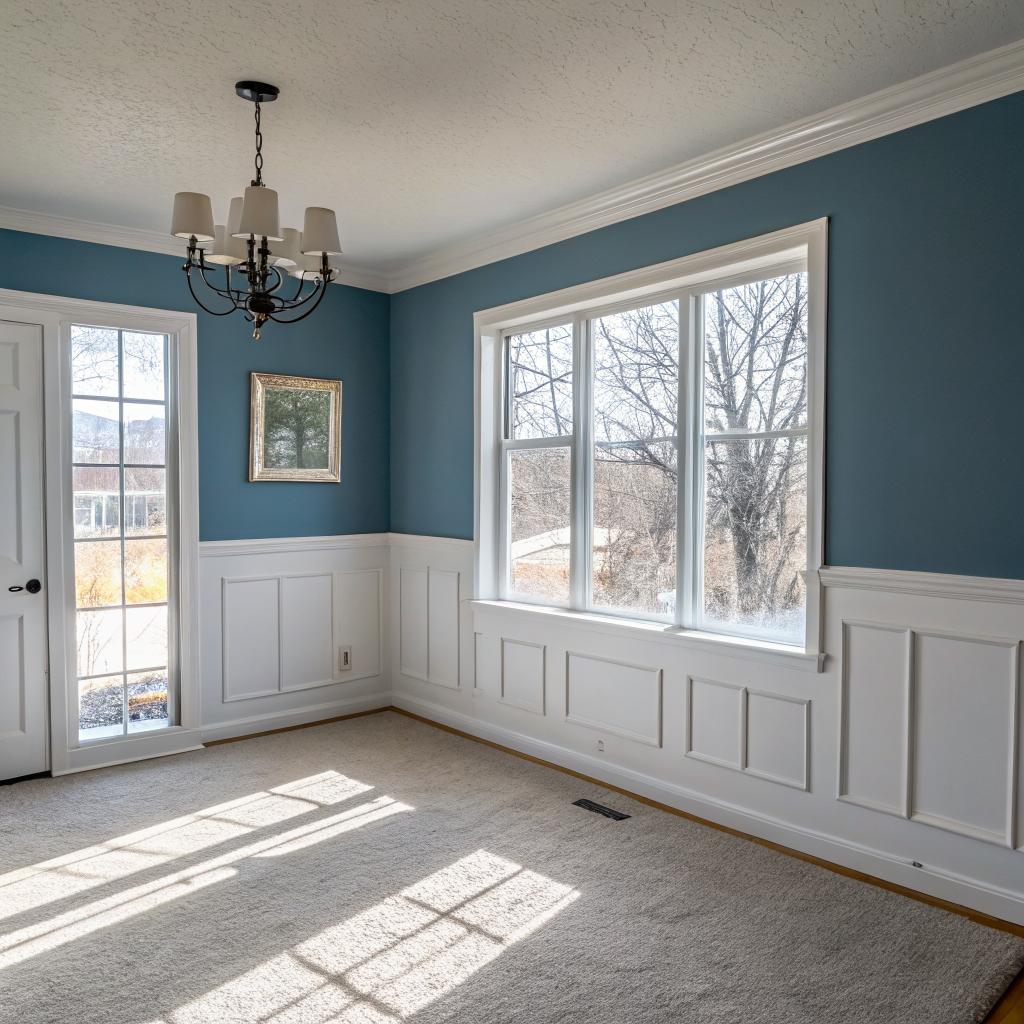
Colorado Springs sunlight can feel strong and clear. That kind of light tends to sharpen cooler colors and can make very cool grays feel a bit harsh or even blue.
Many homeowners here end up happier with slightly warm neutrals, like:
- Soft greiges (gray + beige blends)
- Warm whites with a drop of cream
- Light taupes instead of flat blue grays
A practical rule: if you love a color in the store, test it at home, and it feels too bright or cold at noon, try a version that is slightly warmer or a little more muted.
Light, medium, and dark tones by room function
You can think about tones in a simple way tied to how you use the room:
- Light tones for kitchens, hallways, and multipurpose areas where you want energy and brightness.
- Medium tones for living rooms and offices where you want some depth but not a cave.
- Dark tones for accent walls, media rooms, or spaces where you really do want a cocooned feeling.
In Colorado Springs, darker colors look more dramatic when the sun shifts, which is nice in a den or media room, but can feel heavy in a small north-facing bedroom.
Test colors the right way
Color samples are cheap compared to a whole repaint. Still, a lot of people test them in a way that almost guarantees surprises later.
Better habits:
- Paint at least two decent patches on different walls in the same room.
- Look at those patches morning, midday, and evening.
- Hold some of your furniture or fabric near the patch and see how they interact.
- Give yourself at least one full day with the samples before deciding.
Yes, it takes an extra day. But living with a color you dislike for years is worse.
Picking the right paint types and sheens
The product line you pick affects how easy the paint is to clean, how it looks on textured walls, and how often you need to repaint.
Sheen choices for a Colorado Springs home
Most homes will use a mix of these:
| Area | Common Sheen | Reason |
|---|---|---|
| Main walls (living, bedrooms) | Eggshell or matte | Soft look, hides flaws, still wipeable. |
| Hallways, kids rooms | Eggshell or satin | More durable for frequent cleaning. |
| Bathrooms, kitchens | Satin | Handles moisture and splashes better. |
| Trim and doors | Semi-gloss | Stands out slightly and is easy to clean. |
In a dry climate, lower sheens can crack less visibly over time and hide small drywall movement better. High gloss on less-than-perfect walls is usually a mistake.
Primer or paint-and-primer?
Marketing can be confusing here. Many paints claim “paint and primer in one.” That really just means the paint has more solids and covers better.
You still want a separate primer when:
- You go from a dark color to a light one.
- You are covering stains, smoke, or heavy marks.
- You have new drywall or repaired patches.
If your walls are in good shape and you are just changing from one light color to another, a high quality self-priming paint can be enough. Just do not use it as an excuse to skip needed prep.
Step-by-step flow of an interior painting project
Whether you hire a crew or manage it yourself, the sequence of work is almost the same. Knowing the steps helps you ask better questions and catch red flags.
1. Walkthrough and scope
This is where you notice:
- Cracks at corners or along stairways
- Nail pops and screw pops in drywall
- Water marks near ceilings or around windows
- Areas where kids or pets have damaged trim or walls
If you are working with a painter, they should point those out and explain how they will fix them, not just say “we will take care of it” without detail.
2. Protection and masking
A good setup phase includes:
- Moving furniture and covering it with plastic or clean drop cloths.
- Covering floors carefully, especially hardwoods and carpet edges.
- Masking around windows, fixtures, and hardware where needed.
If you are doing it yourself, do not rush this. Drips and spills are much easier to prevent than fix.
3. Cleaning and surface prep
This part feels boring, which is why people try to skip it. That is usually the biggest single mistake.
Basic prep:
- Light washing of greasy or dusty walls, especially in kitchens and near vents.
- Filling holes and cracks with appropriate filler or caulk.
- Sanding rough patches and feathering edges of repairs.
- Spot priming or full priming where needed.
In a dry climate, patching compounds and caulks can skin over quickly. Give them ample time to cure before sanding or painting so they do not shrink under the paint later.
4. Cutting in and rolling
The classic workflow is:
- Cut in along ceilings, corners, and trim with a brush.
- Roll the main wall areas while the cut lines are still wet.
The goal is to keep a “wet edge” so you do not see lines where one area dried before you overlapped it. Work in modest sections of wall instead of trying to do a huge room all at once.
5. Second coat and detail work
When the first coat is dry, hold off just a bit longer than the minimum recommended in our climate. Then:
- Repeat cut in and rolling, but watch for misses or thin spots.
- Check trim and doors for runs or gaps in caulk lines.
- Wipe up small spatters before they fully cure.
A second coat is not just about coverage. It evens out sheen and color, especially in angled light, which is common here because of big windows and open plans.
6. Cleanup and walkthrough
Good cleanup includes:
- Removing tape at the right time, before the paint bonds across it.
- Putting plates, grills, and hardware back.
- Leaving touch-up paint clearly labeled for each color.
When you do a final walkthrough, look at the walls from different angles, not just straight on. Use both daylight and room lighting. High altitude light tends to reveal more surface variation.
Working with a Colorado Springs interior painting company
If you decide to hire professionals, how you choose and manage them matters almost as much as their technical skill.
What to ask before you sign anything
Useful questions include:
- Who will be in my home each day and what hours do you usually work?
- How do you handle dust and protection for furniture and floors?
- What brand and line of paint will you use, and why that one?
- How do you schedule projects around weather or unexpected delays?
- What does your touch-up or warranty process look like?
You want clear, simple answers, not vague promises. It is fine if a painter says, “We use different lines depending on the room and use case” as long as they explain their reasoning.
Red flags to watch for
Some things that often predict problems later:
- Very low bids that are far under the other estimates.
- Unwillingness to put scope and products in writing.
- No talk about prep work, only “two coats and done.”
- No clear plan for communication during the project.
If someone cannot clearly describe how they protect your things or handle surprises, you are taking on more risk than you need.
Common interior painting mistakes in Colorado Springs homes
You can learn a lot by looking at what goes wrong for other people.
Choosing paint only from online images
Digital images do not show texture, real lighting, or the actual paint sheen. In a high light environment, that gap is even bigger.
Fix: always test samples on your walls. Not optional.
Ignoring ventilation during winter projects
In colder months, people shut all windows, crank the heat, and paint. That traps odor and slows down full cure.
Fix: use mechanical ventilation, small window openings, and fans to move air, even if it feels slightly inconvenient for a day or two.
Underestimating prep in older Colorado Springs homes
Many homes here have settled over time. You might see:
- Hairline cracks that come back if not treated correctly.
- Old caulk that has pulled away from trim or baseboards.
- Different textures from past repairs that show up strongly under new paint.
Fix: plan time and budget for real prep, not just “a quick patch.” Ask what materials will be used on cracks and joints so they are more likely to stay closed.
Making your interior paint support your growth and routines
Since you mentioned your readers are interested in business and life growth, color and layout are not just about looks. They gently shape how focused, calm, or energized you feel in different rooms.
Paint and your work from home or thinking space
If you work from home, your office or study area deserves at least as much thought as your living room.
Some patterns that help:
- Medium neutrals or muted greens can support focus without feeling too intense.
- Very bright whites can cause eye fatigue on long computer days.
- Strong accent colors are better behind you than directly in your field of view.
You could even plan one “thinking wall” in a color that you associate with calm or deep work and keep the rest quieter.
Balancing energy and rest in family spaces
Since our light is strong much of the year, even modest colors can feel lively. If your main living space is very bright midday, a softer warm neutral can keep it from feeling too sharp.
In bedrooms, especially for people who have trouble sleeping, cooler and darker tones often help. Just do not push so dark that the room feels heavy during the day.
Sometimes homeowners fix every visual thing except the wall color, then wonder why they still feel scattered at home. Paint is not magic, but it is one of the cheapest large changes you can make to your environment.
Quick questions homeowners often ask
How often should I repaint interior walls in Colorado Springs?
For most homes, main areas need repainting every 5 to 8 years, depending on traffic, kids, and pets. Bedrooms often stretch longer. High-touch areas like hallways and mudrooms may need freshening closer to 3 to 5 years, especially with active families.
Do I really need low or zero VOC paint?
If anyone in your home has allergies, asthma, or you work from home and cannot leave during the day, low or zero VOC is worth it. Even for healthy adults, reduced odor makes the project more bearable. The cost difference is smaller now than it used to be.
Can I stay in my home while the interior is being painted?
Yes, most people do. You will just lose access to some rooms for parts of the day. If you plan phases well and keep at least one quiet, paint-free area available, it is manageable. For whole-house heavy work, some owners choose to stay elsewhere for a few nights, but that is a preference call.
Is it okay to paint during winter in Colorado Springs?
You can, but you need to manage heat and ventilation more carefully. Use quality paints rated for cooler application, keep indoor temperatures stable, and give extra time for curing. For large projects, many people still prefer spring or fall, but winter work is very common.
What is the single best thing I can do to avoid regret?
Honestly, it is testing your color and sheen on the actual walls before you commit to the whole house, and taking one day to look at it in your normal routine. That small pause saves more disappointment than any other step.
If you walked your own home right now and looked at your walls as if you were about to buy the place again, what is the first room you would repaint, and what is stopping you from planning that project on your calendar this month?