| Factor | What Top Colorado Springs Painters Do Well | Where Homeowners Often Feel Frustrated |
|---|---|---|
| Quality of Work | Clean lines, solid prep, durable finishes that hold up to sun and snow | Rushed prep, peeling or fading within a couple of seasons |
| Communication | Clear estimates, realistic timelines, daily updates | Vague quotes, surprise charges, long periods of silence |
| Professionalism | On time, respectful, careful with furniture and landscaping | No-shows, messy job sites, loud or careless crews |
| Pricing | Transparent itemized bids, mid-range but fair for the quality | Very low bids that grow later, or high prices with no clear reason |
| Warranty & Follow-up | Written warranties, quick response on touch-ups or issues | Hard to reach after payment, vague or unwritten guarantees |
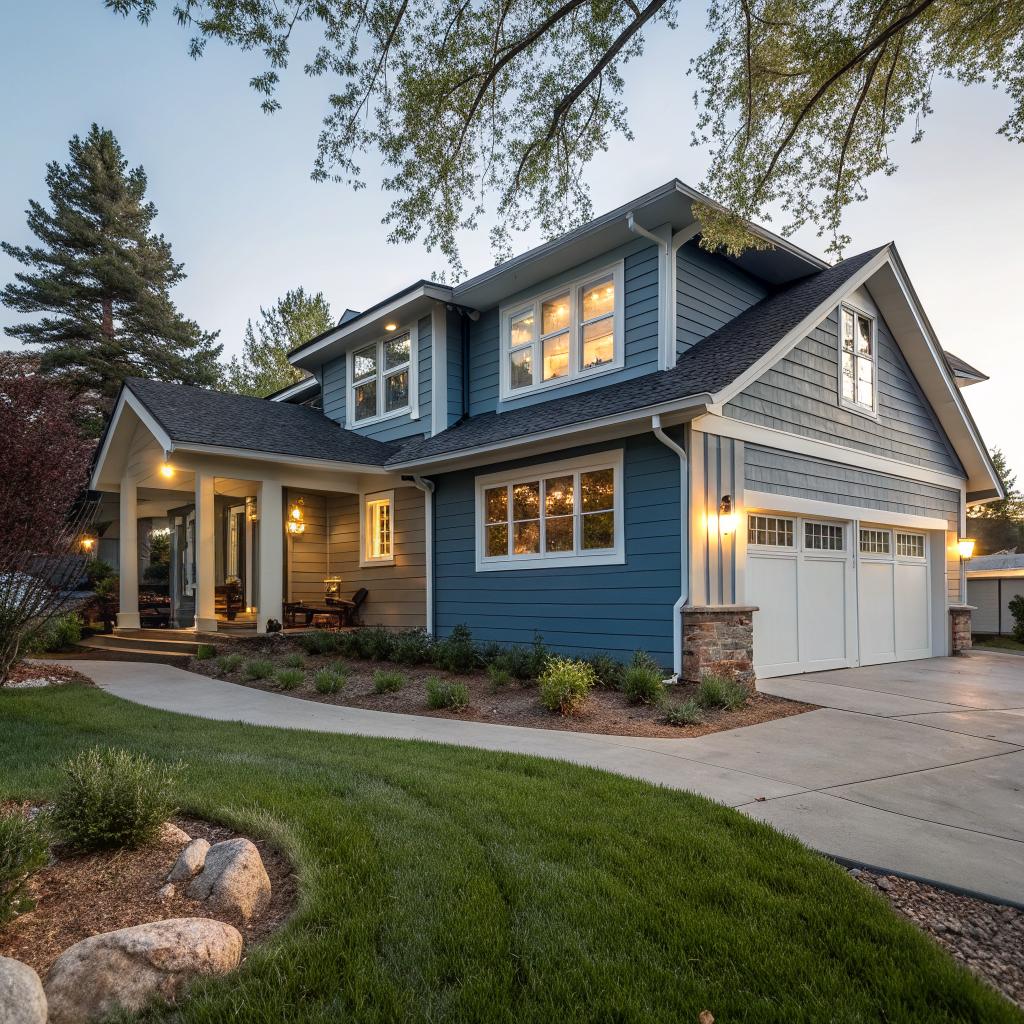
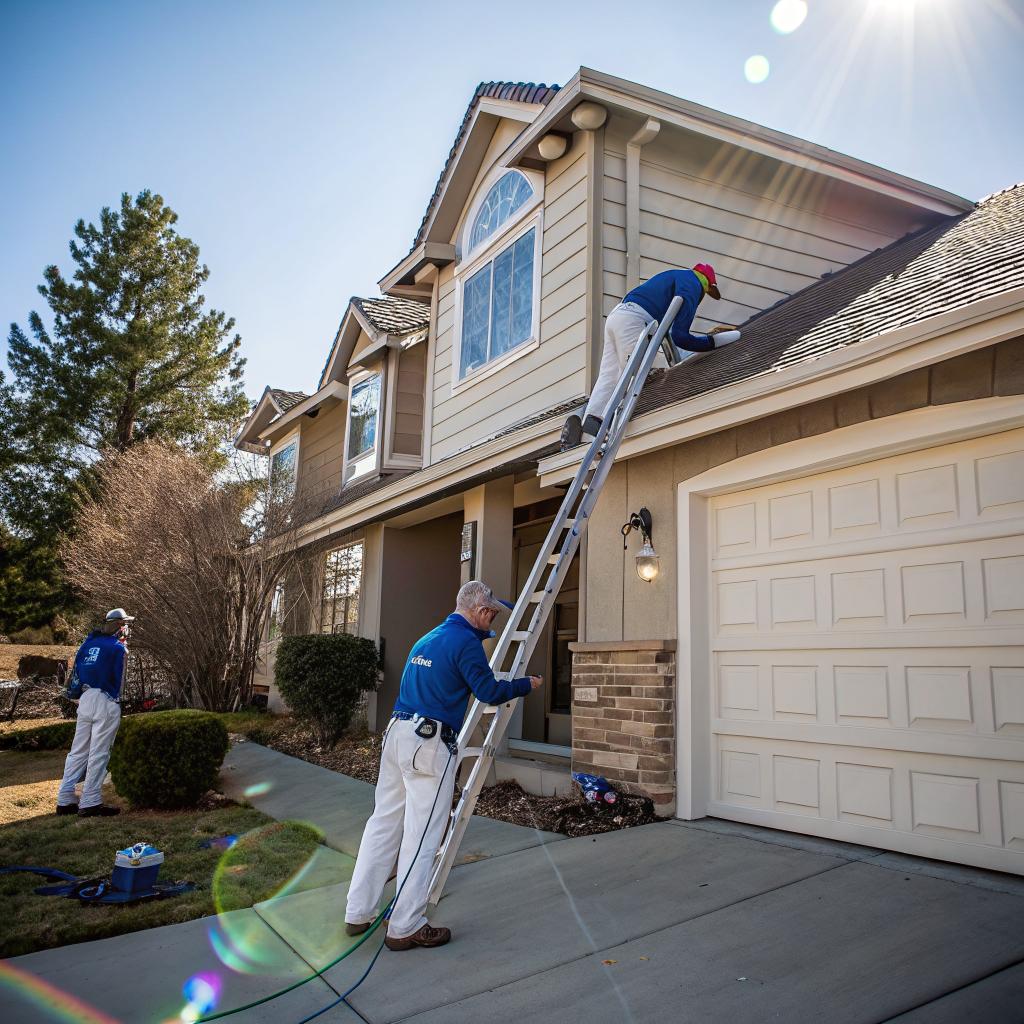
The short answer is this: the painting companies Colorado Springs homeowners trust most are the ones that do consistent prep work, communicate clearly, and stand behind their work with a real warranty, not just nice words. If a company can show solid local reviews, clear photos of similar homes, and a straightforward quote, it is already in the top tier. One example that often comes up in local conversations about Colorado Springs exterior house painting homeowners rely on is a crew that focuses on tight scheduling, weather-aware planning, and strong prep for both stucco and siding. That said, no company is perfect, and the right choice also depends on your risk tolerance, your budget, and how much you value your own time and peace of mind.
Why Colorado Springs painting feels different from other cities
If you have lived in Colorado Springs for more than one winter, you already know paint here does not behave like paint in milder climates.
We get strong UV, quick changes in temperature, snow that melts and refreezes, and that dry air that can be nice for your sinuses but brutal on wood and caulk lines.
Exterior paint that looks fine in a coastal city might crack here in two or three years. Interior paint can also suffer, especially in rooms that get a lot of sun.
This is why the companies that rise to the top in reviews are not always the cheapest or the loudest on ads. They are the ones that understand local conditions and build their process around that.
In Colorado Springs, the right prep work and paint choice often matter more than the brand name of the painter. A good company knows your house has to survive the next three winters, not just look nice on day one.
What “top rated” should really mean for you
Online ratings help, but they can also be noisy.
Sometimes 4.7 stars with 60 detailed reviews is stronger than a perfect 5.0 with only 6 short comments. I think homeowners here do pay attention to that kind of detail.
When you hear “top rated painter,” it is worth asking: top rated by whom, and for what?
The 6 pillars of a trusted painting company
From talking with homeowners and looking at patterns across local companies, the ones that keep coming up tend to do well in these areas:
- Prep work on stucco, siding, and trim
- Product choice suited for altitude and UV
- Communication before and during the job
- Cleanliness inside and outside the home
- Schedule honesty around weather and crews
- Warranty and follow-through when something goes wrong
You can think of these almost like your personal checklist.
If a company scores high on four or five and only average on one, they might still be a great fit.
If they are weak on prep and follow-through, the Google rating will not save you.
Understanding the Colorado Springs climate problem
Let me stay with climate for a moment, because this is where many homeowners underestimate the risk.
Colorado Springs sits at higher elevation, with more direct sun and thinner air than many other cities. That means:
- UV breaks down pigments and binders in paint faster
- Daily temperature swings cause expansion and contraction
- Snow against the lower siding soaks wood and trim
- Wind-driven dust wears on exposed surfaces
So when a painter tells you they will just “throw on two coats of standard exterior paint,” that might sound fine, but it is not a serious local plan.
A thoughtful company will talk about:
- How they handle hairline stucco cracks
- What primers they use on bare wood or chalky siding
- Which paint lines have better UV resistance and flexibility
- How they check and refresh caulk around trim and windows
If a painter cannot explain in simple language how they protect your home from sun, snow, and moisture, you might be paying for a short-term fix instead of a long-term job.
Interior vs exterior: two different skill sets
Some Colorado Springs painting crews are strong outside but only average inside.
Others are detail focused indoors but are not as good at ladders, trim replacement, or weather planning.
You want to match the company to the project.
What to look for in exterior painters
For exterior work in this area, I would look closely at:
- Experience with stucco, fiber cement, older wood siding, and vinyl
- Photos of homes that look similar to yours, not just generic examples
- How they handle fascia boards, soffits, and exposed beams
- Options for upgrading to better paints on sun baked sides of the house
- Their plan for power washing, scraping, sanding, and priming
Ask direct questions like:
- “What do you do if you find soft or rotten wood?”
- “How do you make sure new paint grips chalky or fading areas?”
- “How many exterior jobs do you handle each year in Colorado Springs?”
If you get vague answers, that tells you quite a bit.
What to look for in interior house painters
Interior painting can feel less risky, but a poor job will bother you every day you walk past it.
Good interior crews usually stand out in a few ways:
- They protect floors with clean drop cloths, not torn plastic
- They remove outlet covers instead of painting around them
- They caulk gaps in trim and fill nail holes before painting
- They sand lightly between coats where needed for smoothness
- They help you choose sheen levels that match room use and traffic
You might also want to ask:
- “How do you handle strong color changes, like dark to light?”
- “Do you use different paints for bathrooms, kitchens, and kids rooms?”
- “What is your process to control dust and odors while we are living here?”
How pricing actually works for top rated companies
There is a common mistake here. Many people start by collecting three quotes and then pick the middle one, thinking that is safe.
Sometimes that works. Other times the middle quote hides shortcuts that you do not see until later.
A better way is to break the price into components.
The 4 main parts of a painting quote
| Component | What It Covers | What To Watch For |
|---|---|---|
| Labor | Hours of prep, painting, clean-up, supervision | Very low labor often means rushed prep or smaller crews |
| Materials | Paint, primer, caulk, plastic, tape, repair products | Brand and line of paint should be written, not just “premium” |
| Repairs | Wood replacement, stucco patching, drywall repairs | Some companies hide this as “extras” later |
| Overhead & Profit | Insurance, licensing, management, warranty risk | Very low overhead often means no real warranty or support |
You do not need a detailed cost breakdown to the penny, but you should know:
- How many coats are included, on which surfaces
- What prep steps are included in the base price
- Which repairs might cost more if discovered along the way
- Exactly which paint products will go on your home
A fair price from a reliable painting company usually feels a bit uncomfortable at first, but not shocking. The real bargain is a job that still looks good five years later.
Red flags when choosing a Colorado Springs painting company
There is no perfect method that guarantees success, but you can tilt the odds in your favor.
Here are some warning signs that should make you pause.
Problem signs in the estimate stage
- The estimator does a very quick walk around and barely looks at damaged areas
- The quote arrives as a one-line number with almost no description
- They refuse to name the specific paint line, only the brand
- There is no mention of repairs, primer, or caulk
- They pressure you for a yes on the first visit, with a “today only” discount
If someone cannot invest time in a careful quote, will they invest time in careful prep?
Problem signs with licenses, insurance, and staff
You do not need to become a legal expert, but you should ask:
- “Do you carry general liability and workers compensation insurance?”
- “Do you use employees, subcontractors, or both?”
- “Who supervises the crew on site?”
If they cannot give a clear answer, or they dodge the question, that is your signal.
Some smaller companies do great work and use subs in a responsible way, so using subs alone is not a problem. The issue is whether there is clear accountability and communication.
Red flags during the job itself
Once work starts, stay alert without hovering. A few concerns to watch for:
- Little or no scraping, sanding, or cleaning before the first coat
- Paint going directly over dirty, glossy, or flaking surfaces
- Frequent long breaks, short days, or constant crew changes
- No clear daily clean-up, tools left scattered around
- Poor masking on windows, light fixtures, or landscaping
You do not need to manage the crew, but you have the right to ask questions if what you see does not match what you were promised.
What the top rated companies tend to have in common
If you look at the painting companies in Colorado Springs that get repeat business and strong word-of-mouth, some patterns show up again and again.
Pattern 1: They over-invest in prep
You might hear phrases like:
- “The job is 70 percent prep and 30 percent paint.”
- “We spend more on labor before we even open the first can.”
These companies often:
- Power wash, then allow real drying time instead of rushing
- Scrape aggressively, not just the loose flakes that are easy
- Sand transitions to avoid visible ridges
- Prime bare wood and problem areas instead of skipping primer to save time
It might feel like they are making the job more complicated, but they are usually making it more durable.
Pattern 2: They communicate like a project, not a one-off task
Top crews in town treat each job almost like a small project:
- Written schedule and scope
- Daily check-ins, even if short
- Clear contact person who can answer questions
- Walkthrough at the end before final payment
They know life keeps going while your house is covered in drop cloths, so they try to reduce stress, not add to it.
Pattern 3: They are honest about limits
Ironically, the more reliable painting companies are often the most cautious in what they promise.
They will say things like:
- “On this side of the house, with full sun, you are likely to get 7 to 10 years, not 20.”
- “This color will fade faster in your back yard because of exposure.”
- “We can repair this, but the texture match might be 90 percent, not perfect.”
That honesty can feel uncomfortable in the moment, but it often means they are not over-promising just to win the job.
Balancing cost, quality, and your own priorities
You are not wrong if you care about price. Paint is one of those things that always seems to cost more than you guess at first.
Still, there is a tradeoff.
If you plan to sell the house soon, you might accept a decent job that looks good for three or four years.
If you plan to stay for a decade, you probably want a stronger job, even if it is a stretch.
Here are some questions that can help you think this through:
- How long do you realistically plan to stay in this home?
- Is protecting siding or trim a bigger concern than color change?
- Would you rather pay more now and touch up later, or repaint sooner?
- Does a messy job site drive you crazy, or are you fairly tolerant?
There is no single correct answer. Different families choose differently.
How to actually compare two or three painting quotes
Let us say you narrow it down to three companies that all seem reasonable.
Most people glance at price, look at reviews, then follow their gut. That is not terrible, but you can do slightly better with a simple side-by-side view.
| Factor | Company A | Company B | Company C |
|---|---|---|---|
| Price (total) | $ | $$ | $$$ |
| Years in Colorado Springs | 2 | 8 | 15 |
| Written warranty | 1 year verbal | 2 years written | 5 years written |
| Paint line | Generic “contractor grade” | Named mid-tier exterior line | Named high-end exterior line |
| Prep detail in quote | Minimal | Moderate | Very detailed |
| Online reviews | 4.9 (12 reviews) | 4.7 (64 reviews) | 4.8 (210 reviews) |
Looking at a simple comparison like this, you can start to see patterns.
Maybe Company C costs more but clearly invests in prep and warranty. Maybe Company B is the best balance for you.
The idea is not to overcomplicate it, but to see beyond the single bold number at the bottom of each estimate.
Color choices that work well in Colorado Springs
Color is personal, but there are a few patterns in this city that tend to age better.
Exterior color ideas that hold up
Lighter, more neutral colors usually fade less obviously than very dark or very bright tones.
Homeowners often choose:
- Warm grays or greige for siding
- Soft beige, tan, or sand tones on stucco
- Crisp but not stark white for trim
- Deeper, richer color on the front door for contrast
If you are in a neighborhood with an HOA, you might be limited, but a good painter will often have a portfolio of local examples so you can see how a color looks in real Colorado Springs light, not just on a sample card.
Interior color choices that feel calm and flexible
For interiors, you have more room to play.
Still, many homeowners lean toward:
- Soft off-whites and warm grays for main living areas
- More color in bedrooms and offices, but still not very intense
- Washable finishes in kitchens, entryways, and kids rooms
- Matte or eggshell on walls, semi-gloss on trim and doors
The better interior painters will ask how you use each room and suggest finishes that match that reality. For example, more durable paints where pets or kids push toys along the walls.
How to protect your time and sanity during a paint job
A paint project, especially a full exterior or whole interior, can disrupt your life more than you expect.
Even when the company is strong, there are some simple ways to reduce stress.
Before the job starts
- Confirm the exact start date and realistic duration in writing
- Ask if they need access to water, power, or specific rooms
- Decide where pets will be during noisy or fume heavy periods
- Move fragile items and personal valuables yourself
If you work from home, tell them.
Ask which areas will be loudest on which days so you can plan calls.
During the job
- Have one main contact on your side and one on theirs
- Walk the site every day for five minutes, quietly checking details
- Keep a running list of small questions, then discuss them at once
- Take a few photos of trouble spots before and during, just in case
You do not need to micromanage, but you also do not need to be passive.
At the final walkthrough
Ask the crew leader or owner to walk with you, inside and outside.
Look at:
- Cut lines between wall and ceiling
- Coverage on dark-to-light transitions
- Door edges, window trim, and baseboards
- Drips, holidays (thin spots), or missed spots near corners
If you see anything, point it out right then. Most good companies are happy to touch up before final payment.
Why long term relationships with painters matter
Something homeowners sometimes miss is that a reliable painting company can be almost like a long-term home partner.
You might work with the same painter every 5 to 8 years on exteriors, and more often on small interior projects.
That continuity can help you:
- Keep the same color history and formulas on record
- Catch small exterior issues early, before they turn into repairs
- Make gradual updates room by room without big disruptions
It is a bit like having a trusted mechanic. Once you find one, you stop shopping on price every time and start valuing reliability.
A quick personal note on expectations
I want to add something that some people will disagree with.
No paint job is perfect under a flashlight from two inches away. If you look at any wall from that distance, you will find tiny flaws, even in very expensive homes.
The more honest painters will admit this outright.
The real question is: does the project look clean, consistent, and professional from a normal viewing distance, and does it protect your home the way you expected?
If yes, then very small imperfections will probably fade into the background of daily life.
If no, then it is fair to push back respectfully, especially when the gap between what was promised and what you see is clear.
Common questions Colorado Springs homeowners ask
How often should I repaint my exterior in Colorado Springs?
For quality exterior products and good prep, many homeowners see:
- 7 to 10 years on stucco
- 5 to 8 years on wood or composite siding
- 3 to 6 years on heavily sun exposed trim or doors
Cheaper paint or weak prep can cut those numbers in half.
Is it worth paying extra for premium paint lines?
Usually yes, especially on the exterior.
The material cost difference across your whole house might be a few hundred dollars, while the labor cost is several thousand.
Paying a bit more for higher grade paint often buys you better color retention and fewer repaints over time.
Should I paint my house myself or hire a company?
If you have a small, single-story home and some experience, doing a small project yourself can make sense.
But for two-story exteriors, tricky stucco repairs, or whole interior repaints, most people underestimate the time and risk.
If you value your weekends and do not want to experiment with ladders, a trusted Colorado Springs painting crew is usually the more practical choice.
What question should I ask a painter that most people forget?
You can ask:
“Can you walk me through one recent job that did not go as planned, and how you handled it?”
The way they answer will tell you more about their character and reliability than any perfect five star review.