

Intrapreneurship: Encouraging Employees to Innovate
Topic Quick Takeaway What is intrapreneurship? Employees act like entrepreneurs inside your company, creating new ideas, products, and processes. Main benefit for you Fresh growth from the inside, without building a new startup from scratch. Biggest risk Ideas die in bureaucracy or politics, and your best people get frustrated and leave. What you must provide

LinkedIn Personal Branding for Founders
Aspect What Works for Founders on LinkedIn What Trips Founders Up Positioning Clear niche, simple promise, problem-focused profile Generic “founder / entrepreneur / advisor” labels Content Stories, lessons, proof, consistent posting Random topics, only sharing links, posting once a month Credibility Case studies, screenshots, client wins, comments Vague claims, buzzwords, no receipts Network Targeted connections,

Succession Planning: Grooming the Next Manager
Topic Quick Take What is succession planning? A simple system to prepare the next manager before you actually need them. Biggest benefit You avoid chaos when someone leaves and your team keeps moving. Biggest risk Promoting the wrong person because they are loyal or loud, not ready. Time horizon Usually 12 to 36 months of

Sabbaticals: Why Paying People to Leave Recharges Them
Factor Short-Term Impact Long-Term Impact Cost to business Higher payroll + coverage costs Lower turnover, better retention, steadier growth Team workload More pressure, short coverage gaps Stronger systems, better delegation, cross-training Individual performance Short pause in output Higher creativity, energy, and focus Culture & loyalty Visible signal that people matter Deeper trust, easier hiring, fewer

The CEO’s Schedule: Time Blocking for Deep Strategy
Time Block Type Primary Goal Typical Length Best Time of Day Who Gets Access Deep Strategy Blocks Thinking, direction, big decisions 90-120 minutes Morning Only you Leadership Blocks 1:1s, hiring, culture 60-90 minutes Late morning / early afternoon Direct reports Execution Blocks Reviews, approvals, key ops 45-60 minutes Afternoon Core team External Blocks Investors, partners,

Burnout Prevention: Spotting the Signs in High Performers
Aspect What High Performers Experience Early Burnout Sign Energy Long hours, strong output, “I can handle it” Constant fatigue even after rest Motivation Driven by goals, ambitious, proactive Work feels flat, results feel empty Mindset Optimistic, solution focused Cynical, detached, negative self-talk Performance Reliable, consistent, self-correcting More mistakes, slower decisions Relationships Supportive, collaborative Irritable, withdrawn,

Performance Reviews: Why Annual Reviews Are Dead
Topic Old Annual Reviews Modern Performance Reviews Frequency Once a year Ongoing (weekly / monthly / quarterly) Timing Backwards-looking, delayed Real-time or near real-time Focus Judgment, rating, salary Growth, coaching, course-correction Emotion Anxiety, fear, surprise Clarity, shared goals, fewer surprises Impact on performance Low impact, often demotivating Higher impact, tied to current work Most annual

The ‘Bus Factor’: What Happens If You Get Hit by a Bus?
Topic Quick Take What is “Bus Factor”? How many people can vanish before your business or life stops working. Good Bus Factor 3 or more people can disappear and things still run. Bad Bus Factor 1 person holds all the keys (often you). Main Risk Business stalls, revenue drops, family stressed, brand damaged. Big Win

Cybersecurity Training for Non-Technical Staff (Link to Tech)
Aspect What It Means Why It Matters for You Main Goal Teach non-technical staff to spot and stop common cyber threats Reduces risk of data loss, downtime, and reputation damage Key Focus Email, passwords, devices, remote work, messaging habits Targets where breaches actually start in day-to-day work Approach Simple, story-based, role-specific training tied to real
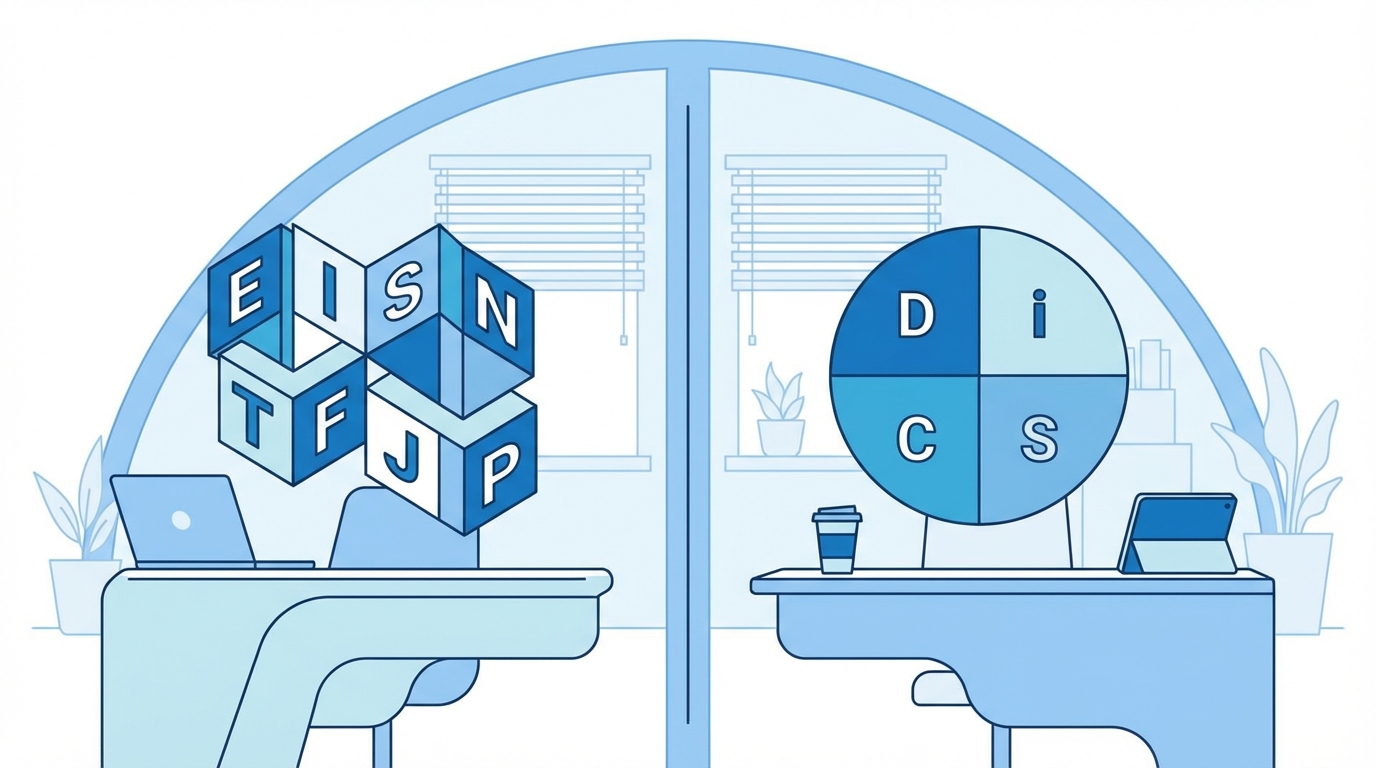
Personality Tests: Myers-Briggs vs. Disc in the Workplace
Myers-Briggs (MBTI) DISC What it measures Cognitive preferences (how you think, decide, relate) Behavior patterns (how you act and communicate) Main use at work Self-awareness, career fit, communication styles Team dynamics, sales, leadership styles, conflict handling Output 16 personality types (e.g., ENTJ, INFP) Four factors: Dominance, Influence, Steadiness, Conscientiousness Complexity Higher: multiple letters and combinations
