| Question | Short answer |
|---|---|
| Do you really need expert foundation repair in Murfreesboro TN? | Yes, if you see cracks, doors sticking, or uneven floors, you should call a local specialist soon. |
| Average local cost range | $1,000 to $18,000, most jobs fall between $3,500 and $9,500 |
| How fast should you act? | Within days for active cracks or water issues; do not wait for another season |
| Most trusted methods in Murfreesboro | Interior drainage, piers, wall reinforcement, soil and drainage correction |
| Who should you call first? | A local contractor with concrete and structural experience, not a random handyman |
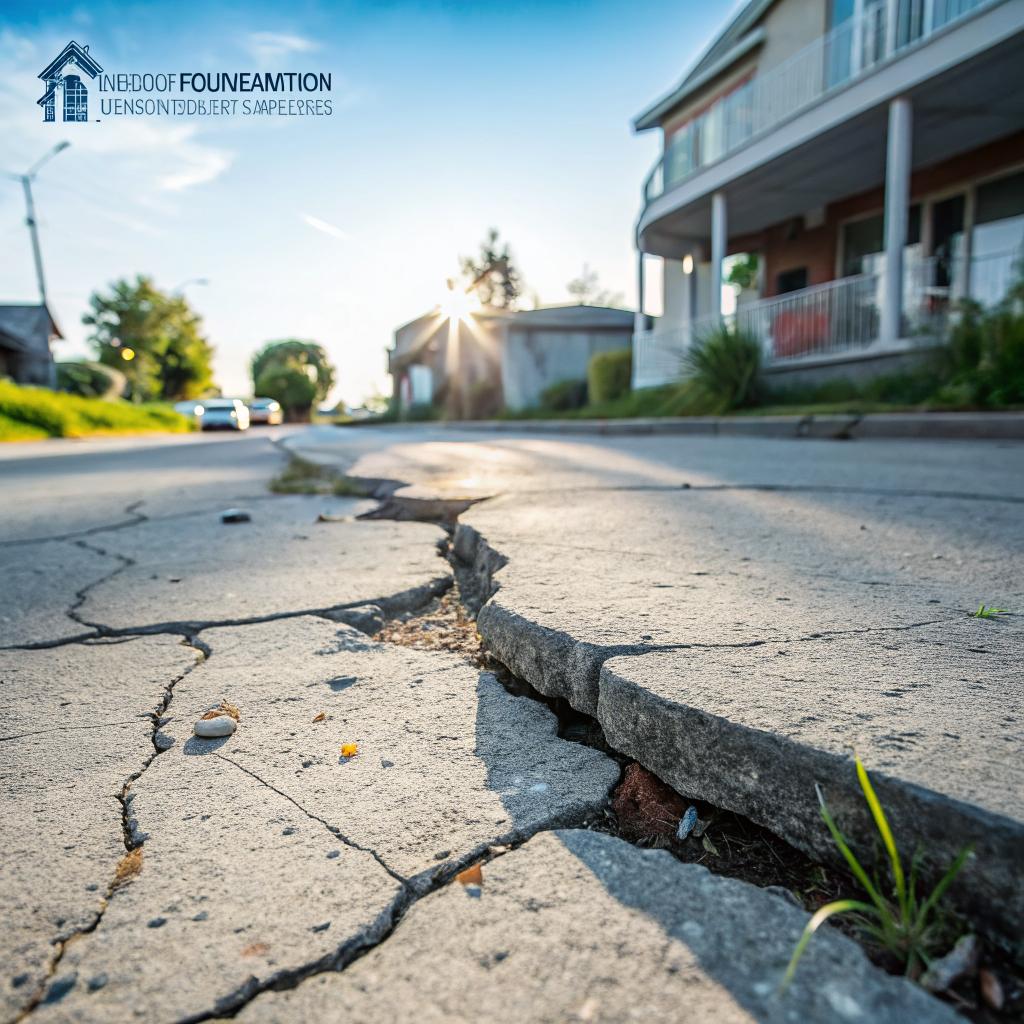
You can get expert help for foundation repair Murfreesboro TN homeowners trust by working with a local contractor that understands our clay soil, heavy rains, and the way Middle Tennessee homes age. If you see cracks running through drywall, doors that suddenly stick, or a basement that smells damp, you are already at the point where waiting is risky. Foundation problems rarely fix themselves. They spread. The earlier you bring in a specialist, the smaller the repair, the lower the bill, and the less stress you carry in the back of your mind while you are trying to focus on work, family, and your long term plans.
I know this sounds dramatic, but a shifting foundation is like slow financial erosion under your feet. You do not notice it day to day, then one day you go to sell the house and an inspector flags everything. You cannot close without a repair. The cost sails straight into the five figures and you are negotiating from a weak position. That is why this topic matters for anyone who cares about business or life growth. Your house is probably your largest asset. Treating the foundation like a side issue is a quiet way to sabotage your own balance sheet.
Why Murfreesboro foundations struggle more than you think
Murfreesboro looks stable on the surface. Nice subdivisions, new construction, older brick homes holding up pretty well. It is easy to think, “If my house was in trouble, I would know.”
That confidence is not always accurate.
Two local realities work against your foundation:
1. Our clay soil swells and shrinks with moisture.
2. We get hard rains mixed with hot dry spells.
When the clay is wet, it expands and pushes against your walls and footing. When it dries, it shrinks and stops supporting parts of the foundation. Over years, this constant movement creates stress points.
You might see:
– Thin cracks in the block or poured concrete.
– Stair step cracks in brick.
– Gaps between trim and walls.
– Tiny slopes in floors that feel “off” when you walk.
On their own, some of these look minor. The problem is how they connect over time.
The main risk with foundation damage is not what you see this month, it is what that pattern will look like three or five years from now if you keep ignoring it.
A business owner would never ignore a slow leak in revenue. Yet many smart people ignore a slow leak in their house structure. The logic should be the same.
Foundation repair as a long term financial decision
If you think in terms of growth, retirement, or building a portfolio, your house is not just “where you live.” It is a real asset with real risk. Foundation damage reduces three things that matter:
– Property value
– Financing options
– Your ability to exit on your own terms
Banks and buyers get nervous when they see signs of structural movement. Even if the house looks fine to you, an appraiser or inspector will flag:
– Horizontal cracks in a basement wall
– Significant settling cracks in the exterior
– Evidence of past water intrusion that was not handled well
You might feel that foundation repair is expensive, and it is, but so is the discount you are forced to give a buyer if they think they are inheriting the problem.
Think of it in simple terms.
| Choice | Short term cash out | Long term effect |
|---|---|---|
| Inspect and repair early | $1,000 to $7,000 in many cases | Protects tens of thousands in equity |
| Ignore for years | $0 now | Heavy repair later or price cut at sale, often $15,000+ |
| DIY patch only | Under $500 | Cosmetic fix, risk remains, still an issue on inspection |
So the real question is not “Can I afford foundation repair?”
A more honest question is: “Can I afford to let my largest asset gradually lose value while I pretend nothing is wrong?”
That might sound harsh, but this is how investors talk about risk. Your home deserves the same level of thinking you would give a rental property or a small company you own.
Common signs your Murfreesboro home needs expert help
Some things are cosmetic. Some are structural. It can be hard to tell the difference without training, but there are patterns you can watch for.
1. Cracks that keep growing
Hairline cracks in new concrete can be normal. What worries me more is when a crack:
– Widens over months
– Runs diagonally from window or door corners
– Comes back after you patch it
If you draw a pencil mark across a crack and it opens beyond that line over time, there is movement. That is worth a professional look.
2. Doors and windows sticking for no clear reason
Wood swells with humidity, so a sticky door in summer can be normal. But when:
– Doors stick all year
– You see gaps at the top or bottom of the frame
– You need to shave the door more than once
then the frame might be shifting around the door. That points back to movement in the structure.
3. Uneven or bouncy floors
If a glass on your dining table slowly slides to one side, you have a slope issue.
Some causes are simple, like old floor joists or loose subflooring. Others trace to sagging beams, sunken piers, or settlement under the footing.
In a slab home, you might feel:
– Hollow spots
– Cracks in tile that align in a pattern
– Transitions where one room is slightly higher than the next
In a crawl space home, soft or bouncy spots might mean moisture problems under the house that are already affecting the support system.
4. Moisture in basements or crawl spaces
Water near your foundation is not just a comfort issue. It weakens the soil that holds your footing in place. It rusts rebar. It encourages mold and wood rot in crawl spaces.
Here are a few red flags:
– Standing water after a storm
– A musty smell that never quite goes away
– White chalky residue on basement walls
– Visible mold or dark staining on floor joists
Any water that sits against your foundation for days instead of hours is quietly working against the strength of your home.
You might not see damage yet, but the conditions are set for bigger problems.
What expert foundation repair in Murfreesboro actually looks like
People sometimes imagine foundation repair as mysterious or almost magical. In reality, it is a set of practical methods that deal with three basic tasks:
1. Stop movement.
2. Redirect water.
3. Restore support.
Here are the most common methods local homeowners see.
1. Drainage and grading corrections
A surprising amount of “foundation repair” is actually water management.
A contractor might:
– Regrade soil so water flows away from the house.
– Extend downspouts and correct gutter problems.
– Add French drains or surface drains in problem areas.
This type of work costs less than deep structural repair, but it protects everything else. I have seen several homes where fixing gutters and grading early could have saved thousands in wall reinforcement later.
2. Interior and exterior drainage systems
For basements with regular leaks, contractors often install:
– Interior perimeter drains under the slab edge.
– A sump pump system to move water out.
– Sealed wall systems that guide water into the drains.
On the exterior side, they might install:
– Footing drains
– Waterproofing membranes on the outside of basement walls
The choice depends on the layout of the home, access, and budget. There is no single “right” way for every house, and that is part of why a local expert matters.
3. Piering and underpinning
When part of the house is sinking, piers are a common solution. This is where things start to sound intense, but it helps to break it down.
Basic idea:
– The contractor digs small access holes along the footing.
– They install steel or concrete piers under the existing foundation.
– They use hydraulic equipment to transfer weight from unstable soil to deeper, more stable ground.
– Sometimes they gently lift portions of the foundation toward their original level.
There are different pier systems, but the goal is the same: give your foundation something solid to rest on so it stops moving.
4. Wall reinforcement
Basement or crawl space walls can bow inward from soil pressure. For that, contractors might use:
– Carbon fiber straps bonded to the wall.
– Steel I-beams anchored to the floor and joists above.
– In more serious cases, partial rebuilds with added reinforcement.
If caught early, straps or beams can stabilize movement before you reach the point of rebuilding.
5. Crawl space repairs and encapsulation
Many Murfreesboro homes have crawl spaces instead of full basements. These spaces are often out of sight and out of mind, which is dangerous financially.
Crawl space work might include:
– Replacing or adding support posts.
– Re-shimming and leveling beams.
– Installing a vapor barrier or full encapsulation.
– Adding dehumidification to keep moisture in check.
Again, water and humidity are quiet enemies. They damage wood, invite termites, and slowly weaken the support system holding up your floors.
How to think like an investor about your foundation
Homeowners who approach problems like an investor usually do better over time. That means asking different questions.
Instead of asking:
– “What is the cheapest fix?”
Try asking:
– “What is the repair that protects my equity for the next 10 to 20 years?”
Instead of:
– “Can I wait a while?”
Ask:
– “What is the cost of waiting if this worsens by 20% or 50%?”
When you look at problems through that lens, the path is clearer. It may still feel painful in the short term, but you start to see the decision as part of your larger financial plan, not just a random home repair.
If you want growth in your life and business, you need stable footing in a very literal sense. A healthy foundation supports better decisions everywhere else.
Choosing a foundation repair contractor Murfreesboro homeowners can actually trust
Trust is not a marketing word here. It is about whether you can rely on someone to tell you the truth when you cannot see what is below your floors or behind your walls.
Here are some practical things to look for.
Local experience with Murfreesboro soil and weather
Middle Tennessee has its own mix of clay, rock, and seasonal movement. Ask direct questions:
– How many projects have you done in Murfreesboro specifically?
– What are the most common issues you see in this part of town?
– How do you handle our heavy rain and clay soil in your designs?
Generic answers are a bad sign. Local pros usually have specific stories about certain subdivisions, age ranges of homes, and clay pockets.
Clear inspection and reporting
When someone inspects your foundation, you should expect:
– A walk through of the inside and outside of the house.
– A look at the crawl space or basement, not just a quick glance.
– Level checks, measurements, and photos.
– A written explanation of what they found.
If a contractor gives you a huge quote without walking you through the problem in everyday language, stop and question that. You are allowed to ask “Why” multiple times.
Transparent scope of work and pricing
Look for:
– A clear description of what they will do.
– Which areas of the house are involved.
– What is included and what is not included.
– What could make the price change during the job.
Some unknowns are normal because nobody can see every inch of your foundation until work starts. But the contractor should be honest about where those unknowns might be.
Warranties that make sense
Lifetime warranties sound nice, but read the details:
– Is the warranty transferable to a new owner?
– What conditions void the warranty?
– Do they cover labor and materials or only limited parts?
Warranties are not just paperwork. They are part of your resale story. A buyer feels better knowing a reputable local company stands behind the work.
Balanced advice, not scare tactics
If every issue is suddenly an emergency, you are probably being sold more than you need.
Maybe this sounds blunt, but you want a contractor who is willing to say:
– “This is ugly but not urgent. Here is what I would watch for.”
– “You can start with drainage work first, then reevaluate.”
– “You do not need the most expensive system for this house.”
When someone shows they can talk you out of spending money you do not need to spend, that is often a sign they are worth trusting when they say “This part is serious.”
Balancing foundation repair with your bigger life plans
Foundation work does not happen in a vacuum. You still have kids, work, maybe a business you are growing, maybe parents you support.
So the question is not just “How do I fix this?”
It is “How do I fix this without derailing everything else?”
Here are some thoughts from a more practical angle.
1. Treat your home like part of your portfolio
If you own a business, you probably track cash flow, risk, and capital improvements. You can apply a similar mindset at home.
Ask yourself:
– What share of my net worth sits in this house?
– What risk does foundation damage pose to that share?
– How does a repair protect or grow my net worth over time?
Sometimes the best “investment” you can make in a given year is not a new venture. It is simply protecting a major asset from hidden decay.
2. Timing around career and cash flow
You might be in a season where money is tight because you are investing in your business or saving for something big. That does not mean you ignore the foundation, but you can:
– Get an inspection now so you know the real condition.
– Prioritize the parts that stop further damage, like drainage.
– Plan the heavier work around bonuses, tax refunds, or slow seasons.
The key is to move from guessing to planning. Once you know the size of the problem, you can schedule it like any other important project.
3. Considering future moves
If you know you want to sell in the next few years, foundation repair takes on a different weight.
You have three options:
- Fix now, enjoy a stable home, and sell from a position of strength.
- Fix closer to sale, mostly to reduce buyer objections.
- Do nothing and accept a lower sale price, plus longer time on market.
There is no single right answer, but pretending the issue does not exist is the weakest strategy of the three. Serious buyers and their inspectors will see what is going on.
Common myths Murfreesboro homeowners repeat about foundations
I hear the same ideas come up again and again. Some have a grain of truth. Some are just wrong.
“Every house settles. Cracks are normal.”
Yes, houses settle. Some tiny cracks are common. That does not mean every crack is harmless.
Look at:
– Direction and pattern of the crack.
– Rate of change over time.
– Whether it links to other signs like doors sticking.
Dismissing everything as “normal settling” is like saying “every business has ups and downs” while ignoring a clear downward trend in your own numbers.
“If I cannot see damage, I do not have a problem.”
Crawl spaces and basement corners tell very different stories than living rooms. I have seen beautifully renovated homes with serious structural problems hiding behind fresh drywall and new flooring.
If you never look under the house, you are trusting your largest asset to guesswork.
“Foundation repair always costs $30,000 or more.”
It can reach that level on severe projects, especially on large homes or deep basements with major movement.
But many Murfreesboro homeowners face:
– Early drainage corrections
– Limited pier installation
– Targeted wall reinforcement
These are often in the lower ranges of repair costs. The larger jobs you hear about usually involved many years of delay.
“I can just patch the cracks myself and be done.”
Surface patching has its place for cosmetic improvement and minor sealing. But it does not address:
– Soil conditions
– Water pressure on walls
– Structural movement under the slab
Patching can help you monitor change more clearly, but it should not be your only line of defense if there is deeper movement.
What a sensible foundation repair process looks like from start to finish
To make this feel less abstract, here is a typical flow. Real jobs vary, but the overall rhythm is similar.
1. Initial contact and quick discussion
You describe what you see:
– Cracks, doors sticking, slopes.
– Any water problems.
– Age of the home and major history, like additions or past flooding.
The contractor gives you a rough idea of what might be going on and sets an inspection time.
2. On site inspection
This should not take five minutes. They:
– Walk around the exterior, looking at walls, grading, and drainage.
– Walk through the interior, checking cracks and doors.
– Go into the basement or crawl space if access allows.
– Take photos and sometimes floor level measurements.
You can follow them and ask questions. It is your house.
3. Explanation and options
After the inspection, a good contractor:
– Explains what they saw in plain language.
– Sketches or shows photos of key areas.
– Describes different repair paths when there are options.
This is where you want to move past fear and into clarity. Ask about:
– Short term vs long term effects.
– What happens if you do nothing for a year.
– How they have solved similar problems in nearby homes.
4. Written proposal
You receive a document with:
– Scope of work.
– Materials and methods.
– Cost.
– Estimated timeline.
– Warranty details.
You compare this with your budget and long term goals.
5. Scheduling and preparation
Once you move forward:
– You pick dates that disrupt your life the least.
– You clear areas where work will happen.
– The contractor gets permits when needed.
You might feel some dread here. That is normal. Big repairs feel stressful, even when they are smart.
6. Work in progress
During the job, you should see:
– Crew members who know what they are doing.
– Someone on site who can explain daily progress.
– Efforts to protect your property and keep things reasonably tidy.
Do not be afraid to walk the site, within safety limits, and ask what they are doing. Curiosity is healthy.
7. Final walkthrough and documentation
After the work:
– You walk with the contractor and look at all areas.
– They explain what changed.
– You receive warranty paperwork and possibly “before and after” photos.
Keep all of this in a safe place. It becomes part of your home file, helpful for your own peace of mind and for any future sale.
What this has to do with your growth mindset
You might be wondering how a topic as practical as foundation repair connects with business and life growth.
To me, the link is pretty direct.
People who grow well over time tend to:
– Face uncomfortable facts honestly.
– Handle problems early instead of waiting.
– Protect their assets before chasing new opportunities.
Foundation repair is a small test of that mindset. Do you hide from slow moving structural risk or deal with it? Do you let short term savings undermine long term wealth?
You do not need to become anxious about every crack in your wall. That is not the goal. But learning to ask calm, clear questions about what you own is a habit that helps in every part of life.
Maybe the next time you see a hairline crack in your drywall or a door that sticks, you can treat it as practice. Not just practice in home maintenance, but practice in how you respond to small early signals everywhere else in your life.
Common questions Murfreesboro homeowners ask about foundation repair
Q: When should I stop watching and actually call a foundation contractor?
If you see any combination of these:
– Cracks that keep getting longer or wider.
– Doors or windows that used to work but now stick for no clear reason.
– Water in your crawl space or basement more than once.
– Floors that feel more uneven this year than last year.
then it is time for a professional opinion. An inspection costs far less than years of quiet damage.
Q: Is one opinion enough, or should I get multiple quotes?
For simple drainage corrections, one strong, well explained proposal might be enough. For larger structural work, I think it is wise to get at least two quotes from reputable local contractors.
If the advice from one company is wildly different from the others, ask each why they disagree. The way they respond will tell you a lot.
Q: Can a foundation repair really last, or will this keep coming back?
Good repairs can last for decades, sometimes for the life of the home, especially when:
– The root cause, such as poor drainage, is corrected.
– The pier or reinforcement system is properly designed for your soil and structure.
– The work is done by people who know local conditions.
No contractor can control everything the ground will do over 50 years, but the point is to stabilize the home so any remaining movement is minor and manageable.
Q: How do I balance this with other priorities if money is tight?
This is where planning matters more than emotion.
You can:
– Start with an inspection so you know the size of the problem.
– Ask the contractor which items are urgent and which can wait.
– Do the work that stops further damage first, then schedule other steps in phases.
You might not like the fact that your house needs attention right now. I would not either. But once you know the facts, you can make calm choices instead of guessing. And that habit, repeated many times in different areas of your life, is the real foundation under your growth.