| Aspect | Pros | Cons |
|---|---|---|
| Look & Feel | Handmade, rich color, subtle shine, every piece unique | Irregular edges and tones if you prefer a perfect, uniform look |
| Durability | Long lasting, suitable for most interior floors | Needs sealing, can chip if installed or maintained poorly |
| Maintenance | Easy daily care once sealed, just simple cleaning | Sealer needs reapplication over time, gentle cleaners required |
| Design Flexibility | Works in modern, classic, and eclectic spaces; strong color range | Too much pattern or gloss can overwhelm small rooms |
| Cost | High visual impact, increases perceived value of the space | Higher material and labor cost than basic porcelain |
If you want a floor that actually changes how a room feels, rather than just changing the color of the surface, zellige is hard to beat. A well planned zellige tile floor can pull more light into a dim room, soften hard modern lines, and even shift how you and your guests move through the space. It is not magic, but it is close. The key is to match the texture, color, and pattern to the way you live and work, not just to what looks good in a single photo.
What makes zellige floors different from regular tile?
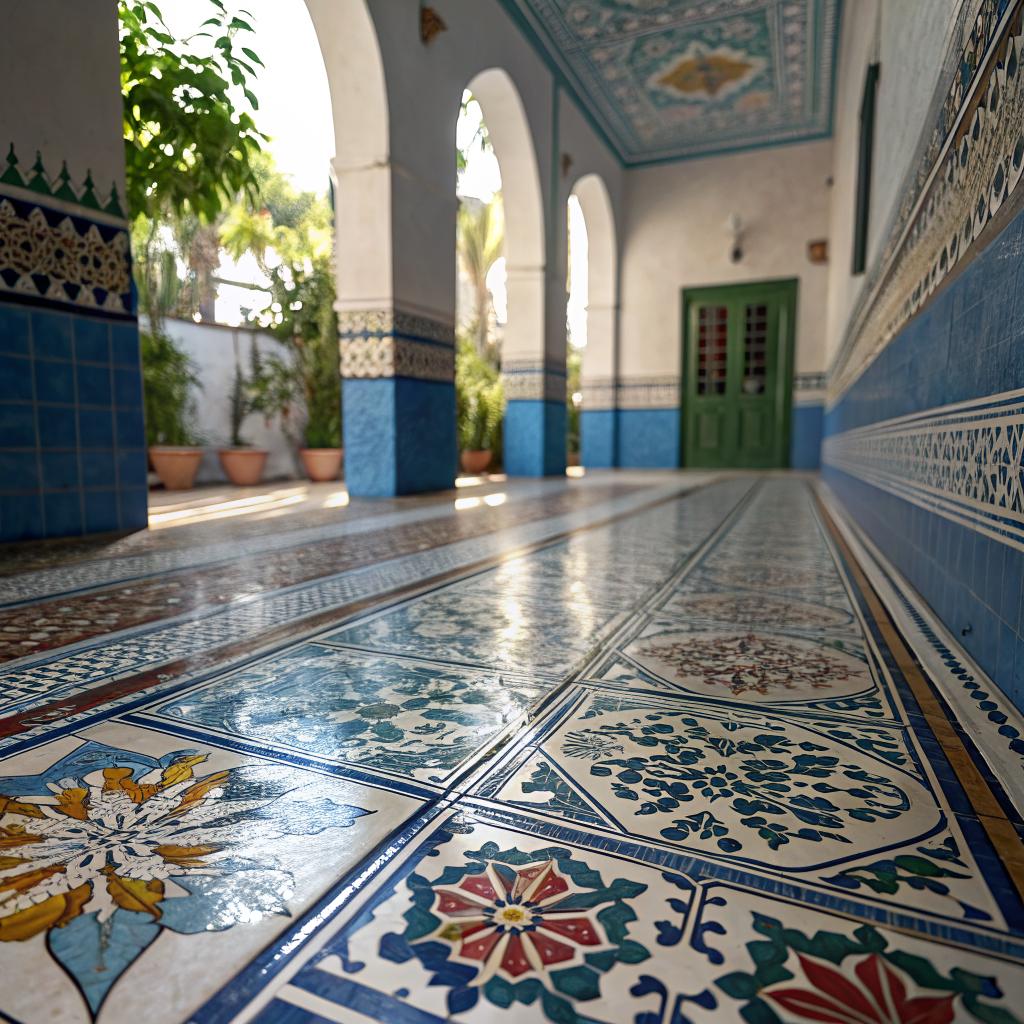
The first thing people notice is the texture. Each tile is slightly uneven. Some are a bit thicker, some have a softer corner, some carry tiny pits in the glaze. When you lay hundreds of these on a floor, that slight variation breaks up flat light and makes the surface feel alive.
Zellige tiles are usually:
- Hand pressed from clay
- Sun dried and kiln fired
- Glazed in rich, often layered colors
- Cut or shaped by hand
That process means no two tiles are identical. If you want a floor that is absolutely consistent, with every piece the same tone and size, zellige will frustrate you. If you are comfortable with small differences, you get a surface that feels warm underfoot and looks different at 8 a.m. than it does under a desk lamp at 9 p.m.
Zellige looks its best when you stop trying to control every tiny detail and let some irregularity stay visible.
For people who think a lot about growth, work, and how a room affects focus, that irregularity can be helpful. It keeps a floor interesting without screaming for attention.
How a zellige floor can shift the mood of a room
Think about the rooms where you do your best thinking. They are usually not perfectly flat in tone. There is some texture, some depth, something that lets your eyes rest but not fall asleep.
A zellige floor changes a room in a few specific ways:
- It scatters light, so even plain white walls feel warmer.
- It gives the room a sense of craft and effort, which can push you to treat your own work with more care.
- It subtly slows people down. You notice the surface when you walk in.
Is that overthinking a tile? Maybe a little. But if you care about your environment as a tool for better work or a calmer mind, small design decisions matter more than they seem.
If you treat your floor as a design afterthought, the room often feels like an afterthought too.
Let me walk through concrete floor ideas, room by room, and connect them to the way you live and work.
Living room zellige floor ideas
The living room tends to play double or triple duty now. It is where you relax, take calls, scroll, sometimes work on a laptop. A zellige floor can help you separate those roles without building actual walls.
1. Warm neutrals for a calm, focused space
If you want a living room that can handle both reading and informal meetings, lean toward soft, warm neutrals. Think:
- Warm white
- Light sand or beige
- Soft gray with a hint of taupe
These shades still show the handmade variation, but they do not overpower the room. They also play well with laptops, books, and screens. Strong color on the floor, plus bright screen light, can be visually tiring.
Pair neutral zellige with:
- A simple rug that does not fully cover the floor
- Clean lined furniture in wood or matte metal
- One strong accent color in cushions or art
The rug is not hiding the tile. It is framing it. The visible borders around the rug show off the tile while keeping a soft area underfoot where you sit for long stretches.
2. Bold floors for social, extroverted rooms
If your living room is more about hosting than deep focus, color can work to your advantage. Deep teal, bottle green, or ink blue zellige on the floor makes the entire room feel more intentional.
Here is how that affects behavior:
- People tend to put their phones down more often in visually interesting spaces.
- Conversation flows more when the room feels “finished” and cared for.
- The floor itself becomes a talking point, which is useful if you host clients or partners at home.
You do need to keep other surfaces quieter. If your floor is bright green zellige, try:
- Off white walls
- Sofas in natural linen or leather
- Very simple window treatments
A bold zellige floor looks strongest when the rest of the room steps back a little.
3. Mixed patterns at the edges
If you like pattern but worry it might overwhelm the room, you can keep the center of the floor simple and use pattern in a border.
One approach:
- Plain square zellige in the center
- A two or three tile wide patterned band around the room’s perimeter
- A slightly darker tone along the edge to “frame” the space
This gives a quiet visual focus to the central seating area, while still showing off the handmade tiles. It is a good solution if you host work sessions or workshops at home and do not want the floor to distract people.
Kitchen zellige floor ideas
The kitchen can easily become the most used room in the house. It is also where design mistakes show up fast. A floor that looks good but is a nightmare to clean will feel like a bad decision every single day.
1. Light floor, darker grout
If you cook daily, you want a floor that does not highlight every crumb. A light but not pure white zellige floor paired with slightly darker grout can handle real life and still look clean.
Consider:
- Warm white, cream, or light gray tiles
- Grout one or two shades darker, not a high contrast color
- Matte or satin sealer to reduce visible streaks
This combination reflects enough light to keep the kitchen bright, which matters if you take video calls or record content there. At the same time, the irregular surface deflects small scuffs.
2. Zellige floors plus minimalist cabinets
If your cabinets are flat front, handleless, and modern, a handmade clay floor can stop the space from feeling too cold.
A simple layout:
- Rectangular zellige tiles in a running bond pattern
- Soft gray or muted green glaze
- White or pale wood cabinets with simple hardware
This combination works well if your kitchen doubles as a place for quick laptop work. It feels composed but not stiff. When you walk into that type of space first thing in the morning, it can set a clearer headspace than a messy mix of finishes.
3. Color blocked cooking zone
If you have an open plan kitchen and living area, you can use zellige on the floor of just the cooking zone. The rest of the space can stay in wood or another tile.
Here is one way to think about it:
| Area | Floor material | Effect |
|---|---|---|
| Cooking / prep zone | Colored zellige tile | Visually marks “work area”, adds energy |
| Dining / living | Wood or neutral tile | Feels calmer, good for conversation and focus |
You can keep the color limited to the kitchen footprint so it does not compete with living room furniture. This is helpful if you also film cooking content; the color block behind you becomes part of your visual brand.
Bathroom and spa style zellige floors
Bathrooms are often the first place people try zellige. The room is smaller, and the risk feels lower. Still, you can connect bathroom design to your work and growth too. A bathroom that feels like a small retreat can shift how you start or close the day.
1. Soft neutral floors that bounce light
If your bathroom is small or has no window, zellige can help it feel less like a closet. The slight shine on each tile catches whatever light you do have.
Ideas that work well:
- Pale gray or warm white zellige on the floor
- The same tile size on the lower part of the walls for visual flow
- Simple fixtures in brushed metal, not mirror bright
This kind of room suits quiet morning routines. It does not shout. It just feels cared for, which can influence how disciplined you are with your own routines.
2. Monochrome color immersion
If you want your bathroom to feel like a reset, you can use one color for floor and walls, with only small breaks for fixtures and mirrors.
For example:
- Deep green zellige on floor and walls
- Matte black shower fittings
- Simple white sink and toilet for contrast
This can feel intense, in a good way. Step in, and your brain knows “this is a different zone.” For anyone running a demanding business or job, that physical separation can be a real help.
3. Pattern compartments
If you are hesitant to cover the entire bathroom in zellige, start by flooring just the shower area or just in front of the vanity.
For example:
- Plain, larger format tiles in most of the bathroom
- Smaller zellige tiles on the shower floor, where texture gives extra grip
- Matching zellige on a low ledge or shower niche to tie things together
This creates a subtle visual message: this is where you slow down. That may sound minor, but your brain picks up on these cues.
Home office and studio zellige floor ideas
This is the room where design choices have the strongest link to your work and growth. If your office feels improvised, your work often does too. If it feels considered, you tend to show up more seriously.
1. Calm, matte, and distraction free
For deep work, you want low glare and quiet surfaces. Zellige has a natural shine, but you can control the effect with color and sealer.
A focused office floor might include:
- Mid tone neutral zellige (not too light, not too dark)
- Satin finish sealer, not high gloss
- Simple layout such as a grid or running bond
This gives just enough irregularity to keep the room from feeling clinical, without so much that your eye keeps wandering.
2. Defined zones for different work modes
If your office has a small meeting corner, reading armchair, or recording area, you can use zellige to mark that zone.
One example layout:
- Main desk area with wood floor or plain tile
- Small square of zellige under a lounge chair and side table
- A color that is slightly richer than the rest of the room
That tile “island” becomes your thinking spot. You feel different when you step there, and that physical habit can support better creative work.
3. Geometric layouts for analytic work
If your work is heavy on systems, numbers, or operations, a strong geometric floor can support that mindset.
You might try:
- Rectangular zellige tiles in a herringbone or chevron pattern
- Low contrast color changes for subtle complexity
- Clean lined furniture that echoes the tile angles
It is a small thing, but these patterns send a quiet message: order, intention, structure. That can nudge you toward better habits in how you plan and execute.
Entryway and hallway zellige floors
First impressions matter for guests, but also for you. The first steps you take when you walk into your home can change how quickly you let go of work or, in some cases, how ready you feel to sit down and get things done.
1. Dark, grounding entry floors
A darker zellige floor in the entry can feel grounding after a long day. Deep charcoal, navy, or chocolate tones work well here.
Benefits:
- Hides dust and shoe marks between cleanings
- Makes the space feel anchored and solid
- Frames lighter rooms you walk into next
You can keep walls and doors lighter so the space does not feel like a cave.
2. Simple patterns that guide movement
Hallways can be boring or chaotic. A linear pattern in the tile can literally point people toward the main living areas.
Some options:
- Rectangular tiles laid lengthwise down the hall
- A narrow tile “runner” in a slightly different shade
- Alternating tones in a simple stripe
Without saying anything, your floor guides guests forward. It also keeps you from cluttering the hallway walls with too many frames or hooks, which can make a space feel cramped.
Color choices and what they do to your headspace
Since you care about growth and work, think of color as more than decor. It is environmental input. It affects focus, energy, and calm.
Here is a simple breakdown of common zellige floor colors and how they can feel.
| Color family | Good for | Emotional effect |
|---|---|---|
| Warm whites / creams | Living rooms, kitchens, offices | Light, open, approachable |
| Soft grays | Offices, bathrooms, entryways | Neutral, balanced, low drama |
| Deep greens / blues | Bathrooms, social living rooms | Grounded, intimate, reflective |
| Terracotta / warm earth | Kitchens, entries, studios | Warm, creative, slightly rustic |
| Black or near black | Formal entries, bold offices | Dramatic, serious, minimal |
You do not have to follow these suggestions exactly. They are more like starting points. Ask yourself what kind of headspace you want in each room, then work backward to a color.
Practical concerns: durability, care, and real life
No floor idea matters if it falls apart under real use. Zellige is strong, but it has its quirks. Ignoring those is a mistake.
1. Where zellige floors work best
In general, zellige floors are well suited to:
- Indoor residential spaces
- Light commercial use where you control footwear (boutique offices, studios)
- Rooms where you want visual interest and good light play
For very high traffic commercial areas with rolling chairs, heavy carts, or constant hard soled shoes, extra planning is needed. Sometimes another tile type is better. Marketing tends to gloss over this, but it matters.
2. Sealing and cleaning
Because zellige is usually made from porous clay, it needs sealing. If you skip this, stains and water will soak in fast.
Basic care pattern:
- Seal after installation and grout curing
- Use pH neutral cleaners, not harsh acids or bleach
- Wipe up spills reasonably quickly, especially oils and strong dyes
This is not high maintenance. It is just different from mopping old vinyl with whatever cleaner is on hand.
3. Imperfections and chips
You will likely see small chips at some corners over time, especially in high traffic spots. That often looks less “damaged” and more “lived in” on zellige than on a perfectly smooth tile.
If a piece cracks badly, a good installer can usually replace a single tile. Keep a small box of extra tiles from your batch for this. It is a simple insurance policy.
How to plan a zellige floor so it supports your goals
This might sound strange, but I think of floors the way some people think about schedules. They should reflect what matters to you most.
Here are some questions that can help you plan:
- Where do you spend the most waking hours at home?
- Where do you want deeper focus?
- Where do you want higher energy and conversation?
- Which spaces are on camera for your work?
Once you answer these, you can match floor ideas to function.
For example:
- If you record video in your kitchen often, a soft neutral zellige floor with minimal pattern keeps the focus on you.
- If your living room is your thinking space, a calm, warm neutral floor reduces visual noise.
- If your bathroom is the only place you get quiet time, a deeper monochrome zellige floor can help it feel like a small retreat.
You are not just picking a tile. You are designing daily routes and mental cues.
Common mistakes people make with zellige floors
I disagree a bit with some of the current hype around zellige. It is beautiful, but people often treat it like a magic fix. It is not.
Some real mistakes to avoid:
1. Treating zellige like a flat, printed tile
If you expect perfect uniformity, you will be disappointed. Better to embrace the variation. Ask to see multiple tiles before you commit. Lay them out on the floor and look at them in different light.
2. Ignoring slip resistance
In wet areas such as bathrooms, choose:
- Smaller tiles with more grout lines for better grip
- Matte or lower sheen finishes when possible
A glossy, large format zellige on a shower floor can be risky. Sometimes the right choice is a different tile on the floor and zellige on the walls.
3. Mixing too many strong surfaces
A bold zellige floor plus veined marble counters plus patterned wallpaper plus colored cabinets is usually too much. One or two strong surfaces per room are enough.
4. Forgetting about furniture and rugs
A floor that looks perfect when empty can vanish under massive rugs and bulky furniture. Before you commit to a complex pattern, map where your big pieces will sit. If most of it will stay hidden, a simpler layout might be smarter.
Sample floor concepts for different types of people
To make this more concrete, here are a few example profiles with matching floor ideas.
The founder who works from home
You need an office that feels sharp and a living space that lets you unplug.
- Home office: mid tone gray zellige in a simple grid, satin finish, minimal rug under the desk.
- Living room: warm white zellige border with a large neutral rug, soft lighting, one bold art piece.
- Bathroom: small scale zellige on the floor in a deeper green, walls lighter in the same family.
This setup keeps your work zone clear and your downtime spaces softer.
The content creator using home as a set
Your floors show up on camera. They should support your brand, not fight it.
- Kitchen: light neutral zellige floor, non reflective enough for filming, no heavy pattern.
- Entry: darker, dramatic zellige that makes a strong backdrop for quick reels.
- Office: subtle pattern, like herringbone in a soft tone, to add texture on wide shots.
The key here is consistency. Your audience starts to associate that surface texture and color with your work.
The quiet professional who needs a sanctuary
You work hard, but you are not interested in showing it off. You want calm.
- Living room: warm, slightly irregular neutral zellige that almost feels like stone.
- Bathroom: pale zellige on floor and halfway up walls, minimal fixtures.
- Hallway: linear pattern guiding you from the door to the living area.
These floors will not shout on social media, but they will quietly improve how your space feels every day.
FAQ: quick answers to common questions
Is zellige tile good for floors or better for walls?
It can work for both. For floors, choose tiles rated for floor use, pay attention to slip resistance, and use a good installer. Walls are more forgiving, but floors are where the material really changes how a room feels.
Will a zellige floor make my small room look smaller?
Not automatically. Dark, high contrast patterns can shrink a space visually. Light or mid tone zellige with subtle variation can actually make small rooms feel more open, because the surface plays with light.
Is the higher cost of zellige worth it?
If you plan to stay in the space for several years and you care about how your environment supports your work and life, then yes, often it is. For short term rentals or quick flips, cheaper tile might make more sense.
How do I know if zellige is the wrong choice for me?
If you want a perfectly flat, uniform floor with no visible variation, or if you are not willing to reseal or use gentle cleaners, you may be happier with another tile. Also, if your installer has no experience with handmade tiles and does not want to learn, that is a red flag.
What is one small step I can take before committing to a full floor?
Order a small batch of tiles in the color you think you want. Lay them on the floor in the actual room, move them around, and live with them for a week. Walk on them, look at them in morning and evening light, and notice how they make the room feel. That honest test tells you more than any photo gallery.