| Question | Short Answer |
|---|---|
| Can you get reliable emergency drain jetting in Arvada? | Yes. A trained local plumber with 24/7 service and high-pressure jetting gear can clear most clogs fast without digging. |
| Best use for jetting | Serious clogs in main drains and sewer lines: grease, roots, heavy buildup. |
| Average response time | About 60–120 minutes from call, for true emergencies, if the company is local. |
| Risk of pipe damage | Low with a pro on normal pipes, higher on old or fragile lines if pressure is set wrong. |
| Who should avoid DIY? | Anyone with repeated backups, foul sewer smell, or water coming up in multiple drains. |
| Typical add-ons | Camera inspection, root removal, drain maintenance plans. |
If your shower is filling like a bathtub, or a floor drain in your Arvada home is burping up dirty water at 10 pm, then yes, you probably need help, and fast. Professional crews that offer emergency drain jetting Arvada can usually get to you the same day, sometimes inside an hour, and clear most severe clogs in one visit. That is the short version. The more honest version is that how fast things get back to normal depends on the condition of your pipes, how long the problem has been building, and how prepared you are to make decisions when the plumber shows up.
I think this mix of urgency and uncertainty is where a lot of homeowners freeze. You want your house back. You also do not want to be pressured into a huge repair while standing in wet socks. So let us slow it down a bit and unpack what is actually happening when your drains fail, what jetting can do, and how to treat this as both a home problem and a business-style decision about risk, cost, and long term reliability.
What emergency drain jetting actually is
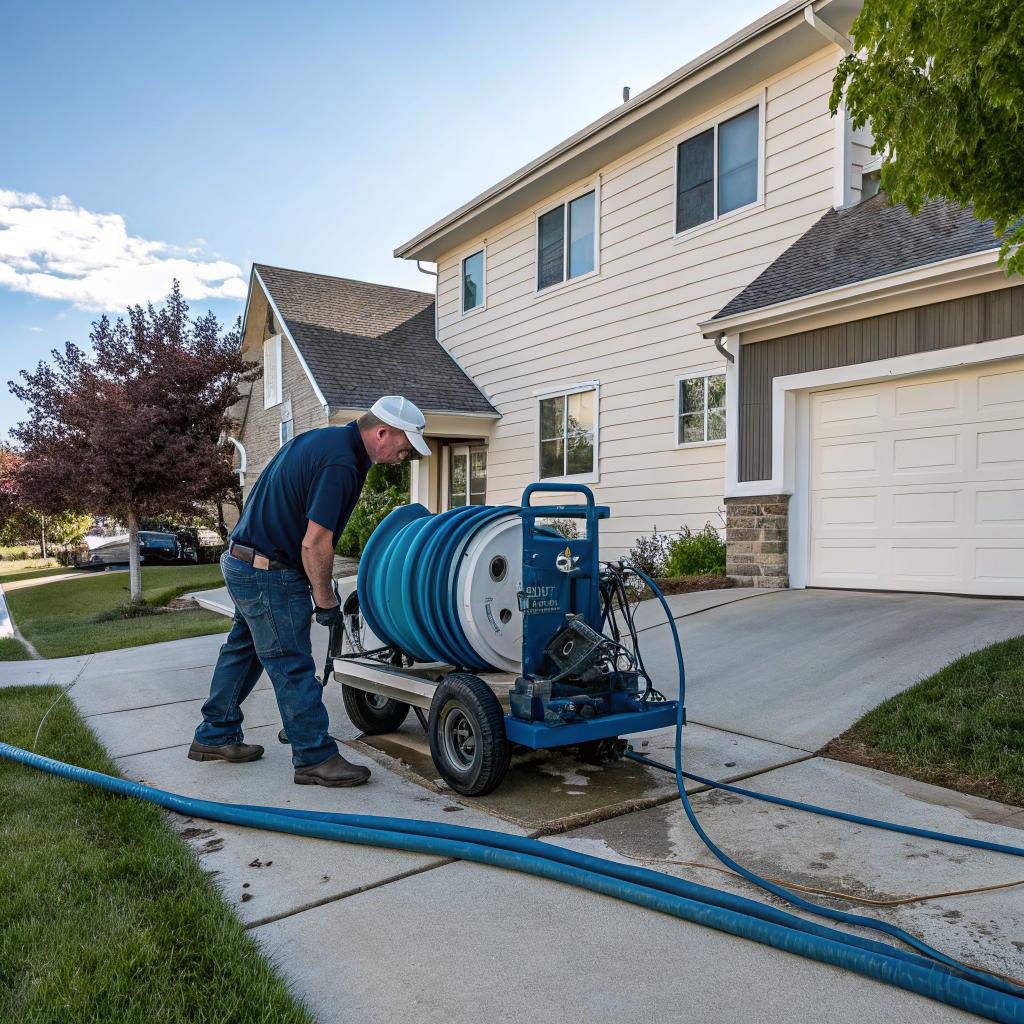
Emergency jetting sounds dramatic, but the idea is simple. A plumber feeds a hose into your drain line. The hose has a nozzle at the end with several tiny openings. High-pressure water shoots out, cutting through grease, sludge, small roots, and pretty much anything that is not solid metal, rock, or collapsed pipe.
The “emergency” part is not a different tool. It is the response time and the fact that your system is already in trouble when they arrive.
Most homeowners mix this up with snaking. A basic way to think about it:
| Method | How it works | Best for | Limits |
|---|---|---|---|
| Drain snake / auger | Metal cable scrapes or punches a hole in the clog | Small, soft clogs close to a drain | Often leaves buildup on pipe walls |
| Hydro jetting | High-pressure water blasts the full pipe diameter | Heavy buildup, long lines, roots, repeat clogs | Needs a pro and enough access to the line |
People sometimes ask whether jetting is “too strong” or “too much” for a simple clog. In many Arvada homes, the real problem is not a single clump of food or hair. It is 10 or 20 years of grease, soap, and scale that has slowly narrowed the pipe. By the time you see sewage in the tub, the system has been silently shrinking for years.
If your line has needed snaking more than twice in two years, you probably have a buildup problem, not a bad-luck streak.
Why Arvada drains seem to fail at the worst time
I live near a city with older homes, and I notice the same pattern you are likely seeing in Arvada:
You do fine for months or years. Maybe the kitchen sink drains a bit slow, but nothing dramatic. Then you host a holiday dinner, or you have guests in town, and suddenly every flush makes a gurgling sound.
This does not happen by chance. A few factors pile up:
Age and material of your sewer line
A lot of Arvada neighborhoods have:
– Clay or cast iron sewer lines in older areas
– PVC and ABS in newer builds
Clay joints can admit tiny roots. Cast iron can rust from the inside and collect scale. PVC resists corrosion, but the joints can still shift, and grease does not care what material it clings to.
The pipe does not fail overnight. It slowly gathers rough spots and blockage. You feel it only when usage spikes.
Soil and seasonal effects
You do not need to be a plumber to see that Arvada winters and dry spells are tough on the ground. Soil can move. Roots will chase water. Over time, this little movement can introduce small offsets in your line, or tiny cracks that feed tree roots.
Jetting will not fix a broken pipe, but it will often reveal the underlying problem clearly. Think of it as cleaning the whiteboard so you can finally see the crack in the wall behind it.
Habits that quietly stack risk
Most people do at least one of these, even if they know better:
– Running very hot water and pouring fats down the sink
– Flushing wipes that say “flushable” on the package
– Letting hair collect in shower drains because everyone is late for work
One day of this is nothing. Five years is a problem. When the clog reaches a tipping point, everything fails at once.
When emergency jetting is the right move
You do not need a plumber for every slow drain. That would be excessive and expensive. But there are clear red flags where waiting or trying DIY tricks can make the situation worse.
Signs you need immediate help
Here are a few where I would not hesitate to call:
- Water backing up in a tub or shower when you flush a toilet
- Multiple drains in different rooms running slow at the same time
- Foul sewer odor in the basement or near floor drains
- Gurgling from a sink or tub when another fixture drains
- Wastewater on the floor near a floor drain or laundry drain
Once you see cross-connection issues, like a toilet causing a backup in a tub, you are very likely dealing with a main line issue, not just a sink trap. That is when jetting often makes sense.
If more than one fixture is in trouble, assume the main line needs attention, not just a local fix.
When a simple snake might be enough
It is fair to ask if jetting is overkill in some cases. Here are situations where a plumber might reasonably suggest a lighter touch first:
– One bathroom sink that suddenly stopped, but everything else is fine
– A kitchen sink with a known food-related clog, no history of slow drains
– A tub where you can clearly see and pull out a clump of hair at the surface
It is not wrong to start small. Where people get stuck is repeating small fixes for a big problem. If the same sink or the same main keeps failing, you are just paying to punch another tiny hole in a growing wall of gunk.
The business side of emergency drain work
This might sound a bit cold, but any emergency service at home is also a business decision. You are trading money and time today for less risk later. The same logic you might use to judge a vendor or a partnership at work applies here too.
Cost vs risk: what you are actually paying for
You are not just paying for someone to pull up in a van and spray water. You are paying to reduce three types of risk:
| Risk type | Example | How jetting helps |
|---|---|---|
| Health | Sewage backing up near kids, pets, or food | Removes active waste and restores basic sanitation |
| Property | Water damage to floors, walls, belongings | Stops new backups so you can dry and repair |
| Future cost | Needing repeated snaking, then a major dig-up | Clears the line fully and reveals real pipe condition |
From what I have seen, the frustration usually comes when people pay emergency rates but feel they got only a short-term bandage. That is often a communication issue, not pure bad service.
Questions to ask your plumber before they start
These are not trick questions. They help both sides:
- “Do you think this is a one-time clog or a long term buildup problem?”
- “Are my pipes a good candidate for jetting, or are they too old or fragile?”
- “Will you run a camera before or after so I can see the inside of the line?”
- “If this were your own house, would you just jet it, or would you also plan a repair?”
- “If you jet today and it clogs again soon, what is the next step?”
If they cannot answer these in plain language, that is a signal. You do not need technical jargon. You need clarity.
Ask for a simple plan: stabilize today, then outline what you might need in the next 6–12 months if problems return.
How emergency jetting actually works, step by step
Most people never see the full process. You call, someone arrives, there is some noise, and hopefully the toilet works again. But it helps to know what is happening inside your walls and underground.
1. Assessment and access
The technician will first ask about symptoms:
– Which fixtures are affected
– When it started
– Any history of sewer issues
Then they will look for cleanouts. These are capped access points on the main line, often:
– Outside near the foundation
– In a basement or crawlspace
– Near bathrooms or utility rooms
Good access means a better jetting job. If no cleanout exists, they might need to remove a toilet or work through another opening, which can limit angles and reach.
2. Choosing the right nozzle and pressure
Not all jetting is the same. There are nozzles that:
– Focus more water forward to cut through tough clogs
– Focus more backward to pull the hose along and wash pipe walls
– Balance both for general cleaning
Older or brittle lines need lower pressure and more patience. Newer, solid pipes can handle more force. This is where experience matters. The tool is strong, and judgment keeps it safe.
3. The jetting pass
The hose is fed into the line while the jetter runs. The tech moves at a controlled pace. Too fast and you only punch tunnels. Too slow and you waste time.
On a realistic job, they may go back and forth a few times, not just one pass. The goal is to restore as much of the original inner pipe diameter as possible, not just clear a path for today.
4. Camera inspection, if done correctly
A camera is not always used, but on serious clogs it is very helpful. What it can show:
– Offset joints or sagging spots where waste collects
– Roots entering at joints or cracks
– Grease “bellies” where buildup loves to return
– Full-on collapse or broken segments
Once you see the inside of your own line, the decision about future work feels less abstract. You are not guessing. You are reacting to actual images.
Jetting vs chemical drain cleaners
It is tempting to reach for a bottle of something strong from the hardware store before calling anyone. I get that. But comparing liquid cleaners to jetting is a bit like comparing spraying perfume to showering.
What chemical cleaners do well
They can:
– Help with small, soft clogs near a drain
– Clear hair or soap film in a localized spot
– Buy you time for non-critical slow drains
They are not useless. They just have a narrow role.
Where they fall short
They do not:
– Reach deep clogs in the main line
– Remove roots or heavy grease
– Give you any insight into pipe condition
There is also the safety side. Harsh chemicals sitting in your pipes, then getting jetted later, can create splashing risk for anyone working on the line. Many plumbers are pretty blunt about disliking them for that reason.
If you are already seeing sewage or multiple fixtures backing up, you are past the point where a bottle will solve it.
Balancing short term fixes with long term reliability
If you are a business-minded reader, this is where the whole topic starts to sound familiar. It is like IT maintenance or vehicle fleets. You can patch things often, or you can invest in deeper work and reduce the number of emergencies.
Using jetting as part of a maintenance plan
In some homes, jetting is a reaction. In others, it is a planned event.
For example:
– A home with big shade trees and clay sewer lines might schedule jetting once a year to keep roots and sludge from reaching crisis level.
– A rental property owner with frequent tenant changes might schedule cleanings on a set cycle to avoid emergency calls at awkward hours.
Here is a simple way to think about it:
| Approach | Pros | Tradeoffs |
|---|---|---|
| Only call in emergencies | Less spending in quiet years, no scheduled disruptions | Higher stress, higher risk of damage, no control over timing |
| Planned jetting and inspections | Fewer surprises, better knowledge of pipe condition | Regular cost, needs some planning and discipline |
There is no single right choice. But ignoring repeated signs and hoping for the best is rarely the smartest option.
When jetting is not enough anymore
Sometimes the camera will show a sagging section, broken joint, or severe corrosion. In that case, you can jet it, and it might work for a while, but the structure is still failing.
At that point, a good plumber should talk to you about repair or replacement options instead of selling you jetting every few months. Yes, those conversations are expensive and awkward. They are still better than waking up to sewage in a finished basement.
How to judge whether you can trust an emergency plumber
When you are tired, stressed, and worried about damage, it is easy to say yes to the first company that answers. There is some risk there.
Red flags in the first phone call
Watch for:
- Refusal to give any kind of price range, even a wide one
- Heavy pressure to sign up for big repairs before they have even seen the line
- Vague language about “special solutions” but no clear explanation
I am not saying they need to quote a fixed price without seeing the job. That would be unrealistic. But they should be able to say something like, “Our emergency visit fee is X, typical jetting jobs fall between Y and Z in most homes, and we will talk it through before you approve anything.”
Green flags when they are on site
Encouraging signs include:
- They explain what they see in simple terms, not just jargon
- They show you the camera footage or photos instead of only describing it
- They offer more than one option when it makes sense: “We can jet today and watch it, or we can also plan a repair.”
- They answer basic questions without getting defensive
You are not searching for a superhero. You are looking for a clear, calm professional who treats your house like they would treat their own.
How this connects to personal and business growth
It might feel strange to talk about clogs and sewer lines in the same space where you think about career and life growth. But the connection is closer than it looks.
Dealing with problems early vs waiting for crisis
In business, you know this pattern:
– Small risks ignored turn into big ones
– Hidden problems emerge at the worst time
– The fix is almost always more expensive after a failure
Your drain system is just a physical version of that. Regular small checks, honest feedback, and targeted work can prevent dramatic crises. It sounds boring, and maybe that is the point. Calm, boring maintenance supports interesting, ambitious parts of your life.
Learning to ask better questions under pressure
Emergencies test your decision habits. When your floor is wet and someone is talking fast, it is easy to panic. Practicing a few clear questions helps. It also carries over into other parts of life: doctor visits, financial decisions, negotiations.
If you can calmly ask, “What are my top 2 options, what do they cost now, and what happens if I wait?” while your drains are failing, you are building a skill that will help far beyond plumbing.
Common questions Arvada homeowners ask about emergency drain jetting
Q: Can jetting damage my pipes?
A: It can, if used carelessly on fragile or already broken lines. On healthy PVC or cast iron, done by a trained tech, the risk is low. The pressure and nozzle are chosen based on your line material and condition. This is one more reason a quick camera check, even short, can be helpful.
Q: How long should a good jetting job last?
A: If the pipe itself is in decent shape and your habits are reasonable, many people go years without another major clog. If roots are present or the line is sagging, it might be shorter. Think of jetting as clearing the symptom; the underlying structure still matters.
Q: Is emergency service always more expensive?
A: Usually, yes. You are paying for priority scheduling at odd hours and the cost of keeping crews ready. If you can safely delay to normal business hours, you may save some money. If sewage is on the floor or multiple fixtures are out, waiting often costs more in damage than you save in fees.
Q: Should I schedule preventive jetting even if I have no problems?
A: That depends on your house age, line material, and tree situation. If you have a newer PVC line, no big trees nearby, and no history of problems, routine jetting might not be needed. If you have older clay, big trees, and a few past clogs, a planned cleaning every year or two can be a smart tradeoff.
Q: What should I do right now if I suspect a main line clog?
A: Here is a simple checklist:
- Stop running water: pause washers, dishwashers, showers
- Avoid flushing toilets repeatedly if they are slow
- Look for a cleanout outside or in the basement, but do not remove caps if sewage is already at the top
- Call a local plumber that handles emergency drain jetting and describe exactly which fixtures are affected
You do not need to fix anything yourself. Your goal is to avoid making it worse before help arrives.
If you handle this one emergency with a clearer head, a few good questions, and a bit more understanding of what is happening in your pipes, will you handle the next unpleasant surprise in life any differently?