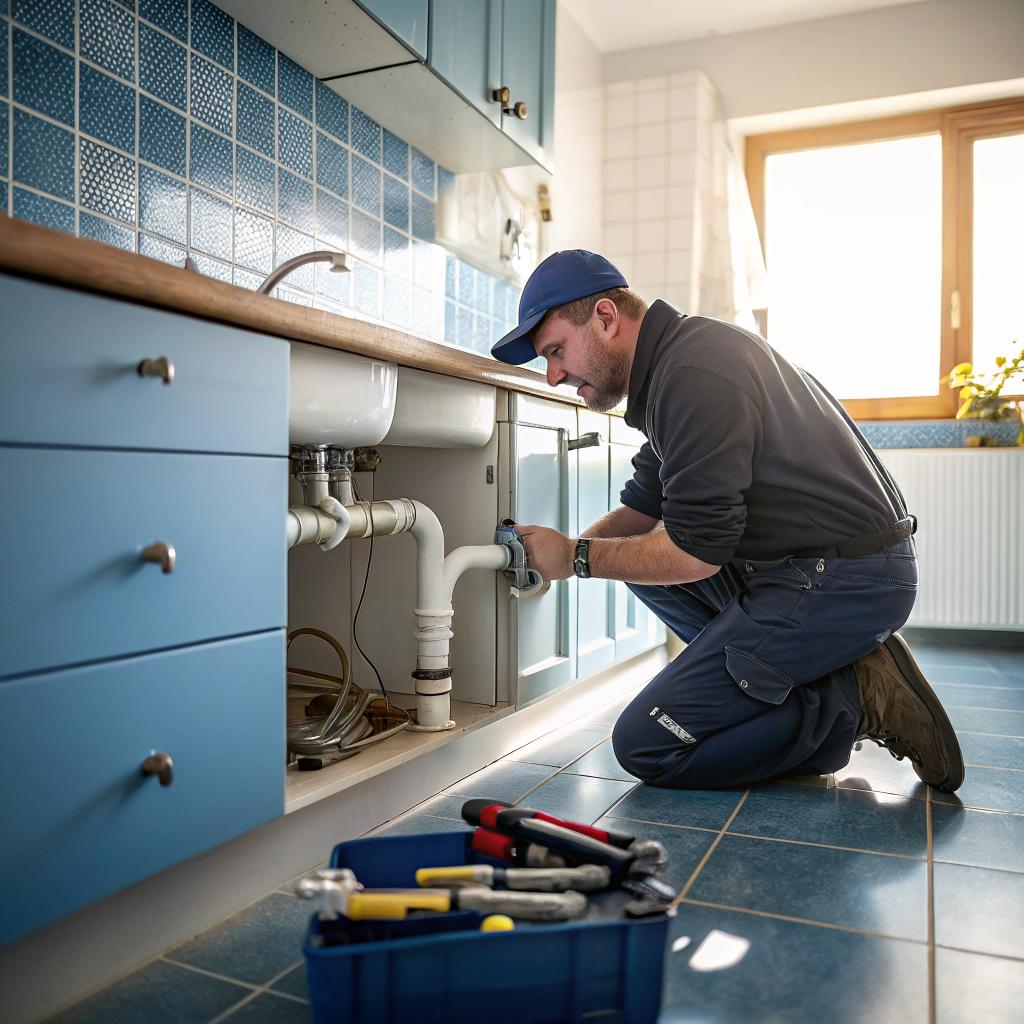
| Leak Type | Fix Speed | DIY or Pro? | Risk Level |
|---|---|---|---|
| Dripping faucet | 15 to 45 minutes | Often DIY | Low |
| Running toilet | 30 to 60 minutes | Often DIY | Low to medium (water waste) |
| Visible under-sink leak | 30 to 90 minutes | DIY or pro | Medium (cabinet damage, mold) |
| Wall or ceiling leak | Same-day visit recommended | Pro | High (structural damage, mold) |
| Slab / underground leak | Diagnosis in few hours, repairs vary | Pro only | High (foundation, high bills) |
If you just want the short answer: fast leak repairs in the San Fernando Valley come down to three things. First, stop the water now, usually at the main shutoff. Second, decide honestly if you are handling a simple fixture repair or something inside walls or underground. Third, if it is more than a simple cartridge, flapper, or loose connection, call a local plumber San Fernando who offers same-day leak service and actually answers the phone. Everything else is detail, but these three steps are what protect your home, your cash flow, and your time.
I know that sounds almost too simple. But leaks are one of those problems where people tend to freeze, overthink, or scroll through 20 tabs looking for the “perfect” fix while water is quietly soaking into drywall. The goal of this guide is not just to talk about pipes. It is to give you a clear mental model you can reuse: see the leak, classify it fast, act decisively, and protect both your house and your schedule so you can get back to your actual life and business goals.
Why fast leak repairs matter for your life and business
If you care about business and growth, plumbing leaks may feel like a small topic. A boring one, even. But they connect directly to how you manage risk, attention, and cash.
Here is what I mean.
A leak that runs for a week is not just a few extra dollars on the water bill. It can turn into:
– Warped floors
– Swollen cabinets
– Stained ceilings
– Hidden mold
– Insurance claims and higher premiums
– Days of disruption while repairs happen
All of that starts from a slow drip you told yourself you would “get to later.”
Fast leak repair is less about plumbing and more about protecting your focus so you can stay on work, family, and growth instead of chasing avoidable damage.
Most people underestimate two things:
1. How quickly water spreads sideways and downward
2. How much time and money it takes to fix damaged surfaces compared to tightening or replacing a small part
You might think, “I will wait until the weekend” or “It is just a small drip.” That is often the wrong move. In the Valley, with our dry air and high temps, water can evaporate from surfaces, but it can also get pulled deep into framing and subfloor where you do not see it. Fast action here is a lot like dealing with a small problem in a business process. Early action is quiet and cheap. Late action is loud and expensive.
Step 1: Learn to classify leaks in under 60 seconds
If you do nothing else with this guide, try to remember this quick way to sort leaks. It makes decisions much easier.
Category A: Visible, localized leaks
These are leaks you can see clearly and reach without opening walls.
Typical examples:
– Dripping faucet
– Slow drip from a P-trap under the sink
– Small leak at a shutoff valve under a toilet or sink
– Flexible supply line with a visible drip
– Shower that keeps dripping after you close the handle
For these, you can usually say:
– The water source is obvious
– The leak point is in sight
– The damage area is still small
Some of these are realistic DIY jobs. Some are quick pro jobs that do not need a major visit. The key is to not let them turn into Category B or C.
Category B: Hidden or spreading leaks
Here is where things get serious.
Signs:
– Wet or soft spots on walls or ceilings
– Bubbling or peeled paint
– Warm or cold patches on the floor
– Persistent musty smell in one area
– Water stains that keep growing
You may not see water actually dripping, but you see the effect. This often means the leak is inside a wall, ceiling, or floor. That means higher risk, because water is working where you do not see it.
If you see a new stain or soft spot and you cannot find the leak source in 5 minutes, treat it as a hidden leak and bring in a pro quickly.
Waiting to be “100 percent sure” can be very expensive here.
Category C: Structural or system leaks
These are the ones that can mess with foundations, main lines, or whole sections of the house.
Signs:
– Sudden spike in water bill without a clear reason
– Constant sound of water running when all fixtures are off
– Wet soil or puddles near the foundation when it has not rained
– Cracks in walls or slabs that seem new or worse
– Multiple fixtures acting strange at the same time
These usually involve:
– Slab leaks under concrete
– Main water line leaks in the yard
– Large leaks in hidden branches of the system
This level is not for trial and error. You need leak detection and someone who has handled these before.
Step 2: Immediate actions when you spot a leak
Now to the practical side. Here is the sequence I would follow in almost any leak situation at home or in a small office.
1. Decide if you need to shut off the main water
Ask one quick question:
“Is water still flowing actively right now, and can I stop it easily at the fixture?”
If the answer is no, or if the leak is strong, do not overthink. Go to the main shutoff.
Typical places for the main shutoff in San Fernando Valley homes:
– At the front of the house near a hose bib or spigot
– In a ground box near the street
– On a wall facing the street, usually near where the water line comes in
Turn the handle clockwise until it stops. If you have a ball valve with a lever, move it so it is perpendicular to the pipe.
Will this interrupt everything? Yes. But it also buys you time and protects the building.
2. Contain water spread fast
Once the flow is controlled or at least slowed:
– Put down towels, rags, or old blankets around the leak
– Position a bucket or container where possible
– Move anything sensitive out of the area, like electronics or paper files
– For ceiling leaks, you can gently poke a small drain hole in the lowest sagging part of the wet ceiling and place a bucket under it. This sounds scary, but it can stop water from spreading across the whole area. Just accept that you will need drywall repair later.
This is like firefighting in a small way. You are buying time.
3. Capture quick documentation
Before everything dries, take a few photos and short videos:
– Where the leak is
– Overall room context
– Any visible damage
You may never need them. Or they might help with insurance or with explaining the issue to a contractor. It takes 2 minutes and costs nothing.
Step 3: Decide when DIY makes sense and when it does not
This is the point where many people try to “save money” and end up wasting both money and time.
From a growth mindset angle, think of your leak decision like allocating your best resource: your attention.
Use DIY for low-risk, repeatable fixes. Use a pro when the damage from a mistake is bigger than the amount you save.
Here is a simple table to help you think about it.
| Situation | DIY OK? | Why / Why not |
|---|---|---|
| Replacing a faucet aerator or washer | Usually yes | Low risk, cheap parts, easy YouTube guidance |
| Changing toilet flapper or fill valve | Usually yes | Contained in tank, water is clean, parts are standard |
| Tightening slip nuts on P-trap under sink | Often yes | You can see exactly what you are doing, low pressure |
| Persistent drip inside wall or ceiling | No | Hidden damage risk, cutting and repairing surfaces |
| Slab leak or suspected main line leak | No | Needs detection, pressure testing, specialized tools |
| Multiple fixtures having pressure or temperature changes | No | Can signal bigger system issues |
If you still feel torn, ask yourself:
– How much will it cost if I get this wrong and cause more damage?
– Would I rather spend 2 hours learning this, or pay someone and use those 2 hours on higher-value work or rest?
Sometimes the “expensive” plumber is actually the cheaper option when you look at your hourly rate and the risk.
Fast fixes for the most common leaks in San Fernando Valley homes
Now let us look at the leaks that show up most often and how fast they can be handled if you approach them right.
1. Dripping faucets
Dripping faucets are boring and easy to ignore. They are also one of the most common water wasters.
Causes:
– Worn-out cartridge in single-handle faucets
– Worn washers or O-rings in older compression faucets
– Mineral buildup on internal parts from Valley water
Basic approach:
1. Turn off the shutoff valves under the sink or at the fixture.
2. Plug the sink drain so you do not lose any small parts.
3. Disassemble the handle according to the faucet type.
4. Swap the cartridge or internal pieces with a matching replacement.
5. Reassemble and test.
If this sounds slightly annoying, that is because it can be. The part that trips people up is getting the right replacement. You either:
– Take your old cartridge or stem to a hardware store
– Look up the model and order the part
A pro plumber will usually identify it instantly and have a stock of common parts.
For a business mindset, a dripping faucet is like a slow recurring subscription fee you forgot about. It feels small, but it stacks over time.
2. Running toilets
A toilet that keeps refilling is often simple to fix and costs much less than the water waste over months.
Common reasons:
– Worn flapper that no longer seals well
– Fill valve not shutting off properly
– Float level set too high, so water flows into overflow tube
Typical repair path:
– Turn off the angle stop under the toilet.
– Flush to empty most of the tank.
– Inspect the flapper. If it is warped, brittle, or does not sit flat, replace it.
– If the problem continues, replace the fill valve as a unit.
Parts are usually inexpensive, and you can do this with basic tools. If the toilet itself is older and has multiple issues, sometimes it is smarter to replace the whole toilet and clean up the hidden leaks and inefficiencies in one go.
3. Under-sink leaks from P-traps or supply lines
Under the sink is where many leaks start quietly.
Common leak points:
– Slip joint nuts on the P-trap
– The trap itself, if it has corrosion or cracks
– Flexible hot and cold supply lines to the faucet
– Shutoff valves that drip at the stem or at the compression fitting
Approach:
– Dry everything with paper towels.
– Place a dry tissue or paper towel around suspicious joints.
– Run water and watch for wet spots.
If the leak is from a slip joint:
– Try gently tightening the nut by hand, then with a small adjustment using pliers.
– If that fails, you might need a new washer or a new section of pipe.
If the leak is from a braided supply line:
– Shut off the valve.
– Replace the line with the same length and connection type.
If the leak is at the shutoff valve itself, consider replacing the valve. That might be where you bring in a plumber if you are not comfortable dealing with the connection to the wall pipe.
4. Shower and tub leaks
These get tricky because water can go in many directions.
Types:
– Dripping tub spout or shower head
– Leaks at the shower valve inside the wall
– Leaks around tile grout and caulk lines
A dripping shower head often points to worn internal parts at the valve, not the head itself. Changing the cartridge can solve it.
Water on the floor outside the shower can be from:
– Failed caulk at the base
– Gaps in grout letting water soak through
– Door sweeps or seals that are no longer working
If you see ceiling stains below a tub or shower, you might be dealing with:
– A leaking drain connection
– A cracked tub
– A failed shower pan
At that point you are in hidden leak territory, and quick professional inspection is smart.
5. Slab and main line leaks
This is where many homeowners in the Valley feel overwhelmed. A slab leak sounds like a worst-case scenario, and sometimes it is. But not always.
Symptoms:
– Warm spots on parts of the floor, especially with hot water leaks
– Constant water meter movement even when all water is off
– Higher bill with no obvious fixture leaks
– Sound of water under floors
A typical professional process:
– Shut off all fixtures and test the system at the meter.
– Use acoustic tools to listen along floors and walls.
– Use pressure tests to isolate hot vs cold lines.
– Mark the suspected leak area.
Repairs can go a few ways:
– Direct access: open the slab above the leak and repair the pipe.
– Reroute: cap the leaking line segment and run new piping through walls or the attic, avoiding the slab altogether.
– Full repipe: if the system is old and brittle, sometimes it is smarter to repipe instead of chasing leaks one by one.
From a long-term thinking angle, spending more once on a stable reroute or repipe can be better than patching leaks every year.
Building a fast-response leak plan for your property
Most people wait for problems, then hurry to respond. A small amount of planning makes leak response almost boring.
Here is where I might disagree with some common advice. Many checklists push you to do long, detailed maintenance logs. That is great for large buildings, but for a single house or a small office, I think it is overkill and you will probably not keep it up.
Focus on a simple, realistic setup instead.
1. Know your shutoffs
Take 15 minutes and actually walk around your place and find:
– Main water shutoff
– Individual shutoffs for toilets, sinks, washing machine
If you cannot turn a valve by hand, it may be stuck or partially seized. That is something to schedule before you have an emergency.
2. Keep a small leak kit
Not a full workshop. Just a simple box in a closet or garage with:
- Adjustable wrench
- Channel-lock pliers
- Flashlight or headlamp
- Roll of Teflon tape
- Couple of rags and a small towel
- Gloves
If you want to go a bit further, include:
- Spare toilet flapper
- Spare braided supply line
- Bucket that nests into the box
This little setup helps you act fast instead of searching drawers for tools while water is running.
3. Have one trusted local plumber in your contacts
Do not wait for the emergency to search for “plumber near me” along with panic and urgency. That is when you are least able to filter well.
Instead:
– Ask friends or neighbors who they actually used and would call again
– Check response times and whether they handle emergency leaks
– Save one or two numbers in your phone under something obvious like “Plumber – Emergency”
You can think of this like having a good CPA or attorney ready before you need them. It removes stress when something goes wrong.
Balancing speed, quality, and cost in leak repairs
There is often tension between “fix it fast” and “fix it right.” People either:
– Spend weeks getting multiple quotes while damage spreads
– Say yes to the very first offer without understanding what they are paying for
You do not have to choose between chaos and paralysis. A middle ground is possible.
Know what questions to ask
When you talk to a plumber about a leak, simple questions help you feel more in control:
– What do you think is the most likely source of the leak?
– What is the fastest safe way to stop damage right now?
– Are there short-term and long-term repair options, and what is the difference in cost?
– What could make this job take longer or cost more?
If the answers are clear and patient, that is a good sign. If they are vague or rushed, be cautious.
Understand short-term vs long-term fixes
Sometimes a quick patch is okay. For example:
– You are a tenant and cannot authorize major work
– You need to buy time until a bigger remodel
– The leak is minor and the building parts are still in good shape
But sometimes a patch is just punting the problem to your future self.
If the same fixture or line has leaked more than once, stop thinking in patches and start thinking in replacements.
Your future self has better uses for time and attention.
How leak habits reflect your growth mindset
This may sound a bit philosophical for a plumbing guide, but how you treat leaks is often similar to how you treat small issues in your work and life.
Some patterns:
– Ignoring small drips mirrors ignoring minor financial leaks in budgets.
– Overreacting to every tiny drip can mirror micromanagement.
The healthy approach sits between those:
– You notice small problems early.
– You act proportionally fast, without panic.
– You accept that some risk is normal, but repeated issues signal a deeper fix is needed.
That habit builds resilience. It is one of those unglamorous skills that keeps your life stable during growth.
Preventing leaks before they mess with your schedule
No one can prevent every leak. But you can reduce your odds and the impact.
1. Respect age and material of your plumbing
Many San Fernando Valley homes have older lines, some with materials that are near the end of their practical life. If your property is several decades old and has never had a major update, assume some parts are fragile.
Smart moves:
– If you remodel a bathroom or kitchen, consider updating the plumbing behind the walls at the same time.
– Replace old flexible supply lines with new braided ones.
– Consider pressure regulation if your water pressure is high, since that accelerates wear.
2. Watch your water bill like a monthly health check
Your water bill can be a simple leak detector.
Look for:
– Sudden jumps in usage with no lifestyle change
– Gradual steady increase over months
Treat that as a signal to do a quick check:
– Walk the property and look for wet spots
– Listen for constant running water
– Check toilets and under sinks
It takes 10 minutes and might save you thousands.
3. Maintain a basic inspection routine
Again, I do not think you need a massive checklist. But once every few months, take a slow walk and look at:
- Under every sink
- Around toilets
- Behind washing machine
- Near water heater
- Ceilings under bathrooms
Look for moisture, stains, rust, or mineral buildup. These are often early hints.
For business owners: leaks at the office or rental property
If you own or manage property, leaks become a business issue too.
Some practical points:
– Document everything, including tenant reports, photos, and timelines. This can matter for liability.
– Respond to water leaks faster than almost any other maintenance request, because of the compounding damage.
– Build a relationship with a local plumber who understands your building and can respond quickly.
A leak that shuts down one room for a day is a nuisance. A leak that shuts down a treatment room, a sales floor, or a critical office for a week can throw off revenue and customer experience.
Treat your plumbing system like part of your operations, not an afterthought.
Questions people often ask about fast leak repairs
How fast should I call a plumber after I find a leak?
If water is active and you cannot control it at the fixture or with the main shutoff, call right away. As in, while you are still drying things. For slow drips you have contained, calling within a day or two is usually fine, but do not push it much beyond that.
Is it ever okay to just shut off a fixture and ignore the problem?
Sometimes. For example, if a guest bathroom faucet drips and you close the shutoff valves, you have removed the immediate risk. But if you leave it for months, you lose use of that space and risk forgetting about it completely. I would treat shutoff as a short pause, not a final solution.
Can I rely on my insurance for big leak damage?
Insurance can help with sudden and accidental water damage. But many policies exclude damage from long-term neglect or slow leaks that went unaddressed. Also, insurance may cover the damage but not always the cost to fix the pipe itself. Relying too much on insurance can be a trap.
What if a plumber suggests a big repair that feels excessive?
It is fair to feel cautious. You can:
– Ask clearly why they recommend that level of work
– Ask what happens if you only do the minimum
– Get a second opinion if the cost or scope feels far beyond your expectations
At the same time, be honest with yourself. If your system is very old, constant patching may actually cost more across a few years than one solid upgrade.
How do I know if a leak is really “fixed” and not just masked?
Signs of a good fix:
– No moisture or staining returns after a few days of normal use
– Water meter readings stabilize
– No new noises from pipes
If you feel uneasy, keep a simple check schedule for a couple of weeks: look at the once-leaking area every few days. A small time investment, but good peace of mind.
What is the best first step I can take today, before any leak happens?
Very simple: find your main shutoff, test it gently, and show at least one other person in your home or office where it is and how to use it. That one small action makes every future leak easier to handle.
And maybe a quieter question for yourself: when the next small leak shows up, will you treat it as an interruption, or as a chance to practice better decisions about time, risk, and attention?